
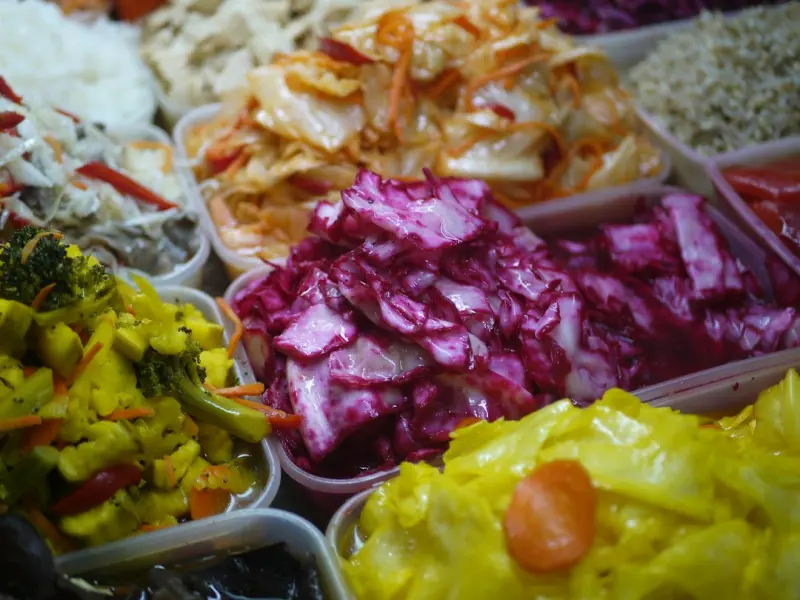
Why Fermentation Deserves a Spot on Your Desk‑Side Plate
When I first heard the term “fermentation,” I imagined a dusty laboratory and a handful of scientists coaxing flavors out of cabbage. Fast forward a few years, and I’m the guy who keeps a jar of kimchi on my desk for the same reason I keep a notebook—so I can pull out something that does more than fill a hunger gap. In the hustle‑driven environment we all live in, fermented foods have emerged as a surprisingly practical tool for boosting immunity, stabilizing mood, and sharpening mental clarity without demanding a major overhaul of our already packed schedules.
The Science That Doesn’t Need a PhD to Grasp
Fermentation is essentially nature’s way of preserving food while simultaneously cultivating a community of beneficial microbes. These microbes—primarily strains of Lactobacillus and Bifidobacterium—take sugars and convert them into acids, gases, or alcohol, creating that distinctive tangy flavor we love in sauerkraut, kombucha, and miso. The real magic happens in the gut: the same microbes that give fermented foods their zing also populate our intestines, where they compete with harmful bacteria, produce short‑chain fatty acids, and communicate with the brain through the gut‑brain axis.
- Immune modulation: Roughly 70% of the immune system resides in the gut. By feeding friendly bacteria, we indirectly train immune cells to respond appropriately to real threats.
- Neurotransmitter production: Certain strains synthesize gamma‑aminobutyric acid (GABA) and serotonin precursors, which can help smooth out the anxiety spikes that come with back‑to‑back meetings.
- Metabolic balance: Fermented foods often have a lower glycemic impact than their fresh counterparts, helping maintain steadier blood sugar levels throughout a hectic day.
From Theory to Desk: Practical Fermented Food Hacks
Integrating fermented foods into a high‑velocity workday doesn’t have to feel like adding a new project to your to‑do list. Below are three low‑effort strategies that have worked for me and many of my colleagues:
1. The “Kick‑Start” Jar
Allocate a small, sealable container (think 250 ml) for a daily dose of fermented veggies or a splash of fermented dairy. A spoonful of kimchi or a quick swirl of kefir can become your pre‑meeting ritual, delivering a probiotic boost just before you step into a high‑stakes call.
2. Fermented “Smoothie” Add‑Ins
Blend a quarter‑cup of kefir or a tablespoon of fermented beet kvass into your morning protein shake. The tangy flavor masks the sour note while loading your drink with live cultures. It’s a subtle way to combine the benefits of protein and probiotics without sacrificing taste.
3. “Ferment‑First” Lunch Swaps
Replace the typical sandwich filler with a fermented spread. A thin layer of miso‑infused avocado, or a dollop of fermented salsa on a grain bowl, can transform a bland meal into a gut‑friendly power lunch.
Choosing the Right Fermented Foods for Your Lifestyle
Not all fermented foods are created equal, and the best choice often depends on your palate, dietary restrictions, and the amount of time you can devote to preparation. Here’s a quick guide:
| Food | Key Benefits | Prep Time |
|---|---|---|
| Kimchi | Rich in vitamins A, C, and K; high probiotic density | Ready‑to‑eat (store‑bought) or 2‑3 days for homemade |
| Kefir | Contains up to 30 strains; excellent source of calcium and protein | Ready‑to‑drink; fermentation 12‑24 h if homemade |
| Miso | High in antioxidants; adds umami depth | Ready‑to‑use; can be whisked into soups in seconds |
| Tempeh | Fermented soy; complete protein source | Cooked in 5‑10 min; slice and pan‑fry |
| Kombucha | Low‑calorie; contains B‑vitamins | Ready‑to‑drink; monitor sugar if store‑bought |
Addressing the Common Concerns
Some colleagues shy away from fermented foods because of the “smell factor,” potential histamine reactions, or the misconception that they’re only for culinary enthusiasts. Here’s how I’ve tackled each of these objections:
- Odor: Opt for milder options like kefir or lightly fermented pickles. If you’re a fan of stronger aromas, keep the jar in a fridge drawer rather than on your desk.
- Histamines: Start with small servings and monitor how you feel. Certain strains, such as Lactobacillus plantarum, tend to be lower in histamine production.
- Complexity: You don’t have to become a master fermenter. High‑quality store‑bought options now meet the same microbial standards as many home‑crafted versions.
Pairing Fermentation with Other High‑Performance Habits
Fermentation shines brightest when it complements other habits designed to keep you at peak performance. For example, you might already be practicing tiny movement breaks throughout the day. Pair those micro‑movements with a probiotic snack, and you create a feedback loop where physical activity promotes better digestion, and a healthier gut fuels more consistent energy for those bursts of activity.
Similarly, many of us are trying to optimize our snack choices. Instead of reaching for a granola bar, consider a spoonful of fermented carrot sticks. The combination of fiber and live cultures not only satisfies cravings but also steadies blood sugar, preventing the dreaded mid‑afternoon slump.
Building a Fermentation‑Friendly Kitchen on a Budget
One myth that keeps professionals from trying fermentation is the perceived cost. In reality, a small investment in a few basic tools can unlock a world of nutritious options:
- Glass Jars: Reuse mason jars from previous preserves; they’re airtight and inexpensive.
- Weights & Lids: Simple food‑grade weights keep vegetables submerged, while breathable lids (or cloth with rubber bands) allow gases to escape safely.
- Starter Cultures: Many fermented foods can be jump‑started with store‑bought versions. A spoonful of kimchi from the grocery aisle can seed a new batch.
- Labeling System: Use a marker to note the start date and expected fermentation time—this prevents over‑fermentation and keeps you organized.
With these basics, you can create a rotating supply of fermented vegetables, dairy, and legumes that last weeks, sometimes months, in the fridge.
Measuring the Impact: Simple Self‑Tracking Tips
While the gut microbiome is complex, you can track a few tangible metrics to gauge how fermentation is affecting you:
- Energy Levels: Note any changes in afternoon fatigue after introducing a probiotic snack.
- Mood Swings: Keep a brief journal of stress levels; improvements often surface within a week of consistent intake.
- Digestive Comfort: Record any reduction in bloating or irregularity—these are early signs of a balanced microbiome.
Even a modest increase in probiotic consumption can shift the microbial landscape enough to notice these benefits.
Beyond the Plate: Fermentation as a Mindful Practice
There’s an underappreciated meditative aspect to fermentation. Watching a batch of kimchi transform over days forces you to slow down, check in, and respect the natural processes that happen without a spreadsheet or a deadline. In a world where we constantly chase the next deliverable, that pause can be as valuable as any vitamin.
Wrapping Up: The Small Change That Packs a Punch
If you’ve read this far, you already understand that tiny interventions can cascade into big outcomes. Fermented foods are the culinary equivalent of a micro‑investment—low cost, minimal time, and exponential returns in health, focus, and resilience. The next time you’re planning your lunch or scouting a snack, ask yourself: What would my gut thank me for? The answer might just be a tangy spoonful of kimchi or a swig of kefir, sitting quietly beside your laptop, ready to fuel the next big idea.

Related Posts

Nourishing Narratives: How Storytelling, Seasonality, and Sensory Cooking Transform Healthy Eating
Discover how weaving stories, seasonal foraging, and mindful cooking into everyday meals can elevate... Read More

Fermentation Unleashed: Turning Everyday Produce Into Probiotic Powerhouses
Explore the science and practice of fermentation, learn easy starter recipes, and see how this ageâ€... Read More
Fermented Foods: Your Everyday Vitality Boost
Unlock the power of fermentation with everyday foods that nourish your gut, elevate energy, and prot... Read More
Top Posts

Why Multi‑Mode Adventures Are the Future of Travel
Explore the rise of hybrid travel—combining cruise ships and bus tours—for richer itineraries, hidden cost savings, and unforgettable wellness benefits....Read More

The Secret Sauce of Tiered Discounts: Turning SaaS Pricing Into a Savings Engine
Learn how tiered discounts, strategic commitments, and purpose‑driven negotiations can turn standard SaaS pricing into a powerful savings engine, complete wit...Read More

Tariff‑Driven Latency: What SaaS Leaders Need to Know
Tariffs aren’t just trade talk—they’re quietly reshaping SaaS performance. Discover how hardware costs, edge deployments, and contract clauses influence l...Read More

The Workcation Boom: How Remote Teams Are Redefining Travel
Workcations are turning traditional travel on its head, merging remote work with immersive local experiences. This article uncovers the benefits, tools, and fut...Read More
0 Comments
Post Comment
You will need to Login or Register to comment on this post!