

Why “Cost of Living” Means More Than Rent and Groceries
When most people talk about the cost of living, the conversation stalls at two familiar checkpoints: the rent check and the grocery bill. It’s a comforting binary—four walls, a fridge, and a predictable monthly out‑go. Yet, living in a hyper‑connected world has sprouted a forest of invisible expenses that quietly erode disposable income. I’ve spent the last few years juggling remote work, on‑demand services, and the ever‑present lure of the “just‑one‑more‑click” culture. What I discovered is that the real cost of living is a layered, dynamic system that sneaks up on you unless you shine a light on it.
The Home‑Office Overhead Nobody Warned Me About
When my company announced a permanent remote‑work policy, I imagined saving on commuting, coffee shop Wi‑Fi, and lunch‑out expenses. The reality? My bedroom turned into a makeshift office, and the savings evaporated in a cascade of hidden costs.
- Ergonomic Equipment: A decent chair, standing desk, and monitor arms quickly added up to a few hundred dollars. The cheap “laptop on a pillow” solution leads to back pain, which translates into medical visits and lost productivity.
- Utility Surge: Heating, cooling, and electricity usage jumped dramatically. A home office runs a computer, a router, and often an extra monitor—all of which draw power around the clock.
- Internet Upgrade: To handle video calls without the dreaded “you’re on mute” lag, I upgraded from a 50 Mbps plan to a 300 Mbps gig. That’s an extra $30–$40 per month on the bill.
These expenses don’t feel as immediate as rent, but they compound. In my first year of remote work, I logged an additional $4,800 in home‑office overhead alone. That’s a stark reminder that location independence comes with its own price tag.
Convenience Creep: The True Cost of On‑Demand Services
Ask anyone about food delivery, and they’ll say it “saves time.” Ask the same person about the price tag, and the answer often comes with a sheepish grin. The convenience of having a meal appear at your doorstep is undeniably alluring, especially after a long Zoom marathon. But each click is a micro‑investment that adds up faster than most realize.
- Delivery Fees & Tips: The average delivery fee hovers around $4‑$6 per order, plus a 15‑20% tip. Order three times a week, and you’re looking at $720–$960 annually.
- Markup on Menu Prices: Restaurants typically increase menu prices by 20%–30% for delivery orders to offset platform fees.
- Subscription Fatigue: Many platforms entice you with “free delivery” after a monthly subscription—another hidden recurring cost that may or may not be worth it, depending on your usage.
If you’re not already tracking these micro‑spends, you might be inadvertently feeding the “subscription budget” beast. In fact, I recently revisited the post Living on a Subscription Budget: How Everyday Services Shape Your Cost of Living, and it hit home: every convenience app is a tiny, recurring financial commitment that can balloon into a major budgetary leak.
The “Free” Apps That Aren’t Free Anymore
We all love a free app, whether it’s a meditation guide, a budgeting tool, or a language‑learning platform. The hidden cost? Your data. And when your data is monetized, the ripple effects land on your wallet.
Take the recent exposé on kids’ apps that harvest data without consent—Parental Warning: The Silent Data Harvest in Free Kids’ Apps—and imagine the same model applied to adult‑focused apps. Personal data becomes a commodity, and the “free” service is actually subsidized by targeted ads, upsells, and even third‑party data sales. The indirect cost manifests as higher prices for other services, more time spent navigating privacy settings, and sometimes even the need for a paid, ad‑free version to protect yourself.
Transportation: Beyond Gas and Public Transit
Most budgeting spreadsheets have a line item for “transportation,” but that line is often a simplification of a much messier reality. Let’s break it down:
- Micromobility Rentals: E‑scooters and bike‑share programs charge per minute, which can be convenient for “last‑mile” trips but add up quickly if you rely on them daily.
- Parking & Tolls: Urban dwellers often underestimate parking fees, especially when working from home and needing occasional office visits. Monthly parking can easily exceed $200.
- Insurance Premiums: A higher mileage claim or a new vehicle model can raise your insurance costs, sometimes by 10%–15% per year.
When I started tracking these sub‑categories, my transportation costs jumped from $150 to $275 per month—a 83% increase that was invisible on my previous budget.
The Psychological Toll and Its Financial Manifestation
Living with financial uncertainty triggers stress, which in turn influences spending habits. The phenomenon is known as “retail therapy”—a short‑term mood boost that often leads to longer‑term regret. Studies show that high‑stress individuals are 30% more likely to make impulse purchases, especially online.
To combat this, I’ve adopted a two‑pronged approach:
- Mindful Spending Triggers: Before any non‑essential purchase, I pause for 24 hours and ask, “Do I need this to solve a problem, or am I buying it to feel better?”
- Budget Buffers: Allocate a “stress fund” of $50–$100 each month for discretionary spending. Knowing you have a dedicated cushion reduces the urge to splurge elsewhere.
This strategy not only steadies the emotional rollercoaster but also prevents the hidden costs of debt, late fees, and credit‑score impacts.
Housing: The Ripple Effect of “Cheap” Choices
Choosing the lowest‑possible rent can seem like a win, but it often triggers a cascade of secondary costs:
- Commute Time: Longer commutes translate into higher fuel, more wear and tear, and, importantly, lost time that could be used for side gigs or personal development.
- Utility Inefficiencies: Older buildings often have outdated heating, cooling, and insulation, resulting in higher energy bills.
- Safety and Insurance: Higher crime rates in cheaper neighborhoods can raise renter’s insurance premiums and increase the likelihood of property loss.
When I weighed a $900 apartment against a $1,200 unit with newer appliances and better insulation, the higher rent actually saved me $150 per month in utility costs. Over a year, that’s a $1,800 net gain—proof that the cheapest option isn’t always the most economical.
Health & Wellness: The Subtle Expense of “Self‑Care”
Modern self‑care culture encourages yoga subscriptions, premium meal kits, and boutique fitness classes. While these can improve quality of life, they’re also potential budget busters if not monitored.
My experiment: I replaced a $150/month boutique gym membership with a combination of free online workouts and a $30‑month community center pass. The result? A $120 monthly saving without sacrificing my fitness goals. The key is to evaluate the true ROI of each wellness expense—does it deliver measurable health benefits, or is it merely a status symbol?
Strategic Ways to Reclaim Control Over Your Cost of Living
Now that we’ve uncovered the hidden layers, let’s talk tactics for turning insight into action:
- Audit Your Subscriptions Quarterly: List every recurring charge, even the $4.99 “music streaming” service you forgot about. Cancel or consolidate where possible.
- Track Micro‑Spends in Real Time: Use a budgeting app to capture every coffee, snack, or ride‑share. Seeing the numbers daily creates awareness.
- Negotiate Bills: Call your internet provider, insurance carrier, or mobile carrier and ask for a loyalty discount or a better plan. You’d be surprised how often they accommodate.
- Batch Cook & Meal Plan: Reducing reliance on delivery services can cut your food budget by 20%–30% while improving nutrition.
- Leverage Employer Perks: Many companies now offer stipends for home‑office upgrades, wellness, or even grocery delivery. Tap into those benefits before spending out of pocket.
By systematically addressing each hidden cost, you’ll gradually shift from a reactive spender to a proactive financial architect. The goal isn’t to eliminate all comforts—life would be bleak—but to align your expenditures with your true values and long‑term aspirations.
Conclusion: Seeing the Full Picture
Cost of living is no longer a simple equation of rent plus groceries. It’s a complex tapestry woven from remote‑work utilities, on‑demand service fees, data‑driven “free” apps, transportation nuances, psychological spending triggers, housing trade‑offs, and wellness choices. When you map out each thread, you gain the power to adjust, trim, or re‑weave parts of the fabric to better suit your financial health.
My journey has taught me that the most valuable budgeting tool isn’t a spreadsheet—it’s curiosity. Keep asking, “What’s really costing me?” and you’ll keep uncovering opportunities to make your money work harder for you.

Related Posts

Geography as a Lever: Redesigning Your Cost of Living with Remote Work
Explore how remote work flexibility lets you reshape housing, transportation, and lifestyle costs. R... Read More
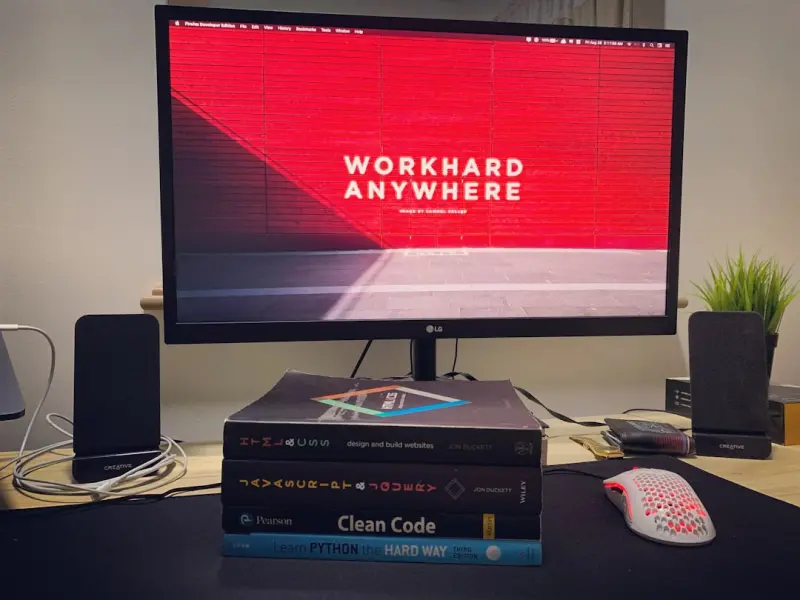
Why Working From Anywhere Isn’t the Budget‑Boost Everyone Assumes
Why Working From Anywhere Isn’t the Budget‑Boost Everyone Assumes When I first swapped the daily... Read More

Smart Strategies to Tame the Cost of Living Without Sacrificing Lifestyle
A fresh look at cost‑of‑living challenges, offering actionable tips on energy efficiency, shared... Read More
Top Posts

Why Your Restaurant Table Choice Matters More Than the Food
Explore the hidden science behind restaurant table placement, from psychological cues to tech‑driven strategies, and learn how both diners and owners can bene...Read More

The Indie Podcast Boom: How Small Voices Are Shaping Canadian Entertainment
Canada’s indie podcast explosion is redefining entertainment by giving niche creators a platform, fostering micro‑communities, and creating fresh revenue st...Read More

Canada’s Civic‑Tech Awakening: How Open Platforms Are Redefining National Service
A deep dive into Canada’s emerging civic‑tech renaissance, highlighting open‑source platforms that let citizens co‑create public services, improve trans...Read More

The Hidden Expenses Shaping Your Gig Economy Lifestyle
Freelancers often overlook hidden costs like subscriptions, health insurance, and transportation. This article breaks down those expenses and offers practical t...Read More
0 Comments
Post Comment
You will need to Login or Register to comment on this post!