
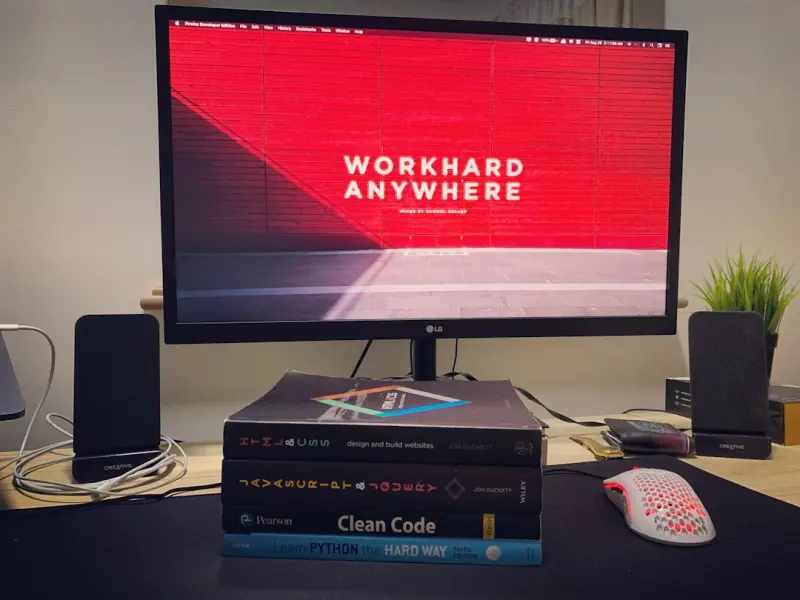
Why Working From Anywhere Isn’t the Budget‑Boost Everyone Assumes
When I first swapped the daily commute for a home‑based desk, the promise of saved fuel costs and fewer lunches out felt like a financial windfall. The reality, however, has been a slow‑burning series of expenses that quietly erode that initial optimism. In today’s economy, the cost of living is rising on every front, and remote work brings its own set of price tags that most people overlook until the bill arrives.
The Utility Equation: Electricity, Heating, and Internet
Back when my office was a separate building, the landlord covered the bulk of electricity and heating. Now that my workstation lives in my living space, the meter reads higher every month. A high‑performance computer, multiple monitors, and a reliable router demand more power than a single laptop ever did. Add in seasonal heating or cooling, and the energy bill can increase by 30‑40 %.
And then there’s the internet. A stable, high‑speed connection is no longer a luxury; it’s a necessity for video calls, cloud‑based tools, and large file transfers. Upgrading from a basic plan to a business‑grade package can add another $50‑$100 to the monthly outlay.
Equipment Depreciation: The Unseen Asset Loss
Most remote workers assume that their existing laptop will last forever. In practice, the wear and tear from continuous use shortens a device’s lifespan. Replacing a laptop, monitor, ergonomic chair, or standing desk every few years isn’t just a one‑time expense; it’s a recurring depreciation cost that needs to be budgeted.
Even peripheral items—webcams, headphones, and external drives—accumulate. When you add the cost of occasional upgrades to stay compatible with the latest software, the annual outflow can approach the amount you would have spent on a monthly transit pass.
Digital Subscription Overload
Remote work thrives on a suite of digital services: project‑management platforms, cloud storage, time‑tracking tools, and communication apps. Each service typically operates on a per‑user, per‑month model. While many start with a free tier, teams quickly outgrow those limits and migrate to paid plans.
One strategy many overlook is the potential for optimizing digital service subscriptions. Conducting a quarterly audit of every tool—asking whether it’s essential, whether there’s a cheaper alternative, or if multiple tools can be consolidated—can reveal unnecessary spend that would otherwise stay hidden in the monthly ledger.
The Boundary Blur: Personal Expenses Bleeding into Professional Life
When the office disappears, the line between personal and professional spending fades. A coffee shop habit, once a treat on a commute, becomes a daily expense as you seek a change of scenery. Snacks, meals, and even small comforts like a new pair of headphones—once discretionary—now feel like work‑related necessities.
Moreover, the psychological cost of constant connectivity often leads to longer work hours, which can increase utility use and diminish personal downtime. This “always‑on” mindset can also translate into higher stress‑related health spending, though I’ll avoid the term that appears in other posts.
Workspace Real Estate: Re‑configuring Your Home
Not every residence has a dedicated office nook. Many remote workers end up redesigning a bedroom, a living‑room corner, or even a hallway to accommodate a workstation. This redesign often involves purchasing furniture, sound‑dampening panels, and lighting solutions. The upfront cost can be several hundred dollars, and the ongoing maintenance—like replacing lamp bulbs or adjusting furniture—adds to the total.
Transportation Still Matters
Even without a daily commute, occasional travel remains unavoidable. You might still need to drive to client meetings, coworking spaces, or networking events. The difference is that these trips are less predictable, often requiring rentals or ride‑share services, which can be pricier per mile than a regular commuter schedule.
Insurance and Tax Implications
Working from a personal space can affect home insurance policies. Some insurers require riders for business equipment, and failing to disclose this can invalidate coverage. On the tax side, many jurisdictions allow a portion of home expenses—like utilities and rent—to be deducted. However, navigating these deductions demands careful record‑keeping and sometimes professional advice, adding another layer of expense.
Practical Ways to Tame the Remote Cost Surge
- Energy‑Efficiency Audits: Replace old bulbs with LEDs, use a smart thermostat, and power down devices when not in use.
- Shared Equipment Models: If your organization allows, adopt a bring‑your‑own‑device policy and seek bulk discounts on peripherals.
- Subscription Consolidation: Bundle tools where possible, negotiate enterprise rates, or explore open‑source alternatives that meet your needs.
- Designated “Office Hours”: Set clear boundaries to prevent work from spilling into personal time, which can curb unnecessary utility use.
- Workspace Grants: Some companies offer stipends for home‑office setup. Leverage these funds strategically to offset initial furniture costs.
- Periodic Financial Reviews: Conduct a bi‑annual review of all remote‑related expenses, adjusting budgets as needed.
Learning from Other Industries
In sectors where experience‑based services are evolving, there’s a growing emphasis on reimagining event experiences. While this may seem unrelated, the underlying principle—leveraging technology to replace or augment physical presence—parallels remote work. By studying how these sectors balance cost with immersive delivery, remote workers can adopt similar tactics, such as virtual collaboration spaces that reduce the need for costly physical meetups.
Conclusion: A Balanced Perspective on Remote Finances
Remote work is not a free lunch; it reshapes the cost‑of‑living landscape in subtle but significant ways. Recognizing these expenses early—utility spikes, equipment wear, subscription creep, and blurred boundaries—allows you

Related Posts

The True Cost of Everyday Convenience
Convenience may feel like a luxury, but hidden fees, subscription fatigue, and smart‑tech costs qu... Read More

The Community‑First Playbook for Tackling Cost‑of‑Living Pressures
A fresh, community‑focused strategy shows how cooperative buying, AI‑driven budgeting, and trans... Read More

Decoding the Hidden Layers of Everyday Expenses
A personal guide to spotting and trimming the silent drains on your budget, from subscription overlo... Read More
Top Posts

When AI Becomes Your Legal Partner: The New Frontier of Contract Drafting
This article examines the rise of generative AI in contract drafting, outlining regulatory concerns, ethical considerations, and a roadmap for legal teams to ad...Read More

Reviving the Open Air: Canada’s Drive‑In Cinema Renaissance
Canada’s drive‑in theatres are experiencing a vibrant comeback, turning parking lots into cultural hubs with high‑definition projections, subscription mod...Read More

Ontario’s Fishing Tech Revolution: Casting Smarter, Not Harder
Discover the rise of modern fishing tools in Ontario—from smartphone apps to drone scouting—and learn how they’re making angling smarter, safer, and more ...Read More

Ontario’s Secret Fishing Spots: A Local’s Guide
From quiet tributaries to secret lake coves, I share Ontario’s hidden fishing gems, sustainable tips, and the joy of catching and cooking fresh fish with frie...Read More
0 Comments
Post Comment
You will need to Login or Register to comment on this post!