
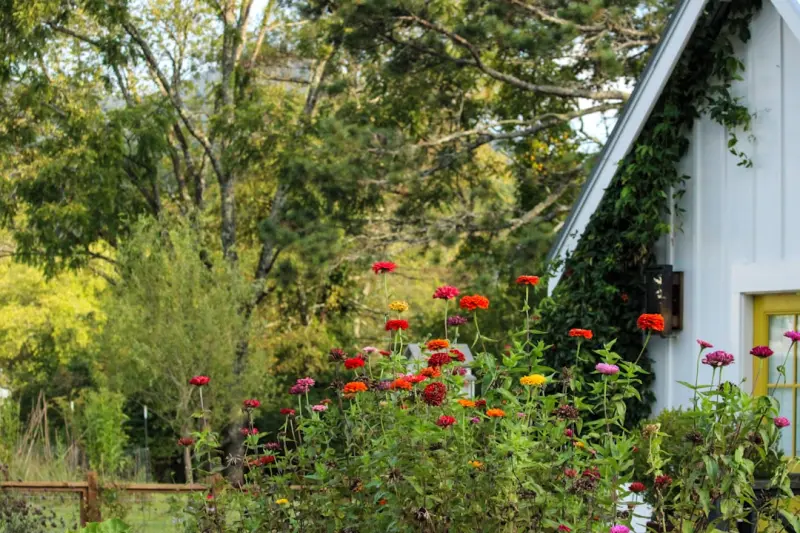
Why the Canadian Cottage is Making a Comeback
There’s a quiet revolution unfolding across our lakeshores, forest clearings, and even suburban backyards. The classic Canadian cottage—once a seasonal escape for city‑dwelling families—has been reborn as a year‑round sanctuary that blends sustainable design with the comforts of modern living. This transformation isn’t just about adding Wi‑Fi or a heated floor; it’s a holistic shift in how we think about space, community, and the environment.
From Summer Retreat to Full‑Time Home
Historically, cottages were built for short, sun‑lit getaways. Today, homeowners are retrofitting them to withstand harsh winters, improve energy efficiency, and support remote work. The why is clear: housing costs in major metros are soaring, and many Canadians crave a lifestyle that balances productivity with nature‑based well‑being.
Key drivers of this shift include:
- Affordability: Purchasing a modest cottage on the outskirts of a lake or forest can be dramatically cheaper than a downtown condo.
- Flexibility: With many companies embracing hybrid work models, the need for a permanent office desk is fading.
- Health Benefits: Access to fresh air, natural light, and outdoor recreation has measurable impacts on mental health.
Design Principles That Respect the Land
When you redesign a cottage for permanent living, the goal is to enhance rather than dominate the surrounding landscape. Below are design strategies that keep the environment front and center:
- Passive Solar Orientation: Positioning large windows to capture low‑angle winter sun reduces heating demands while shading can protect against summer glare.
- Insulated Structural Elements: Triple‑pane glazing, insulated concrete forms, and reclaimed wood studs create a thermal envelope that keeps interiors cozy without relying heavily on fossil‑fuel heating.
- Green Roofs & Living Walls: These not only provide insulation but also foster biodiversity, inviting pollinators and birds to your property.
- Rainwater Harvesting: Collecting runoff for grey‑water use in toilets or garden irrigation cuts municipal water consumption.
Local Food Systems: From Garden to Table
One of the most rewarding aspects of cottage living is the ability to grow your own food. Small‑scale gardening can be surprisingly productive when you incorporate regenerative farming innovations such as no‑till beds, compost mulches, and perennial vegetable varieties.
Consider these simple steps to get started:
- Soil Testing: A quick pH and nutrient check will inform you whether you need lime, gypsum, or organic amendments.
- Polyculture Beds: Planting complementary species—like beans with corn—maximizes space and naturally deters pests.
- Season Extension: Use cold frames or hoop houses to push harvest dates further into the spring and fall.
- Community Share: Pair with neighboring cottage owners for a cooperative seed swap or collective bulk purchasing of organic inputs.
Technology That Doesn’t Distract
While the allure of a remote office is strong, it’s essential to keep technology purposeful. Smart thermostats, energy monitors, and low‑power Wi‑Fi mesh systems can help you stay connected without overwhelming the rustic vibe. The goal is to let technology serve the cottage, not dominate it.
For those interested in broader trends shaping remote work in Canada, the Northern lifestyle insights piece provides a helpful backdrop, highlighting how geography influences digital connectivity.
Building Community Around the Water’s Edge
One of the most beautiful unintended outcomes of cottage revitalization is the resurgence of hyper‑local community networks. When people spend more time at their seasonal properties, they naturally form tighter bonds with neighbors, sharing resources, skills, and stories.
Typical community activities include:
- Potluck Nights: Rotating dinner parties that showcase regional produce and traditional recipes.
- Skill Swaps: From woodworking to mushroom foraging, residents trade expertise without monetary exchange.
- Collective Conservation: Joint shoreline clean‑ups and wildlife monitoring projects reinforce stewardship of the shared environment.
Financial Incentives and Grants
Governments at the federal, provincial, and municipal levels are beginning to recognize the ecological and social value of these cottage transformations. Many jurisdictions now offer rebates for:
- Installing high‑efficiency heat pumps.
- Upgrading insulation beyond code minimums.
- Implementing renewable energy systems, such as solar PV or micro‑hydro setups.
Researching local programs can offset up to 30‑40% of renovation costs, making the financial case for a year‑round cottage even stronger.
Balancing Work and Play
Working from a cottage doesn’t mean you must sacrifice productivity. In fact, the natural surroundings can boost focus and creativity. To make the most of your hybrid schedule:
- Designate a Dedicated Workspace: A small, well‑lit nook with ergonomic furniture separates work from leisure.
- Establish Rituals: A morning coffee on the deck or a midday walk among birch trees signals transitions between tasks.
- Set Boundaries: Use a “do not disturb” sign for family members during core work hours, and reciprocally honor personal time for recreation.
Case Study: A Sustainable Cottage in the Muskoka Region
Emma and Lucas, a young couple from Toronto, purchased a modest 1,200‑square‑foot cottage on a quiet lakefront. Their renovation journey illustrates the principles discussed above.
- Energy Upgrade: They installed a ground‑source heat pump, reducing annual heating bills by 55%.
- Food Production: A 400‑square‑foot raised‑bed garden now yields over 300 kg of vegetables each season, supplemented by a small orchard of dwarf apple trees.
- Community Integration: By joining the local “Lakefront Co‑Op,” they share equipment like a communal electric mower and organize monthly fish‑clean‑up events.
Within two years, their carbon footprint dropped dramatically, and they reported higher satisfaction scores on work‑life balance surveys conducted by their employer.
Future Outlook: The Cottage as a Model for Sustainable Urbanism
What can city planners learn from the cottage resurgence? The answer lies in the emphasis on low‑impact design, local food loops, and community resilience. As municipalities grapple with housing shortages, the cottage model offers a template for compact, self‑sufficient dwellings that integrate seamlessly with nature.
Key takeaways for urban developers include:
- Prioritizing passive design over mechanical solutions.
- Embedding urban agriculture spaces within residential blocks.
- Fostering shared amenities that reduce individual ownership burdens.
Getting Started: Your First Steps Toward a Year‑Round Cottage
If the idea of a sustainable, permanent cottage resonates with you, here’s a simple roadmap:
- Assess Your Property: Evaluate the site’s orientation, insulation potential, and access to utilities.
- Set Clear Goals: Decide whether you prioritize energy efficiency, food production, remote work, or community building.
- Research Funding: Reach out to local municipal offices for rebates and grant programs.
- Engage Professionals: Work with architects who specialize in passive houses and with contractors experienced in renewable energy installations.
- Plan Incrementally: Start with high‑impact upgrades—like sealing drafts and installing a heat pump—before moving to more ambitious projects such as a living roof.
Remember, the cottage is not just a structure; it’s an evolving lifestyle that rewards patience, curiosity, and a respect for the land.
Conclusion: A New Chapter for Canadian Living
The cottage revival is more than a trend; it’s a cultural shift toward responsible, connected, and health‑focused living. By marrying traditional Canadian values of simplicity and nature appreciation with modern sustainability practices, we can create homes that nourish both people and planet. Whether you’re a city dweller dreaming of a lakefront escape or a long‑time cottage owner looking to upgrade, the possibilities are as boundless as the Canadian sky.

Related Posts

How to Transform Your Canadian Yard into a Four‑Season Sanctuary
Learn how to reshape your Canadian yard into a vibrant, all‑season retreat with budget‑friendly ... Read More

Powering Community: How Canadian Solar Co‑ops Are Changing the Neighborhood Landscape
From Halifax rooftops to prairie fields, community solar co‑ops are uniting Canadians around clean... Read More

Why Canada’s Cabins Are the New Base for Remote Professionals
A deep dive into the growing trend of Canadians swapping city offices for cabin homes, highlighting ... Read More
Top Posts

Indigenous Voices Amplify: A New Wave in Canadian Entertainment
Indigenous creators are leading a cultural renaissance in Canadian entertainment, from genre‑bending films and innovative music to immersive gaming, reshaping...Read More

Why B2B Marketers Are Betting on Adaptive Experience Platforms
Adaptive experience platforms are the next frontier for B2B marketers, turning static campaigns into living, data‑driven journeys that react instantly to buye...Read More

Beyond the Horizon: How Rail Journeys Redefine Sustainable Adventure
Discover the rise of rail‑based tourism that offers immersive cultural stops, eco‑friendly routes, and farm‑stay adventures, redefining sustainable travel...Read More

Pierre Poilievre Loses: What did he do wrong?
Conservative Leader Pierre Poilievre shocked the nation when he lost his seat in Parliament after the recent election. Many are wondering what mistakes he may h...Read More
0 Comments
Post Comment
You will need to Login or Register to comment on this post!