
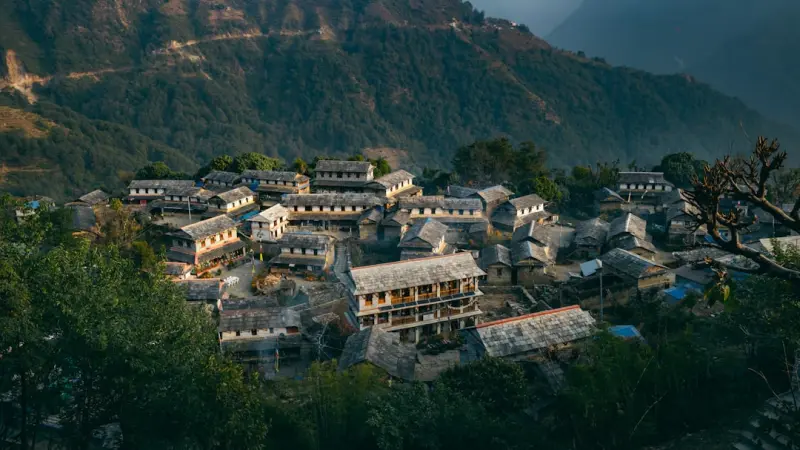
Why Digital Nomad Villages Are the Next Big Wave in Travel
When I first swapped my corner office for a seaside co‑working space in Lisbon, I thought I was simply chasing better Wi‑Fi and a view. What I didn’t expect was to stumble onto a movement that’s quietly reshaping the way we think about tourism, community, and even the economics of remote work. Digital nomad villages—purpose‑built towns that blend affordable housing, reliable internet, sustainable infrastructure, and curated local experiences—are emerging as the sweet spot where wanderlust meets stability.
The Evolution from “Work‑From‑Deck” to Full‑Scale Communities
We’ve all seen the headlines about turning cruise ships and bus tours into mobile offices. Those experiments proved that work can happen anywhere, but they often feel like temporary hacks—great for a week or two, but unsustainable for long‑term living. Digital nomad villages, on the other hand, are designed with permanence in mind. They offer everything a remote professional needs: from coworking hubs and affordable short‑term rentals to grocery stores that source locally, cultural immersion programs, and even health services tailored for a transient population.
Think of them as the next logical step after the “work‑from‑deck” trend: instead of sprinkling workspaces across existing tourist hotspots, entire towns are being retrofitted—or built from the ground up—to support a mobile workforce. The result is a win‑win for both nomads, who gain a sense of belonging, and host communities, which benefit from a steady influx of skilled residents and new revenue streams.
Key Ingredients of a Thriving Nomad Village
- Reliable Connectivity: A gigabit‑grade fiber backbone isn’t a luxury—it’s a necessity. Villages that invest early in robust internet infrastructure attract higher‑earning freelancers and tech talent.
- Affordable Housing Models: Flexible lease terms, co‑living spaces, and micro‑apartments keep costs down without sacrificing comfort.
- Sustainable Mobility: Instead of relying on car‑centric layouts, many villages are integrating micro‑mobility subscriptions—e‑scooters, bike‑share programs, and even electric shuttle services—to keep carbon footprints low while giving residents the freedom to explore nearby attractions.
- Local Economic Integration: Partnerships with local artisans, farms, and restaurants ensure that money stays in the community, fostering a symbiotic relationship between newcomers and longtime residents.
- Health & Wellness Hubs: Access to community gardens, meditation spaces, and wellness workshops (think urban wellness initiatives) supports mental health—a crucial factor for people who live a nomadic lifestyle.
The Sustainability Edge: Turning Waste into Opportunity
One of the biggest challenges for any growing settlement is waste management. In forward‑thinking nomad villages, the solution is often technology‑driven. By using real‑time data to monitor food consumption, many kitchens are adopting zero‑waste kitchen principles that not only reduce landfill output but also lower operating costs for local eateries. Imagine a communal kitchen where leftovers are instantly logged, redistributed to nearby shelters, or turned into compost for community gardens. This closed‑loop system aligns perfectly with the eco‑conscious ethos of many digital nomads.
Economic Ripple Effects for Host Communities
When a village fills with remote workers, the local economy experiences a multiplier effect. Here’s how:
- Increased Demand for Services: From laundry and cleaning to language classes, demand spikes for everyday services, prompting new businesses to emerge.
- Skill Transfer: Many nomads bring expertise in digital marketing, software development, and data analysis. They often volunteer at local schools or mentor budding entrepreneurs, raising the overall skill level of the area.
- Real Estate Revitalization: Vacant properties that once sat empty are repurposed into co‑living spaces, breathing new life into dilapidated neighborhoods.
- Tourism Diversification: Traditional tourism can be seasonal and fickle. A steady stream of remote workers smooths out demand, ensuring year‑round economic stability.
Case Study: The Rise of “Coastal Haven” in Southern Portugal
Coastal Haven started as a modest plan to convert an old fishing village into a tech‑friendly hub. The developers partnered with local authorities to provide high‑speed fiber, a community‑run bike‑share system, and a series of workshops on sustainable living. Within 18 months, the village attracted over 500 remote workers from across the globe.
Key outcomes included:
- A 30% increase in local restaurant revenues, driven by nomads seeking authentic Portuguese cuisine.
- Reduced food waste by 45% thanks to a collaborative kitchen that used data‑driven inventory management.
- Creation of a “Nomad‑Local Council” that meets monthly to discuss community concerns, ensuring that growth remains inclusive.
The success of Coastal Haven demonstrates that when infrastructure, sustainability, and community engagement align, the digital nomad village model can be a catalyst for regional revitalization.
Challenges to Overcome
It would be naïve to paint this picture without acknowledging hurdles:
- Regulatory Barriers: Some countries still lack clear visa pathways for long‑term remote work, complicating the legal stay for nomads.
- Gentrification Risks: If property prices soar too quickly, locals can be priced out of their own neighborhoods.
- Infrastructure Strain: Rapid population influx can overwhelm water, waste, and power systems if not planned meticulously.
Proactive policy frameworks, transparent community planning, and inclusive pricing models are essential to mitigate these risks. Many successful villages have adopted a “profit‑share” model, where a portion of the revenue generated by nomad housing is reinvested into local public services.
Designing the Future: What Travelers Should Look For
If you’re a digital nomad considering a village move, keep an eye on these criteria:
- Connectivity Guarantees: Ask for a service level agreement on internet speeds.
- Community Programs: Look for initiatives that integrate you with locals—language exchanges, volunteer opportunities, and cultural festivals.
- Sustainability Metrics: Villages that publish data on waste reduction, energy usage, and carbon footprints tend to be more forward‑thinking.
- Flexibility of Stay: Short‑term leases or “pay‑as‑you‑go” housing options provide the freedom that nomads cherish.
Beyond the Village: The Global Impact on Tourism
Traditional tourism often encourages short, high‑intensity visits that can strain local resources. Digital nomad villages promote a model of “slow travel”—extended stays that foster deeper cultural exchange and more responsible consumption. As more travelers adopt this mindset, the industry will likely see a shift toward experiences that prioritize authenticity, sustainability, and mutual benefit.
The ripple effect could even influence mainstream hotels and resorts to adopt similar practices—offering co‑working spaces, longer‑term packages, and partnerships with local producers. In essence, the village model could serve as a blueprint for the entire travel sector, nudging it toward a more humane, eco‑centric future.
Conclusion: A Call to Action for Travelers, Planners, and Policymakers
Digital nomad villages are not just a trendy buzzword; they represent a concrete pathway to a more equitable and sustainable tourism ecosystem. By blending reliable tech infrastructure, affordable living, and deep community integration, these villages empower remote workers to become ambassadors of cultural exchange rather than fleeting tourists.
For policymakers, the message is clear: create flexible visa regimes and support public‑private partnerships that can fund the necessary infrastructure. For developers and investors, the opportunity lies in building villages that prioritize sustainability and local empowerment. And for travelers, the invitation is to step beyond the conventional hotel‑room‑and‑sightseeing script, and consider making a community your home—at least for a while.
When we all choose to invest our time, talent, and resources wisely, travel transforms from a consumptive pastime into a catalyst for positive change. The next time you pack your bag, ask yourself: am I just passing through, or am I ready to help build the future of travel?

Related Posts

Regenerative Travel: Turning Vacation into Restoration
Explore the concept of regenerative travel, a shift from sustainable tourism that actively restores ... Read More
What to do in Niagara Falls, Ontario Canada on your vacation
Discover the best things to do in Niagara Falls, Ontario Canada with our comprehensive guide. From e... Read More
Explore Ontario's Natural Beauty: Free Park Day and Top Destinations
Ontario's vast and varied landscape offers a wealth of natural beauty, and what better way to experi... Read More
Top Posts

Community, Resilience, and Tech for Canadian Farmers
Canadian farmers are reshaping agriculture by building cooperatives, prioritizing mental health, and adopting technology that puts them in control, paving the w...Read More

Redefining Cost of Living: Hidden Levers and Proactive Strategies
A deep dive into the invisible forces that raise living expenses—subscription fatigue, algorithmic pricing, and digital utility costs—and actionable steps t...Read More

Slashing Your Rural Expenses: Insider Tips for Savvy Living
Living in a rural area can be a wonderful experience, but it requires some careful planning and budgeting. Learn how to slash your rural expenses and live a mor...Read More
Exploring the Hidden Gems of Rural America: A Journey Through Uncharted Getaways
Rural America offers a unique travel experience, with its vast landscapes, quaint charm, and authentic American spirit. Discover the hidden gems and uncharted g...Read More
0 Comments
Post Comment
You will need to Login or Register to comment on this post!