

The Quiet Revolution of Micro‑Escapes: Redefining Travel One Weekend at a Time
When I first quit my nine‑to‑five grind and bought a one‑bedroom loft in the heart of the city, I thought my wanderlust would be satisfied by the occasional long‑haul flight. Instead, I discovered a different kind of thrill: the micro‑escape. These short, intentional trips—ranging from a Friday night in a nearby mountain town to a three‑day surf session on a hidden coastline—are quietly reshaping how we think about travel, work, and community. In this piece, I’ll walk you through why micro‑escapes matter, how they’re changing the economics of tourism, and what you can do to become a savvy micro‑traveler without sacrificing the depth of experience you crave.
Why Micro‑Escapes Are Gaining Traction
There are three converging forces driving the surge of micro‑escapes:
- Time scarcity. Professionals today juggle multiple roles—parent, employee, side‑hustler, and digital citizen. The traditional week‑long vacation feels like a luxury that often clashes with personal responsibilities.
- Environmental awareness. While not a new conversation, many travelers now consider carbon footprints and local impact. A short trip usually means a smaller carbon imprint, especially when you choose train or car‑share options.
- Desire for authentic connections. Long tours can feel scripted, but a brief stay in a small community offers a chance to engage with locals on a human level—whether you’re sharing a coffee at a neighborhood bakery or helping a farmer harvest heirloom tomatoes.
The result? A growing community of “weekend nomads” who blend work, leisure, and community immersion into a single, fluid experience. And because these trips are short, they’re less likely to be disrupted by the inevitable travel hiccups that plague longer itineraries—missed flights, visa delays, or unexpected illnesses.
Micro‑Escapes vs. Traditional Tourism: A New Economic Model
Traditional tourism often funnels money into large, well‑known destinations—think bustling city centers, iconic landmarks, and massive resorts. In contrast, micro‑escapes channel spending directly into smaller economies that historically struggled to attract visitors. A weekend stay at a family‑run B&B in a rural town can provide a substantial boost to that community’s hospitality sector, local farms, and artisans.
Consider the ripple effect: a single traveler might spend $200 on lodging, $80 on meals, and $50 on a local guide’s services. In a town where the average weekly revenue per resident is $150, that single micro‑escape can represent the income of multiple households. The multiplier effect—where each dollar spent circulates several times within the local economy—means that these short trips can punch far above their weight.
Moreover, micro‑escapes often inspire repeat visits. A traveler who discovers a charming lakeside village during a Friday‑to‑Sunday getaway may plan a longer stay months later, deepening the economic relationship and fostering cultural exchange.
Crafting the Perfect Micro‑Escape: The Planner’s Toolbox
Designing a micro‑escape isn’t as simple as picking a destination and booking a hotel. Below is a step‑by‑step framework that has helped me and countless readers turn a two‑day jaunt into a memorable adventure:
- Define Your Intent. Are you looking for relaxation, adventure, or cultural immersion? Pinpointing the purpose helps you narrow down destinations that align with your goals.
- Map Proximity. Use a radius tool (Google Maps, Roadtrippers, or any GIS app) to identify towns, natural parks, or cultural sites within a 2‑3‑hour travel window.
- Research Local Experiences. Dive into community calendars, local Facebook groups, or tourism board newsletters. Small towns often host pop‑up markets, workshops, or festivals that are invisible on mainstream travel sites.
- Choose Sustainable Transport. Prioritize trains, buses, or car‑sharing platforms. Not only does this lower your carbon footprint, it also offers a chance to see the landscape unfold organically.
- Book Smart. Opt for boutique accommodations that are locally owned. Platforms like zero‑waste bars often partner with nearby hotels, giving you a curated list of eco‑friendly stays.
- Pack Light, Pack Right. A carry‑on plus a small daypack is usually sufficient. Include versatile clothing, a reusable water bottle, and a compact notebook for spontaneous journaling.
- Engage Authentically. Instead of checking landmarks off a list, spend time conversing with locals, trying regional dishes, and participating in community activities. This transforms a brief stay into a meaningful exchange.
By following this process, you’ll avoid the common pitfall of “tourist‑trap” itineraries and instead create a personalized journey that feels both purposeful and spontaneous.
Technology’s Role: From Booking to Real‑Time Discovery
Technology is the silent engine powering the micro‑escape movement. While I’m not an advocate of every shiny app, a few tools have genuinely enhanced my weekend getaways:
- Dynamic itinerary generators. Apps that pull real‑time data on weather, traffic, and local events help you stay flexible and make on‑the‑fly decisions.
- Community‑driven platforms. Think of a hybrid between Airbnb and a local forum where hosts share insider tips, from the best sunrise spot to a hidden trail.
- Digital nomad visa resources. Some countries now offer short‑term work‑friendly visas that double as tourism permits. Understanding these can open doors to micro‑escapes that blend work and play.
One example that illustrates this blend is the rise of cruise‑based remote offices. While the concept might sound like a full‑blown vacation, many professionals use these floating workspaces as a launchpad for micro‑excursions at each port of call, hopping off for a day or two to explore nearby towns before returning to the ship. This model shows how flexible work arrangements can amplify the micro‑escape ethos, even on a larger scale.
Micro‑Escapes for the Solo Traveler: Safety and Connection
Solo travel often carries a reputation for risk, but micro‑escapes can actually enhance safety. Short durations mean you’re less likely to get lost in unfamiliar bureaucracies, and you can return home quickly if anything feels off. Here are a few tips for solo adventurers:
- Share your itinerary with a trusted friend and check in regularly.
- Choose accommodations with strong reviews on security and host responsiveness.
- Engage with local coworking spaces or community centers; they often serve as informal hubs for travelers looking to connect.
- Carry a portable charger and a local SIM card—staying connected is key to both safety and spontaneity.
Remember, the goal isn’t isolation but intentional connection. Even a brief chat with a barista can lead to a recommendation for a hidden waterfall, turning a solo stroll into a shared discovery.
Micro‑Escapes and the Future of Hospitality
Hotels and hospitality brands are taking note. Many are now offering “stay‑cation” packages tailored to local residents seeking a quick retreat without crossing state lines. These packages often bundle spa treatments, curated dining experiences, and guided tours of nearby nature reserves.
Beyond traditional hotels, the rise of “pop‑up” lodging—temporary cabins, glamping sites, and even converted shipping containers—provides flexible options that align with the short‑term nature of micro‑escapes. Because these structures can be set up and taken down quickly, they allow communities to test tourism demand without heavy infrastructure investment.
For entrepreneurs in the travel sector, this presents an opportunity to design services that cater specifically to the weekend market: curated itineraries, on‑demand local guides, and subscription models that grant members a set number of micro‑escapes per year at discounted rates.
Measuring Impact: Beyond Footprints to Heartbeats
Most sustainability conversations focus on carbon emissions, but the impact of micro‑escapes goes deeper. By spending time in smaller locales, travelers can foster cultural exchange, support mental health (both for themselves and for host communities), and even help preserve endangered traditions.
Take the example of a weekend pottery workshop in a rural village. Participants learn ancient techniques, purchase handmade ceramics, and share stories with the artisans. This exchange not only provides income for the craftspeople but also revitalizes a cultural practice that might otherwise fade.
Tracking these qualitative impacts is harder than counting kilograms of CO₂, but tools like post‑trip surveys, community feedback loops, and social media storytelling can provide valuable insights. As we collectively prioritize responsible travel, these narrative metrics will become as important as the hard numbers.
Getting Started: Your First Micro‑Escape Checklist
Ready to dip your toes into the micro‑escape wave? Here’s a quick checklist to set you on the right path:
- Pick a destination within a 2‑hour travel radius.
- Identify one local activity that’s not on mainstream travel sites.
- Book a locally owned accommodation.
- Choose a sustainable mode of transport.
- Set a personal intention—relax, explore, connect.
- Pack light, bring a reusable water bottle, and a notebook.
- Plan a brief “check‑in” with a friend or family member.
Follow these steps, and you’ll find that a weekend can feel as enriching as a two‑week vacation—if not more so. The key is intentionality: treating each micro‑escape as a purposeful pause rather than a rushed sprint.
Conclusion: The Power of Small Journeys
In an era where burnout looms large and the planet’s limits are ever clearer, micro‑escapes offer a pragmatic, sustainable, and deeply rewarding alternative to traditional travel. They empower us to rediscover the joy of movement without the guilt of over‑tourism, to build authentic connections with communities that often lie off the beaten path, and to weave a richer tapestry of experiences into the fabric of everyday life.
So next time the calendar shows a free Friday, ask yourself: where can a short, intentional journey take you? The answer might be just a train ride away, waiting to turn a mundane weekend into a story you’ll retell for years to come.

Related Posts
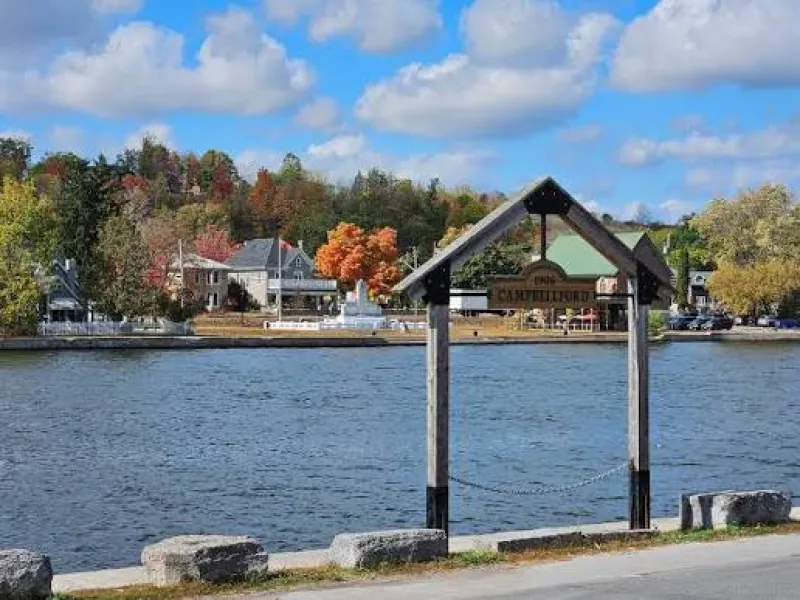
Discovering the Charm of Campbellford: A Northumberland County Gem
Campbellford, a picturesque town nestled in Northumberland County, Ontario, offers a delightful blen... Read More

Discovering the Enchanting 1000 Islands, Ontario: Your Guide to Things To Do, Where to Stay, and Where to Eat
The 1000 Islands region of Ontario, a breathtaking archipelago scattered across the St. Lawrence Riv... Read More
Travel Subscriptions: The New Way to Vacation Smarter
Travel subscriptions are turning vacations into a predictable, personalized service. Discover how AI... Read More
Top Posts

Eco‑Chic Prom & Graduation: Sustainable Style Meets Celebration
Explore how to blend glamour with sustainability for prom and graduation, from eco‑friendly outfits and décor to digital invites and community‑driven budge...Read More

Fermentation at Home: Unlocking Bold Flavors in Your Kitchen
Dive into the world of home fermentation and learn simple techniques to create tangy drinks, probiotic veggies, and flavorful condiments that elevate your cooki...Read More

Rethinking Tariffs: From Compliance Burden to Innovation Engine
Tariffs are no longer just a compliance hurdle for SaaS firms; they’re becoming a catalyst for innovation, market segmentation, and sustainable growth. This p...Read More

Rediscovering Canada’s National Parks: A Community‑Driven Renaissance
A fresh look at Canada’s national parks reveals a community‑driven renaissance, where locals, Indigenous peoples, and adaptable policies join forces to prot...Read More
0 Comments
Post Comment
You will need to Login or Register to comment on this post!