

Why Restaurants Need Dynamic Pricing, Not Just Fixed Menus
When I first walked into a downtown bistro and saw a menu that hadn’t changed in five years, I felt a pang of déjà vu. The dishes were solid, the service polished, but the experience felt static—like a television show stuck in reruns. In the fast‑moving world of hospitality, clinging to a static menu is as risky as serving a dish without tasting it first. Today’s diners expect personalized, responsive experiences that reflect everything from weather patterns to local events. The answer? A dynamic pricing engine that learns, adapts, and serves the perfect price at the perfect moment.
The Myth of “One‑Size‑Fits‑All” Pricing
Traditional restaurants have long relied on a simple formula: cost of ingredients + labor + overhead = menu price. While that equation keeps the books balanced, it ignores a crucial variable—customer demand elasticity. A steak on a rainy Tuesday will sell at a different price point than the same steak on a bustling Saturday night. Ignoring this nuance leaves money on the table and can alienate price‑sensitive diners.
Dynamic pricing doesn’t mean hiking prices arbitrarily; it’s about aligning price with perceived value. Think of it as a conversation between the kitchen, the data engine, and the guest. When the data says “high demand,” the system can suggest a modest premium, just enough to capture willingness to pay without shocking the patron.
How Real‑Time Data Fuels the Engine
Imagine a kitchen dashboard that lights up when a local sports team wins, when a food‑truck festival is in the neighborhood, or when a sudden cold snap drives people indoors. Those signals are gold for a pricing algorithm. By integrating real‑time waste analytics with sales data, restaurateurs can also see which ingredients are over‑stocked and adjust prices to move inventory faster, reducing waste while boosting margins.
Data streams aren’t limited to the kitchen. Social media sentiment, reservation patterns, and even local traffic data become inputs. A surge in Instagram posts about “comfort food” can trigger a temporary price bump on hearty bowls, while a lull in “date night” searches might prompt a special couple’s discount.
Designing the Guest Journey: From Discovery to Checkout
Dynamic pricing works best when it’s invisible to the guest or, better yet, framed as a benefit. Here’s a three‑step flow that respects the diner’s experience:
- Discovery: A guest opens the restaurant’s app or website and sees a curated “Today’s Specials” board. The pricing displayed reflects current demand, but the messaging highlights freshness and exclusivity (“Only available tonight!”).
- Engagement: As the guest scrolls, personalized micro‑moments appear—like a pop‑up offering a complimentary amuse‑bouche if they order within the next five minutes. These nudges feel like thoughtful gestures rather than sales tactics.
- Checkout: The final price is confirmed, with a brief note explaining any price variation (“Your dish is priced higher tonight due to high demand for fresh seafood”). Transparency builds trust and reduces sticker shock.
Case Study: A Mid‑Size Italian Eatery’s Turnaround
Three months ago, a family‑owned Italian restaurant in Hamilton introduced a pilot dynamic pricing system. They started with just two variables: day‑of‑week and weather. On rainy evenings, pasta dishes were priced 5% higher, reflecting the higher willingness to pay for comfort meals. On sunny weekends, salads received a slight discount to encourage lighter dining.
The results were striking:
- Revenue lift: +12% average ticket size.
- Waste reduction: 8% fewer unsold fresh produce items, thanks to price‑driven inventory moves.
- Customer satisfaction: Net promoter score rose by 7 points, as diners appreciated the “freshness guarantee” messaging.
The owner told me, “I was scared at first, but seeing the data in real time gave me confidence. It feels like we’re finally listening to our guests without asking them.”
Balancing Ethics and Perception
Dynamic pricing can feel like price gouging if not handled delicately. Transparency is the antidote. A simple line in the menu—“Prices reflect real‑time demand to ensure fair access for all guests” —goes a long way. Moreover, setting caps on price fluctuations prevents extreme spikes that could alienate loyal customers.
Another ethical lever is “price‑floor” discounts for community members or seniors. By integrating user profiles, the system can automatically apply these discounts while still optimizing the rest of the menu for profitability.
Technology Stack: What You Need to Get Started
Building a dynamic pricing engine doesn’t require a full‑blown AI lab. Here’s a practical stack for most independent restaurants:
- Data Ingestion Layer: Connect your POS, inventory management, and reservation system via APIs. Tools like Zapier or native webhooks work well.
- Analytics Engine: A cloud‑based analytics platform (e.g., Snowflake, BigQuery) aggregates data and runs demand forecasts.
- Pricing Model: Start with a rule‑based engine (if‑then statements) and evolve into a machine‑learning model as you gather more data.
- Front‑End Integration: Use your existing website or app to pull the latest prices via a lightweight JSON feed.
- Monitoring Dashboard: Real‑time alerts for price anomalies, inventory thresholds, and guest feedback.
Integrating Loyalty and Dynamic Pricing
Loyalty programs and dynamic pricing can be symbiotic. Instead of static point accrual rates, you can award extra points on lower‑priced items during off‑peak hours, nudging guests to dine when the kitchen is less busy. Conversely, high‑demand periods can unlock exclusive “VIP” experiences—like a chef’s table reservation—justifying the premium.
When guests see that their loyalty status directly influences pricing, the relationship deepens. They no longer view loyalty as a vague future reward; it becomes an immediate, tangible benefit.
Future Outlook: From Dynamic Pricing to Predictive Hospitality
Dynamic pricing is the first step toward a fully predictive hospitality model. Imagine a system that not only adjusts price but also predicts which dishes will become trending based on local events, cultural moments, or even emerging food‑tech trends. It could suggest new menu items before the competitor even thinks about them, positioning the restaurant as a trendsetter rather than a follower.
Coupled with AI‑driven kitchen automation, such a model could auto‑adjust prep schedules, ensuring that the right amount of ingredients is on hand—no more over‑stocking, no more shortages.
Practical Tips for Implementation
Getting started is less about technology and more about mindset. Here are five actionable steps:
- Start Small: Pick one high‑margin item and test price variations for a month.
- Communicate Clearly: Use signage or app notifications to explain why prices shift.
- Gather Feedback: Encourage diners to rate their pricing experience; use this data to fine‑tune algorithms.
- Set Boundaries: Define minimum and maximum price thresholds to protect brand perception.
- Review Weekly: Analyze performance metrics—average check, waste, customer satisfaction—and iterate.
Conclusion: A New Era of Adaptive Dining
The restaurant industry has always thrived on adaptation—from farm‑to‑table movements to tech‑enabled reservations. Dynamic pricing is the next logical evolution, turning every service moment into a data‑driven conversation. By embracing real‑time insights, respecting ethical boundaries, and weaving personalization into the guest journey, restaurateurs can unlock hidden revenue, reduce waste, and most importantly, deliver experiences that feel made just for you—every single visit.
It’s time to retire the static menu and welcome a living, breathing pricing strategy that feeds both the bottom line and the diner’s appetite for relevance.

Related Posts
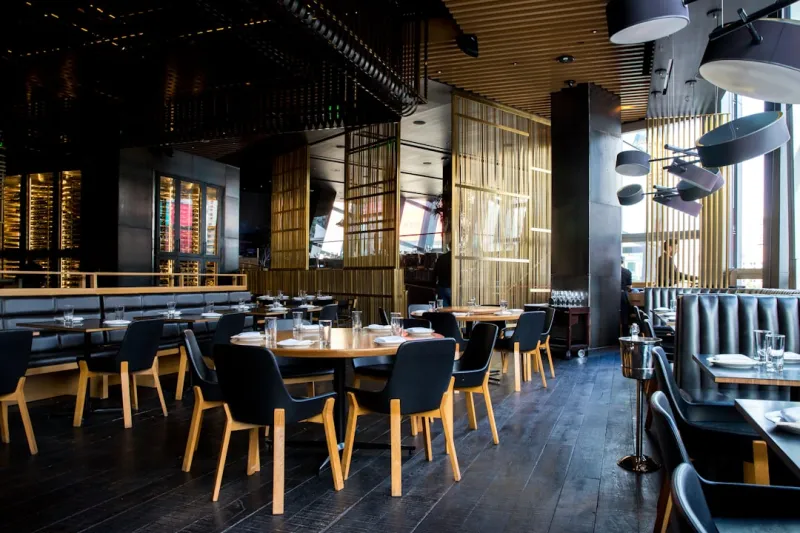
How I’m Navigating the Hottest Restaurant Trends of 2024
Shawn DesRochers uncovers 2024’s restaurant revolutions, from hyper‑local menus and tech‑savvy... Read More

The Pop‑Up Kitchen Revolution: How Hyper‑Local Dining Is Redefining Restaurants
Discover the rise of hyper‑local pop‑up kitchens, where community spaces, sustainability, and se... Read More

Ottawa on the Rise: Discover Four of Canada's Top Restaurants
Ottawa might be known for its Parliament buildings and historical significance, but a culinary revol... Read More
Top Posts
Composite SaaS Bundles: The Hidden Engine of Smarter Savings
Learn how strategic composite bundling transforms simple discounts into a powerful savings engine, driving higher revenue, lower churn, and stronger partner eco...Read More

The Dark Side of Rural Living: A Parental Warning
Rural living can be a wonderful experience, but it's essential to be aware of the potential challenges and dangers. Learn how to mitigate risks and create a saf...Read More

Reeling Through Ontario: Seasons, Secrets, and Stories
From spring melt to winter ice, I share Ontario’s prime fishing spots, secret gems, and tasty ways to bring the catch to your table, all while honoring the la...Read More

Citizen Assemblies: Re‑energizing Canadian Democracy
A deep dive into citizen assemblies as a fresh democratic tool, blending Indigenous consensus traditions with technology to reshape Canada’s political landsca...Read More
0 Comments
Post Comment
You will need to Login or Register to comment on this post!