

From Alleyways to Augmented Reality: The Pop‑Up Revolution Changing Canadian Entertainment
When I first stepped onto a makeshift stage tucked behind a downtown coffee shop in Vancouver, I expected the usual open‑mic jitters and a half‑hearted applause. What I got instead was a kinetic blend of live music, interactive projections, and a crowd that felt more like a community gathering than a passive audience. It was a glimpse of a larger movement that’s quietly reshaping how Canadians create, consume, and talk about entertainment.
In the past decade, the country’s cultural landscape has been dominated by big‑ticket festivals, streaming giants, and polished theatrical productions. Those formats still matter, but a parallel universe has emerged—one where the pop‑up stage is the star. From pop‑up comedy clubs in repurposed warehouses to immersive VR storytelling pods in the heart of Montréal, these temporary venues are turning the traditional entertainment model on its head.
Why Pop‑Up Venues Are Gaining Traction
There are three core reasons why this micro‑venue phenomenon is thriving across Canada:
- Flexibility. Without the overhead of a permanent lease, organizers can experiment with bold concepts, test new talent, and pivot quickly based on audience feedback.
- Community focus. Pop‑ups often arise from grassroots initiatives, giving local artists a platform to showcase work that might be too niche for mainstream venues.
- Technological integration. The rise of affordable AR/VR gear, portable sound systems, and digital ticketing tools makes it easier than ever to create high‑quality experiences on a shoestring budget.
These factors dovetail nicely with Canada’s cultural ethos—celebrating diversity, supporting local economies, and embracing innovation. The result is a vibrant ecosystem where a pop‑up can be as simple as a street corner acoustic set or as elaborate as a fully immersive, multi‑sensory theater piece.
Case Study: The “Northern Lights” Pop‑Up Concert Series
Every summer, a collective of indie musicians, visual artists, and tech enthusiasts launch a traveling concert series they call “Northern Lights.” The concept is deceptively simple: set up a temporary stage in an unexpected location—an abandoned train station, a community garden, even a rooftop helipad—then blend live music with synchronized light shows powered by drone choreography.
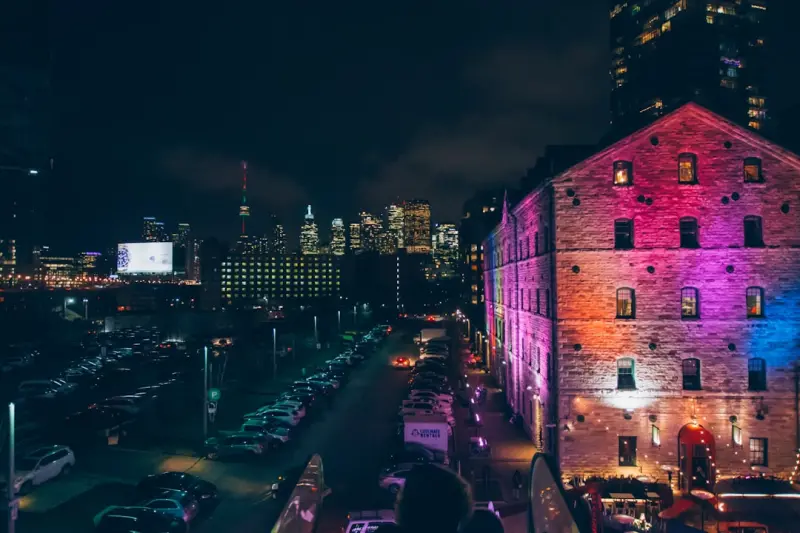
The series began in Saskatoon’s historic grain elevators and quickly spread east to Toronto’s Distillery District and west to Victoria’s waterfront. What started as a one‑off experiment now draws crowds of 500‑plus attendees per stop, and the buzz has even attracted sponsorship from local breweries and tech startups.
What makes “Northern Lights” particularly noteworthy is its commitment to “local‑first” booking. Each stop highlights musicians from the host city, giving emerging talent a chance to perform alongside more established acts. The result is a palpable sense of pride that resonates with both artists and audiences.
Immersive Storytelling: When VR Meets the Stage
While the pop‑up concert model is gaining momentum, a second wave of innovation is happening in the realm of immersive storytelling. In Toronto’s Queen West neighbourhood, a small collective has turned a vacant retail space into a “Story Lab” where visitors don VR headsets and become part of a narrative that blends live actors, motion‑capture technology, and interactive sound design.
The experience, titled “Echoes of the North”, invites participants to navigate a digitally rendered Canadian wilderness while real‑time actors respond to their choices. The narrative is rooted in Indigenous folklore, and the collective works closely with First Nations storytellers to ensure cultural authenticity.
What’s striking about this model is its hybrid nature: it marries the intimacy of live theatre with the limitless possibilities of virtual environments. The space is temporary—set up for a six‑week run—yet the impact is lasting. Attendees leave not just entertained, but educated about the stories and traditions that shape Canada’s identity.
Pop‑Up Comedy: Laughter in Unexpected Places
Comedy has always been a staple of Canadian culture, but the pandemic forced many clubs to shutter their doors. In response, comedians across the country have turned to pop‑up formats to keep the jokes flowing. The “Laugh‑Loud” series, for instance, transforms parking lots, laundromats, and even grocery store aisles into comedy clubs for a single night.
By using portable sound rigs and low‑light “club” lighting, these shows capture the essence of a traditional venue while offering a fresh, spontaneous vibe. Audience members often become part of the act, with comedians riffing off the unique setting—imagine a set about grocery store politics delivered between the cereal aisles.
What started as a stopgap measure has become a beloved staple in cities like Halifax and Winnipeg. The format’s low entry cost also means comedians can experiment with edgier material without the pressure of filling a large, ticket‑priced hall.
From Pop‑Up to Permanent: When Temporary Success Sparks Long‑Term Change
One fascinating outcome of the pop‑up surge is its ability to seed permanent cultural institutions. A handful of pop‑up venues that demonstrated consistent demand have transitioned into fixed‑location theatres or galleries. For example, a seasonal pop‑up cinema in Calgary’s Beltline—originally a makeshift screen in a parking garage—raised enough community support to secure a lease on a former library, now operating as a year‑round indie film house.
This evolution underscores a broader truth: temporary experiences can act as low‑risk pilots for larger projects. By gauging audience interest in real time, organizers can make data‑driven decisions about whether to invest in a permanent space.
Leveraging Community‑Driven Pop‑Ups for Wider Reach
Businesses outside the traditional entertainment sphere are also catching on. Restaurants, for instance, have begun hosting live music or theater pop‑ups to attract foot traffic during slower periods. One notable example is the community‑driven pop‑up model that pairs local chefs with emerging musicians, creating a symbiotic relationship that boosts both culinary and cultural experiences.
This cross‑industry collaboration is especially effective in smaller towns where resources are limited but community spirit runs deep. By sharing space and promotional channels, both the venue and the performers gain visibility that would be harder to achieve independently.
Seasonal Pop‑Ups: Turning Winter Into a Stage
Canada’s climate, often seen as a barrier to outdoor events, is being reimagined as a creative canvas. In cities like Edmonton and Quebec City, organizers set up heated pop‑up performance tents that host everything from acoustic folk nights to indie film screenings. The cozy, intimate atmosphere encourages audiences to linger longer, turning a chilly evening into a memorable cultural outing.
These winter pop‑ups often integrate local artisans, offering handcrafted hot drinks, blankets, and even mini‑workshops on topics like snowshoeing or ice‑carving. The result is a multi‑sensory experience that celebrates both the season and the local creative economy.
For readers interested in how winter events are breathing new life into Canadian social scenes, the recent winter street fairs article provides a deeper dive into this growing trend.
Challenges: Navigating Permits, Weather, and Audience Expectations
Despite their many advantages, pop‑up ventures are not without hurdles. Securing permits for temporary structures can be a bureaucratic maze, especially in densely populated urban cores. Weather remains an unpredictable variable; a sudden rainstorm can jeopardize an outdoor concert in seconds.
Furthermore, audience expectations are evolving. While many attendees relish the novelty, they also expect production values that rival permanent venues—high‑quality sound, clear visuals, and comfortable seating. Balancing these expectations with limited budgets requires clever problem‑solving, such as using modular sound panels that can be assembled and disassembled quickly.
Future Outlook: The Next Wave of Pop‑Up Innovation
Looking ahead, several trends are poised to shape the next chapter of Canada’s pop‑up entertainment scene:
- Hybrid Physical‑Digital Events. As streaming technology improves, many pop‑ups will offer simultaneous online broadcasts, expanding their reach beyond the physical location.
- AI‑Powered Personalization. While not a focus of this article, emerging AI tools can tailor setlists or story arcs in real time based on audience reactions captured through mobile apps.
- Sustainable Practices. Organizers are increasingly adopting eco‑friendly measures—reusable signage, solar‑powered lighting, and zero‑waste concessions—to align with Canada’s broader environmental goals.
- Cross‑Cultural Collaborations. Expect more projects that blend Indigenous narratives, Francophone traditions, and multicultural influences, reflecting Canada’s rich tapestry of identities.
In essence, the pop‑up model is proving that entertainment doesn’t need a permanent marquee to be impactful. By embracing flexibility, community, and technology, Canada’s creators are crafting experiences that feel both intimate and grand—right in the heart of neighborhoods, under the open sky, or within a portable VR pod.
Whether you’re an artist looking for a low‑risk platform, a venue owner seeking fresh programming, or a cultural enthusiast hunting the next hidden gem, keep an eye on the streets, warehouses, and pop‑up tents. The future of Canadian entertainment is being built one temporary stage at a time, and it’s as exciting as it is unpredictable.

Related Posts

Canada’s Comedy Renaissance: From Local Clubs to Global Spotlights
A deep dive into Canada’s thriving comedy scene, revealing how regional hubs, digital tools, and c... Read More
Hybrid Stages: How Canada’s Live Entertainment Is Going Digital
Canada’s entertainment scene is undergoing a digital renaissance, blending live performances with ... Read More

From Stage to Street: How Canada’s Live Storytelling is Redefining Entertainment
Canadian audiences are flocking to pop‑up storytelling events, where local voices, indie theater, ... Read More
Top Posts
Hidden Costs of Modern Living and How to Cut Them
Explore the unseen expenses that silently drain your wallet and get actionable tips to cut costs, from subscription audits to community resources....Read More

The Suburban Shift: Rebalancing Cost of Living with Multi‑Generational Living
Multi‑generational living is emerging as a strategic response to Canada’s rising cost of living, offering financial savings, shared responsibilities, and st...Read More

Co‑Creation Marketing: Turning Communities into Creative Powerhouses
Learn why community co‑creation is the next big shift in marketing, how to implement it ethically, and the tools that turn customer ideas into brand growth....Read More

Canada’s Esports Surge: From Basement Tournaments to City‑Scale Economic Engines
From modest gaming lounges to massive arenas, Canada’s esports industry is transforming entertainment, driving local economies, and reshaping cultural narrati...Read More
0 Comments
Post Comment
You will need to Login or Register to comment on this post!