

Understanding the Body’s Internal Clock
Every 24‑hour cycle, our bodies run a sophisticated timetable known as the circadian rhythm, orchestrating hormone release, digestion efficiency, and cellular repair with astonishing precision; when we eat at odds with this schedule, we force metabolic pathways to operate under suboptimal conditions, leading to spikes in insulin, increased inflammation, and disrupted sleep patterns. Chrononutrition leverages this natural rhythm, encouraging meals that complement the peaks and troughs of digestive enzyme activity, gut motility, and hormone sensitivity, ultimately turning food into a tool for restoring hormonal harmony rather than a source of chronic stress. Research from chronobiology labs shows that aligning breakfast with the cortisol awakening response, consuming a protein‑rich lunch when insulin sensitivity is highest, and tapering carbs toward the evening can sharpen mental clarity, stabilize blood sugar, and support weight management without restrictive dieting.
The Science Behind Meal Timing
Studies involving shift workers and time‑restricted feeding trials reveal that even a modest 8‑hour eating window, anchored to daylight hours, can recalibrate peripheral clocks in the liver, pancreas, and adipose tissue, reducing the risk of metabolic syndrome and cardiovascular disease; this is because the master clock in the suprachiasmatic nucleus synchronizes peripheral clocks through hormonal cues and body temperature fluctuations, which are themselves influenced by light exposure and activity levels. When meals are consumed late at night, the body’s melatonin surge—intended to promote rest—conflicts with digestive processes, impairing glucose tolerance and encouraging fat storage, a phenomenon captured in the phrase “night eating is the new smoking.” By respecting the temporal hierarchy of nutrient processing, we can harness the body’s innate timing mechanisms to optimize energy utilization and protect long‑term health.
Practical Steps to Start Chrononutrition
Begin by mapping your typical daily schedule, noting wake‑up time, work patterns, and natural light exposure, then experiment with a consistent breakfast within the first hour of waking, emphasizing protein, healthy fats, and low‑glycemic carbs to fuel the cortisol‑driven metabolic surge; a bowl of Greek yogurt with nuts and berries, for example, provides a balanced macronutrient profile that stabilizes blood sugar while supporting gut health. Community health resources such as pharmacist‑led clinics can offer personalized timing advice, blood glucose monitoring, and nutrient testing to fine‑tune your eating window, ensuring that you’re not merely guessing but following evidence‑based protocols. As the day progresses, aim for a substantial, balanced lunch around midday when insulin sensitivity peaks, incorporating lean proteins, complex carbohydrates, and plenty of colorful vegetables to sustain energy and prevent the mid‑afternoon slump. Finally, transition to a lighter dinner no later than three hours before bedtime, focusing on fiber‑rich veg, modest protein, and minimal starches to avoid overstimulating the digestive system during the body’s natural wind‑down phase.
Adapting Chrononutrition to a Busy Lifestyle
For professionals juggling remote work, meetings across time zones, or irregular shift patterns, flexibility is key; rather than rigidly adhering to a fixed clock, consider a “relative window” approach that anchors meals to your personal sunrise—whether that’s a literal sunrise or the moment you first turn on the lights in the morning—thereby preserving the alignment between light exposure and eating patterns. Portable meal prep containers, pre‑portioning snacks, and using apps that track eating times can simplify adherence, while strategic caffeine placement—such as a morning espresso and an early‑afternoon green tea—can boost alertness without compromising the evening wind‑down. If occasional late‑night meals are unavoidable, mitigate their impact by choosing easily digestible, low‑glycemic options like a small serving of cottage cheese with cucumber, and pairing them with a brief walk to aid circulation and promote melatonin production.
Linking Food Quality with Chrononutrition
The timing of meals is only half the equation; the quality of nutrients you ingest must also resonate with the body’s circadian demands, and this is where the concept of “soil health and nutrition” becomes relevant; foods grown in regenerative agricultural systems tend to boast higher micronutrient density, antioxidants, and phytonutrients, which synergize with the body’s rhythmic hormone release to enhance detoxification pathways and support immune function. By choosing seasonal produce from farms that practice regenerative methods, you not only reduce exposure to synthetic chemicals but also align your diet with the natural harvest cycles that have historically dictated human eating patterns, reinforcing the evolutionary relationship between diet and circadian biology. Integrating these nutrient‑dense foods into your chrononutrition plan—such as a spring salad of leafy greens, radishes, and fermented carrots for lunch—can amplify the benefits of timing by delivering bioactive compounds precisely when the gut’s absorptive capacity is at its peak.
Chrononutrition for Specific Health Goals
Whether your aim is weight loss, improved athletic performance, or enhanced cognitive function, tailoring meal timing to your specific objectives can produce measurable results; athletes, for instance, may benefit from a carbohydrate‑rich snack 30‑45 minutes before training to capitalize on elevated glucose uptake, followed by a protein‑heavy recovery meal within two hours post‑exercise to optimize muscle protein synthesis during the post‑exercise anabolic window. For those focused on brain health, incorporating omega‑3‑rich foods like wild salmon or chia seeds during the mid‑day meal can coincide with peak cerebral blood flow, supporting neuroplasticity and memory consolidation, while a modest serving of tart cherry juice in the evening can boost melatonin levels, fostering restorative sleep that consolidates learning. By mapping nutrient timing to the physiological demands of each goal, chrononutrition transforms generic dietary advice into a precision tool for targeted health outcomes.
Potential Pitfalls and How to Avoid Them
While the benefits of aligning meals with your internal clock are compelling, common missteps can undermine progress; one frequent error is over‑restricting the eating window to the point of chronic calorie deficit, which can trigger stress hormones, disrupt thyroid function, and ultimately sabotage metabolic health—balance is essential, and a modest 10‑hour window often proves sustainable for most adults. Another trap is neglecting hydration; the circadian system also regulates kidney function, and insufficient water intake, especially during the early part of the day, can impair waste elimination and exacerbate morning fatigue. Finally, be wary of using chrononutrition as an excuse for unhealthy food choices; timing cannot compensate for a diet high in processed sugars and trans fats, and the synergistic effect of proper timing with nutrient quality is what drives lasting health improvements.
Long‑Term Outlook: Making Chrononutrition a Lifestyle
Embedding chrononutrition into everyday life requires a mindset shift from viewing meals as isolated events to seeing them as rhythmic cues that communicate with every cell in the body; this perspective fosters greater self‑awareness, encouraging you to listen to hunger signals, energy fluctuations, and sleep quality as feedback loops that guide adjustments to your eating schedule. Over months, many individuals report steadier energy levels, reduced cravings, and improved mood, outcomes that echo the broader principles of circadian health championed by sleep scientists and nutritionists alike. As research continues to uncover the molecular pathways linking meal timing to gene expression, the practice of chrononutrition is poised to become a cornerstone of preventive medicine, empowering individuals to harness the power of time itself in the pursuit of optimal health.

Related Posts

How Biofeedback Wearables Are Redefining Everyday Wellness
Explore how wearable biofeedback devices turn hidden physiological signals into actionable habits, h... Read More
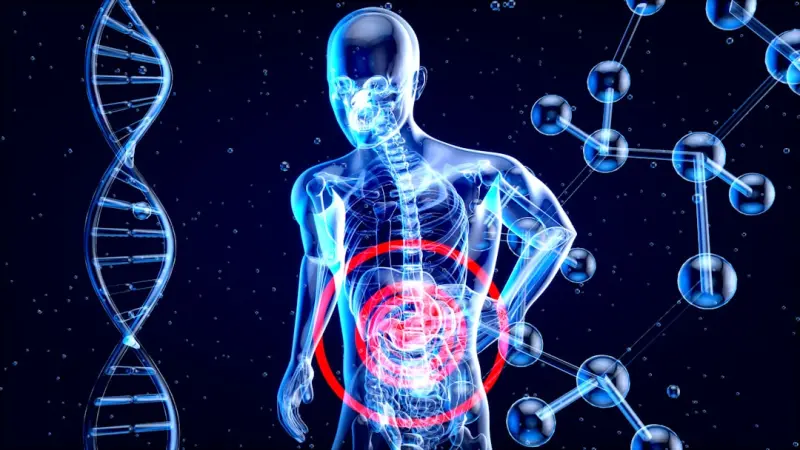
Why Your Gut Microbiome Is the Missing Piece in Modern Wellness
A deep dive into how gut microbiome testing, AI-driven insights, and community‑owned data networks... Read More

The Quiet Health Revolution: Reclaiming Wellness in a Hyper‑Connected World
A deep dive into how constant screen time disrupts gut health, mental stamina, and overall wellnessâ... Read More
Top Posts

The Rise of Sustainable Tourism: A New Era for Travel
The rise of sustainable tourism is a growing trend that's transforming the way we travel. By being mindful of the environment, culture, and local communities, w...Read More

The Connection Between Rural Mental Health and Canadian Cuisine
The connection between rural mental health and Canadian cuisine is complex and multifaceted. Learn how food, culture, and identity intersect to promote mental w...Read More

Why Canada’s Health System Is Pivoting to Community‑First Care
A deep dive into Canada’s shift toward community‑first healthcare, highlighting telehealth integration, expanded pharmacist roles, data‑driven local gover...Read More

Legal Strategies Every Influencer Needs to Thrive in the Digital Age
A practical guide for creators on contracts, intellectual property, privacy, and taxes, ensuring legal security and long‑term success in the influencer econom...Read More
0 Comments
Post Comment
You will need to Login or Register to comment on this post!