

When I first stumbled upon a 5‑minute breathing exercise during a hectic conference, I expected nothing more than a quick mental reset. What I didn’t anticipate was the lingering sense of vitality that followed—a subtle, yet unmistakable lift in my energy and a noticeable decrease in the lingering fatigue that had become my daily companion. That moment sparked a curiosity that has since evolved into a deep dive into the science, tradition, and everyday practicality of breathwork as a cornerstone of immune health.
Why Breath Matters More Than We Think
Breathing is the one physiological function we perform continuously, often without conscious thought. While most of us associate it with oxygen delivery, the act of breathing is also a powerful regulator of the nervous system, hormonal balance, and—crucially—immune response. The ancient yogic sages understood this link, referring to the breath as prāṇa, the life force that animates the body. Modern researchers now confirm that intentional breath patterns can modulate inflammation, improve lymphatic flow, and even influence the expression of genes tied to immunity.
The Science Behind Breath and Immunity
Two primary mechanisms explain how breathwork can boost immune function:
- Autonomic Nervous System Balancing: Slow, diaphragmatic breathing activates the parasympathetic branch, reducing cortisol spikes that suppress immune activity.
- Lymphatic Mobilization: Deep inhalations create gentle pressure changes that facilitate the movement of lymph—a fluid rich in white blood cells—through the body’s drainage network.
Studies published in peer‑reviewed journals demonstrate that participants practicing paced breathing for just 10 minutes a day experience a measurable rise in natural killer (NK) cell activity, a frontline defense against viral infections. Moreover, a recent trial linked consistent breathwork to lower levels of C‑reactive protein (CRP), a marker of systemic inflammation.
Three Everyday Breathwork Techniques You Can Start Right Now
Below are three evidence‑based practices that require no equipment, minimal time, and can be performed virtually anywhere—from a home office desk to a bustling subway platform.
- Box Breathing (4‑4‑4‑4)
Inhale for four counts, hold for four, exhale for four, and hold again for four. This rhythmic cycle stabilizes heart rate variability, a key indicator of autonomic balance.
- Coherent Breathing (5‑5)
Inhale for five seconds, exhale for five seconds, aiming for a steady six breaths per minute. This pace aligns with the heart’s resonant frequency, enhancing vagal tone and thus supporting immune regulation.
- Alternate Nostril Breathing (Nadi Shodhana)
Close the right nostril, inhale through the left for a count of four; close the left, exhale through the right for four. Then inhale right, exhale left. This technique balances the brain’s hemispheres and has been shown to reduce inflammatory cytokines in preliminary studies.
Integrating Breathwork into a Busy Life
One of the biggest barriers to adopting new health habits is perceived time scarcity. Here’s how you can weave breathwork seamlessly into daily routines:
- Morning Trigger: Pair your first cup of coffee with a two‑minute box breathing session before you even lift the mug.
- Screen Breaks: Use every 90‑minute computer cycle as a cue to stand, stretch, and practice coherent breathing for one minute.
- Commute Companion: While waiting for a train, engage in alternate nostril breathing—no headphones required.
- Meal Transition: Before each meal, take three deep diaphragmatic breaths to stimulate the vagus nerve, which aids digestion and nutrient absorption.
Beyond Breath: Complementary Practices for Immune Resilience
Breathwork shines brightest when paired with other lifestyle pillars. Consider integrating these low‑effort habits alongside your new breathing routine:
- Grounded Movement: Short bouts of walking or gentle stretching keep circulation flowing, supporting the lymphatic system that breathwork helps mobilize.
- Sunlight Exposure: Ten minutes of natural light each morning calibrates circadian rhythms, which in turn optimize hormone release that influences immune health.
- Hydration with Purpose: Sipping warm water infused with a splash of citrus can aid mucosal barriers—an essential first line of defense.
Real Stories from the Community
Since sharing my own breathing experiment on social media, dozens of readers have reported tangible health shifts. Here are a few snapshots:
- Amanda, a remote graphic designer: “After three weeks of box breathing during my midday breaks, I noticed fewer colds and a calmer mindset during client calls.”
- Javier, a high‑school teacher: “Alternate nostril breathing before grading papers reduced my tension headaches and helped me stay focused longer.”
- Lena, a new mother: “Coherent breathing during late‑night feedings kept my anxiety in check and seemed to help my baby sleep more soundly.”
Getting Started: A 30‑Day Breathwork Challenge
To make the practice stick, I’ve designed a simple challenge that builds momentum without overwhelming you. The schedule below assumes a modest time commitment—just five minutes a day.
| Day | Technique | Duration |
|---|---|---|
| 1‑5 | Box Breathing | 2 minutes |
| 6‑10 | Coherent Breathing | 3 minutes |
| 11‑15 | Alternate Nostril Breathing | 3 minutes |
| 16‑20 | Mix of Box & Coherent | 4 minutes |
| 21‑25 | Mix of All Three | 5 minutes |
| 26‑30 | Personal Favorite (any) | 5 minutes + reflection |
At the end of each week, jot down any changes in energy, sleep quality, or frequency of minor ailments. Tracking these subtle shifts helps reinforce the habit and provides personal data that mirrors the broader trends emerging in interoperable health data movement.
From Breath to Community: Scaling the Impact
Imagine a workplace that embeds a two‑minute breathing checkpoint into every meeting agenda, or a school that begins each class with a shared breath rhythm. Such micro‑interventions could collectively shift population health metrics, much like the surge of interest we saw with urban microgreens and their ripple effect on nutrition awareness. By normalizing breathwork as a public health tool, we create a low‑cost, high‑return strategy that complements more technology‑heavy solutions like wearable tech monitoring.
Ultimately, the power of breath lies in its accessibility. No subscription, no app, no lab coat—just the simple, rhythmic rise and fall of air that has sustained humanity for millennia. By reclaiming this innate tool, we empower ourselves and our communities to meet today’s health challenges with a steadier heart, clearer mind, and a more resilient immune system.

Related Posts

Breathing New Life Into Hybrid Work: Unlocking Health Benefits with Intentional Breathwork
A deep dive into how simple breathing techniques can transform hybrid work life, linking stress redu... Read More

The Unseen Struggles of Rural Mental Health in Canada
The unseen struggles of rural mental health in Canada are a critical issue that requires our attenti... Read More

How Your Gut’s Hidden Conversation Shapes Everyday Health
Explore the gut‑brain connection and learn simple, science‑backed habits—from food to sleep an... Read More
Top Posts

The Hidden Expenses Shaping Your Gig Economy Lifestyle
Freelancers often overlook hidden costs like subscriptions, health insurance, and transportation. This article breaks down those expenses and offers practical t...Read More
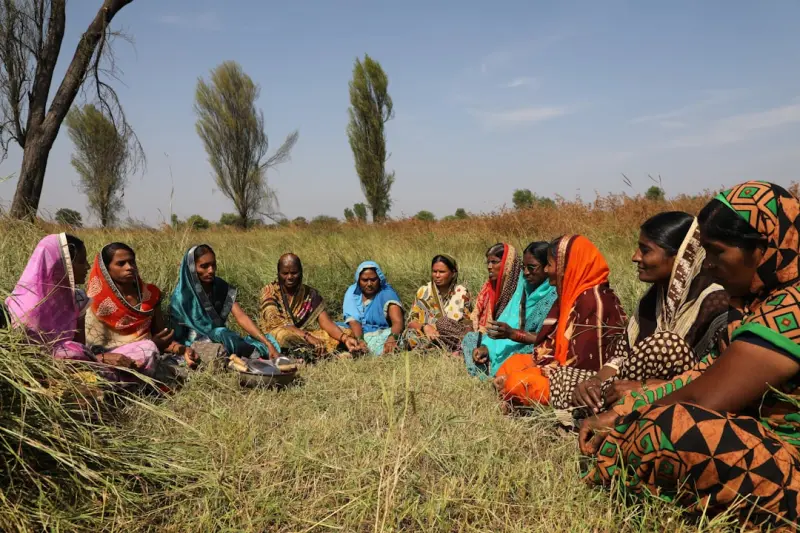
Indigenous‑Led Health Initiatives: Reclaiming Wellness Across Canada
Discover the rise of Indigenous‑led health centres, their holistic blend of tradition and technology, and how they’re redefining Canada’s healthcare lands...Read More

Why Hyperlocal Sourcing Is the Secret Sauce for Modern Restaurants
An in‑depth look at how turning to nearby farms and producers can lower costs, reduce waste, and deepen customer loyalty, offering restaurants a fresh competi...Read More

Sensing Flavor: How Sound, Light, and Aroma Are Redefining the Restaurant Experience
Restaurants are turning ambience into a competitive edge by using curated soundscapes, smart lighting, and subtle aromas to enhance flavor perception and drive ...Read More
0 Comments
Post Comment
You will need to Login or Register to comment on this post!