
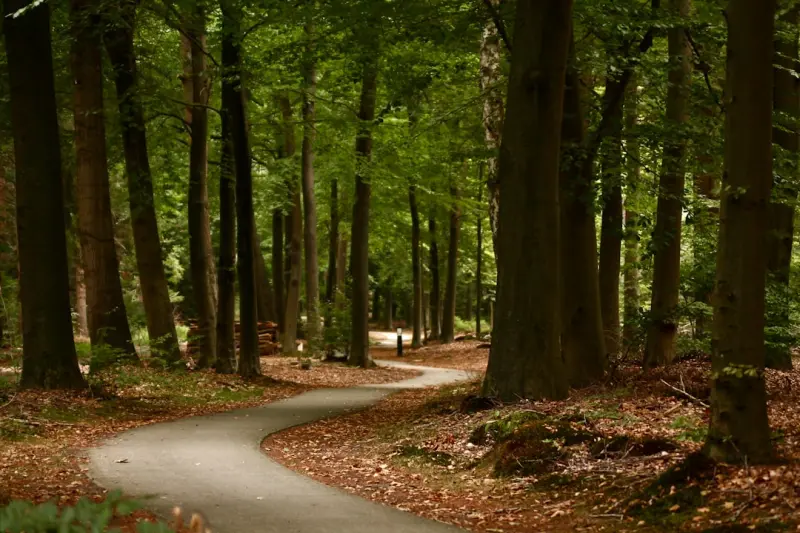
Why the Modern World Needs a Dose of Forest Wisdom
Every day, our smartphones buzz, inboxes overflow, and the line between work and home blurs into a relentless hum. I’ve felt that pressure in my own chest – a tightness that no amount of coffee or yoga seemed to loosen. What if the antidote isn’t another app or supplement, but a simple invitation to step into a tree‑filled corridor and let the forest do the heavy lifting? Forest bathing, known in Japan as shinrin‑yoku, invites us to slow down, breathe deeper, and reconnect with the living pulse of the woods. It’s a practice that feels both ancient and startlingly modern, offering a reset button for a nervous system that’s been running on high alert for far too long.
The Roots of Forest Bathing and Its Global Rise
The term “forest bathing” first appeared in the 1980s when Japanese researchers began studying the health impact of spending intentional time among trees. Their findings sparked a national movement, and soon the practice crossed borders, finding eager followers in Europe, North America, and beyond. Today, guided walks, park programs, and even corporate wellness retreats incorporate the method, proving that the desire to be enveloped by greenery transcends culture. I first encountered it during a weekend retreat in the Cascades, where the canopy filtered light into a soft, emerald glow and the air smelled of pine resin. That experience shifted my perception of “exercise” from a chore to a reverent, sensory ritual.
Science Says: How Trees Talk to Your Body
Researchers have measured a cascade of physiological changes when participants engage in forest bathing. Cortisol levels – the hormone that spikes during stress – drop significantly after just 15 minutes of gentle immersion among trees. Simultaneously, natural killer (NK) cell activity, a key component of our immune defense, ramps up, suggesting a boost in the body’s ability to fend off illness. The subtle, rhythmic sounds of leaves rustling stimulate the vagus nerve, which in turn promotes parasympathetic dominance, the “rest‑and‑digest” state we all crave. A 2019 meta‑analysis of over a dozen studies concluded that regular exposure to forest environments can lower blood pressure, improve sleep quality, and even enhance mood for up to three months after the experience.
Getting Started: A Beginner’s Guide to Your First Forest Bath
Don’t feel you need a mountaineering degree or specialized gear – the forest is a generous host. Choose a nearby woodland that feels safe and accessible; a local park, a municipal trail, or a private conservation area works perfectly. Dress in layers, wear comfortable shoes, and leave gadgets behind or on silent mode. Begin by standing still, inhaling the scent of earth and resin, then slowly wander, allowing your senses to lead rather than a predetermined route. Pay attention to texture underfoot, the temperature of the air on your skin, and the shifting light patterns. Aim for at least 30 minutes of unhurried presence, and notice how the minutes melt together without the usual clock‑driven pressure.
Aligning with Nature’s Calendar: The Power of Seasonal Homekeeping
One of the most rewarding aspects of forest bathing is learning to move with the seasons, a concept echoed in seasonal homekeeping. In spring, the forest is a chorus of fresh buds and birdsong; summer offers dense shade and the hum of insects; autumn paints the canopy in fiery hues while the ground crunches underfoot; winter, if you’re brave enough, reveals a quiet, crystalline stillness. Each season presents a unique set of sensory cues and health benefits – from the invigorating lift of spring’s chlorophyll to the grounding calm of winter’s hush. By syncing your walks with these natural rhythms, you amplify the restorative impact and deepen your connection to the ecosystem’s cyclical wisdom.
Listening Deeply: How Sound Transforms the Forest Experience
While visual beauty is obvious, the auditory landscape of a forest holds profound therapeutic power. The gentle rustle of leaves, the distant call of a woodpecker, and the subtle pop of a sapling shedding buds create a soundscape that can lower heart rate and foster mindfulness. This idea is explored in how sound transforms travel experiences, and it applies directly to forest bathing. As you walk, try to isolate each layer of sound, letting them rise and fall like waves. Notice how the forest’s “white noise” masks urban distractions, allowing the brain to reset its default mode network and promote creative thought. The practice of deep listening not only heightens presence but also trains the auditory system to appreciate subtleties that often go unnoticed in daily life.
Micro‑Movements in the Woods: Gentle Motion for Big Benefits
Even the smallest gestures become meaningful when performed amid trees. A deliberate stretch, a slow turn of the head, or a mindful reach for a fern leaf engages muscle fibers without the intensity of a workout, yet still stimulates circulation and joint mobility. These subtle actions echo the philosophy of “micro‑movements” – tiny habits that compound into lasting health gains – but they’re uniquely rooted in the forest context. As you pause to admire a moss‑covered log, let your shoulders roll back, your spine elongate, and your breath deepen. The forest becomes both a backdrop and a partner, encouraging fluid motion that feels natural, unforced, and deeply restorative.
Community Forest Bathing: Building Bonds Under the Canopy
Sharing the forest experience with friends, family, or a local group adds another layer of enrichment. Group walks foster conversation, laughter, and collective mindfulness, turning an individual practice into a communal ritual. Many parks now host guided sessions where participants learn to synchronize breathing, move together, and reflect on shared sensations. This social dimension mirrors the way traditional Indigenous cultures gathered around fire circles for healing, reinforcing the idea that health is not just personal but relational. By inviting others into your forest journey, you cultivate a supportive network that extends the benefits beyond the trees and into everyday life.
Integrating Forest Bathing Into Your Daily Routine
To make forest bathing a lasting habit, treat it like any other essential appointment. Mark it on your calendar, set realistic goals – perhaps a 30‑minute walk every Saturday morning – and observe how your mood, energy, and sleep evolve over weeks. Pair your walks with simple rituals: a gratitude journal entry after each session, a cup of herbal tea brewed with locally foraged herbs, or a brief meditation focused on the scent of pine. Over time, you’ll notice a subtle shift: stressors lose their edge, and everyday challenges feel more manageable. The forest, with its quiet wisdom, becomes a portable sanctuary you can return to whenever life feels overwhelming.

Related Posts

Why Microbreaks Are the New Fitness Trend
Microbreaks offer a powerful, science‑backed way to refresh mind and body. Learn practical steps t... Read More

Cold Exposure: Harnessing the Power of Ice for Everyday Health
Cold exposure isn’t a gimmick—it’s a science‑backed practice that sharpens mental clarity, a... Read More

Reclaiming Mental Immunity: A Digital Detox Blueprint
Learn how to build mental immunity through a sustainable digital detox, integrating screen audits, a... Read More
Top Posts

Flavor Alchemy: How Data is Transforming Home Cooking
Explore how modern data tools are unlocking new flavor pairings for home cooks, blending science with tradition to create exciting, personalized dishes....Read More

Exploring Canada’s Vibrant Entertainment Landscape
From summer music festivals to family-friendly attractions, explore Canada’s diverse entertainment scene and discover hidden gems that make every experience u...Read More

Rethinking Cost of Living: How Remote‑First SaaS Teams Are Shaping a New Financial Landscape
This article examines how remote‑first SaaS companies are redesigning compensation with location‑based stipends, digital‑nomad packages, and micro‑savin...Read More

Navigating the ESG Litigation Wave: A Practical Guide for Corporate Leaders
The rise of ESG litigation is reshaping corporate risk management. This guide breaks down why ESG claims are unique, highlights high‑risk sectors, and offers ...Read More
0 Comments
Post Comment
You will need to Login or Register to comment on this post!