
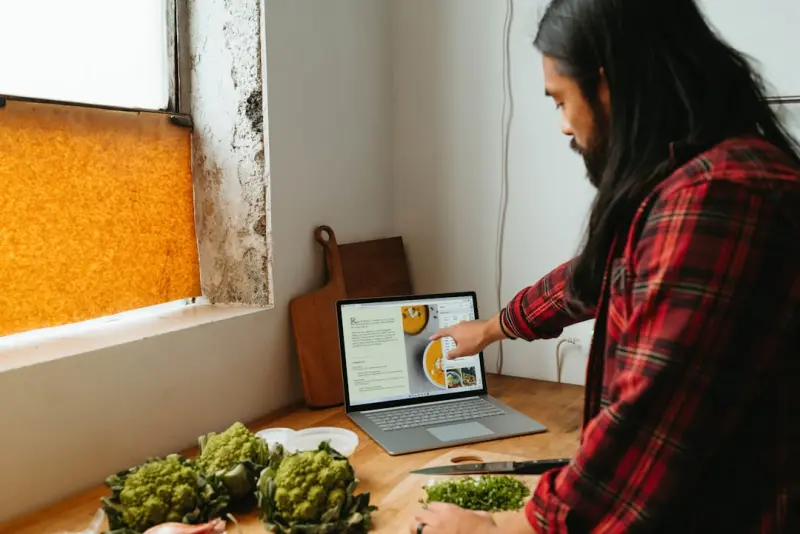
When I first heard the term “flavor alchemy,” I imagined a secret kitchen lab where chefs tossed exotic spices into a cauldron, chanting incantations while the aromas rose like smoke signals. The reality is far less theatrical but infinitely more exciting: data scientists, food historians, and everyday home cooks are teaming up to decode the chemistry of taste, turning what used to be guesswork into a precise, playful science. In my kitchen, I’ve swapped the old‑fashioned “I think this will work” mindset for a data‑driven approach, and the results have been nothing short of delicious revelation.
Why Data Belongs in the Pantry
For centuries, culinary traditions have been passed down through stories, apprenticeships, and the occasional accidental discovery (hello, chocolate chip cookie). Those stories are priceless, but they’re also limited by geography, memory, and personal bias. Today, we have the ability to aggregate millions of recipes, flavor compounds, and consumer preferences into searchable databases that reveal patterns no human brain could spot unaided.
Think of it as a massive, collaborative tasting panel that never sleeps. Every time someone uploads a recipe to a cooking app, rates a dish on a food blog, or posts a photo of their latest dinner on social media, they’re contributing a data point. When we map those points against the molecular profiles of ingredients—such as the 1,200 volatile compounds in basil or the 400‑plus flavor notes in dark chocolate—we start to see surprising pairings that have been underutilized in Western home cooking.
From Theory to Table: The Core Tools
The most popular toolkit for flavor alchemy includes three pillars: flavor compound databases, algorithmic pairing engines, and interactive platforms that let you experiment in real time. Below is a quick rundown of each, and how you can start using them today without a PhD in chemistry.
- Flavor compound databases like the National Data Commons catalog the chemical makeup of ingredients. They reveal why lemon pairs so well with fish (both share citral) or why strawberries and balsamic vinegar make a match made in heaven (they share ethyl acetate).
- Algorithmic pairing engines use machine learning to predict complementary flavors. Some platforms feed on the “food network” of recipes, while others focus on the “chemical network.” The former leans on cultural usage, the latter on pure molecular compatibility.
- Interactive platforms let you input what you have in the fridge, and they suggest pairings you might never have considered. It’s like having a sous‑chef who never sleeps and never judges your pantry choices.
Case Study: Reinventing the Classic Tomato Soup
Take the humble tomato soup—a staple that most of us have made at least once in a lifetime. Traditionally, it’s a blend of tomatoes, broth, a splash of cream, and maybe a hint of basil. Using a data‑driven pairing engine, I entered the base ingredients and let the algorithm suggest three “wildcards” to elevate the dish. The top suggestions were:
- Black garlic (rich in umami and a subtle sweet note)
- Roasted hazelnut oil (adds a nutty depth)
- Fermented kimchi juice (introduces a tangy, probiotic punch)
I was skeptical about the kimchi juice, but after a quick taste test, the soup transformed from a predictable comfort food into a complex, layered experience that felt both familiar and adventurous. The data didn’t just tell me what to add—it helped me understand why each addition worked, reinforcing my confidence to experiment further.
Bridging the Gap Between Tech and Tradition
One concern many home cooks share is that data‑driven cooking feels cold, overly scientific, or removes the soul from the process. I get it. The kitchen has always been a place for intuition, family memories, and a pinch of improvisation. The key is to treat data as a collaborator, not a commander.
When I’m planning a dinner for friends, I start with the emotional goal: a warm, convivial atmosphere. Then I consult the data for flavor pairings that support that vibe—think comforting spices, soothing textures, and a balanced palate. The final dish ends up feeling both intentional and heartfelt, because the numbers served my narrative rather than overriding it.
How Conversational Commerce is Shaping the Shopping Experience
Another fascinating development is the rise of conversational commerce platforms that act as personal grocery assistants. Imagine messaging a chatbot that not only knows you prefer organic produce but also suggests ingredients that complement your planned recipes based on flavor data. The bot can pull from local store inventories, alert you to sales, and even recommend alternative ingredients if something is out of stock—all in real time.
This seamless integration of shopping and cooking data reduces friction, making it easier to act on inspiration before it fizzles out. It’s the digital equivalent of a friendly neighbor popping over to share a fresh herb bundle, except the neighbor lives in your phone and knows exactly what you need for tonight’s experiment.
Flavor Pairing for Different Dietary Needs
Data isn’t just for gourmet adventurers; it can be a lifesaver for those navigating dietary restrictions. For instance, plant‑based eaters often struggle to replicate the depth of flavor found in meat‑based dishes. By analyzing the flavor compounds of umami‑rich ingredients—like mushrooms, miso, and fermented soy sauce—algorithms can suggest combinations that deliver that savory satisfaction without the animal product.
Similarly, low‑sodium diets benefit from data‑driven alternatives. Instead of relying solely on salt, the engine might recommend a blend of citrus zest, smoked paprika, and a dash of kelp powder to achieve a complex, salty‑like profile while keeping sodium counts low. The result is a dish that respects health constraints without compromising on taste.
Practical Steps to Start Your Own Flavor Journey
If you’re intrigued but unsure where to begin, here’s a simple roadmap:
- Pick a familiar recipe. Choose something you make often—perhaps a pasta sauce or a stir‑fry.
- Gather data. Use a free flavor‑pairing website or app that references a compound database.
- Identify one wildcard. Let the algorithm suggest an ingredient you don’t normally use.
- Test and taste. Add the wildcard in small increments, tasting as you go. Take notes on how it changes the flavor profile.
- Iterate. Adjust quantities, try additional wildcards, or combine two suggestions for layered complexity.
Keep a kitchen journal—digital or paper—where you record the pairings, the outcomes, and any personal observations. Over time, you’ll develop a personal “flavor map” that blends data insights with your own palate preferences.
The Future of Flavor: From Labs to Living Rooms
Looking ahead, I see a world where every kitchen appliance is “flavor‑aware.” Smart ovens could adjust temperature and steam levels based on the chemical composition of the dish, while refrigerators could alert you when an ingredient’s peak flavor window is closing. Imagine a voice‑activated assistant that says, “Your rosemary is at its most fragrant today—perfect for the roast you’re planning.”
While we’re still a few steps away from that fully integrated future, the building blocks are already here. The convergence of flavor science, machine learning, and conversational commerce is turning the art of cooking into a more informed, inclusive, and exhilarating practice. As a home cook, I feel like I’ve been handed a secret map that leads to countless undiscovered culinary treasures.
So next time you stand in front of your pantry, consider reaching for that unexpected ingredient your data‑driven sous‑chef recommended. You might just discover a new family favorite, and you’ll have a story to share—because the best recipes are those that combine the rigor of science with the warmth of tradition.

Related Posts

From Compost to Cocktail: Crafting Zero‑Waste Drinks That Delight the Palate
Discover the art of zero‑waste mixology: turn citrus peels, herb stems, and coffee grounds into fl... Read More
Umami Unlocked: Elevate Your Cooking with Natural Flavor Boosters
Learn the science behind umami and simple, natural ways to boost flavor in your cooking using everyd... Read More
Fermenting the Future: Turning Kitchen Scraps into Culinary Gold
Explore the art of home fermentation, turning everyday kitchen scraps into vibrant, probiotic-rich d... Read More
Top Posts

Cultivating Calm: Canadian Farmers Redefine Rural Wellness
Canadian growers are breaking silence on mental health, forming peer‑support circles, leveraging tele‑health, and integrating wellness hubs, reshaping rural...Read More

Why Psychological Safety Is the Missing Currency in B2B SaaS Growth
Psychological safety is the hidden asset that drives faster innovation, lower turnover, and higher ARR for B2B SaaS firms. Learn why it matters, how to measure ...Read More

Riding the Tariff Wave: A SaaS Playbook for Uncertain Trade Winds
Tariffs affect more than hardware costs—they ripple through SaaS operations, talent acquisition, and pricing. This guide shows how to map exposure, diversify ...Read More

Parental Warning: The Unseen Dangers Lurking in Kid‑Focused AI Filters
AI filters delight kids with instant visual magic, but they also collect biometric data, shape self‑image, and pose safety risks. This guide explains the hidd...Read More
0 Comments
Post Comment
You will need to Login or Register to comment on this post!