
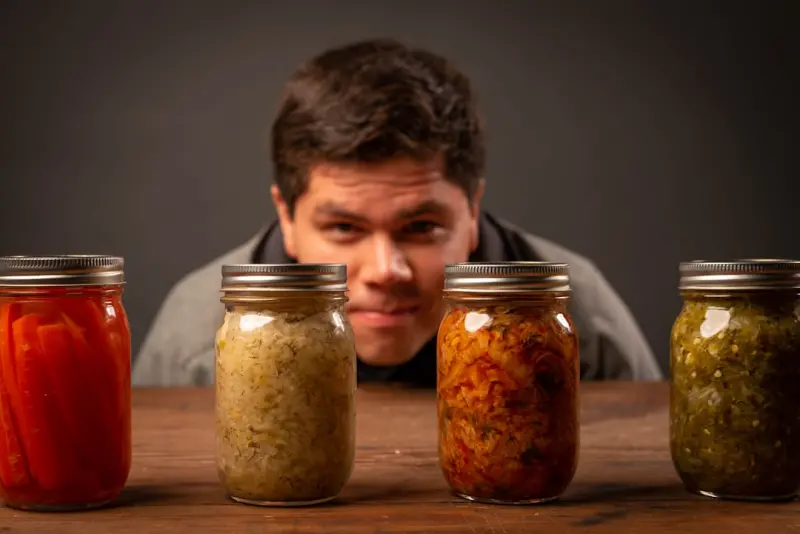
Fermented Futures: Unlocking Gut Health with Everyday Foods
When I first stumbled into a downtown farmer’s market, the scent of tangy kimchi and bubbling kombucha jars pulled me in like a magnetic force. I wasn’t looking for a culinary adventure; I was hunting for a snack that would actually do something for my body. What I discovered was a whole sub‑culture of micro‑be communities that have been quietly reshaping our relationship with food for centuries. Today, I’m pulling back the curtain on the fermented frontier and showing you how to make these probiotic powerhouses a staple in your kitchen, without needing a PhD in microbiology.
Why Fermentation Isn’t Just a Trend
Fermentation is often tossed around as a “hipster” food hack—think micro‑adventures for your palate. But the reality is far deeper. Our gut houses roughly 100 trillion microbes, a bustling metropolis that influences digestion, immunity, mood, and even cognition. The foods we choose can either nurture this ecosystem or starve it.
When you eat fermented foods, you’re essentially inoculating your gut with a curated cocktail of beneficial bacteria—Lactobacillus, Bifidobacterium, and their less‑celebrated cousins. These microbes help break down complex carbohydrates, synthesize vitamins (like K2 and certain B vitamins), and produce short‑chain fatty acids that reduce inflammation. In short, they’re the silent architects behind a resilient, adaptable immune system.
Beyond Sauerkraut: A Tour of Fermented Staples
Most Canadians think of sauerkraut and kefir when the word “fermented” pops up. While those are excellent starters, there’s a veritable cornucopia of options that can fit any dietary preference or cooking style.
- Kombucha – A lightly effervescent tea brewed with a SCOBY (symbiotic culture of bacteria and yeast). It’s a low‑calorie source of antioxidants and B‑vitamins.
- Kimchi – Korean cabbage mixed with radish, garlic, ginger, and gochugaru, then left to ferment. Its high fiber and probiotic content make it a gut‑friendly side dish.
- Miso – A Japanese paste made from fermented soybeans, rice, or barley. Miso adds umami depth to soups, marinades, and dressings while delivering a protein boost.
- Tempeh – Fermented soy cake with a firm, nutty texture. It’s a fantastic plant‑based protein source that’s easier to digest than plain soy.
- Fermented Pickles – Not the vinegar‑soaked variety, but the brine‑only versions where cucumber’s own sugars feed the bacteria.
- Fermented Garlic – A sweet, mellow alternative to raw garlic that’s easier on the stomach and packed with allicin.
Each of these foods brings a unique microbial profile, flavor palette, and set of nutrients. By rotating them throughout the week, you can keep your gut ecosystem diverse—a key factor in preventing dysbiosis, the microbial imbalance linked to everything from IBS to anxiety.
Building a Fermentation Corner in Your Home
Before you panic about needing a state‑of‑the‑art kitchen, let’s break it down to the basics. All you truly need is a clean glass jar, a breathable cover (like a cheesecloth or coffee filter), and a stable temperature zone (ideally 65‑75°F). The rest is a matter of patience and curiosity.
- Choose Your Vessel. Wide‑mouth mason jars (quart or pint) are perfect for most fermentations. For larger batches, consider a ceramic crocks.
- Pick Your Starting Culture. Some ferments, like sauerkraut, rely on the native bacteria on the vegetables. Others, like kombucha, need a starter culture (the SCOBY).
- Prep the Ingredients. Slice, shred, or grate your vegetables. Salt them—generally 2% of the weight of the produce—to draw out moisture and create a brine.
- Pack and Press. Pack the salted veggies tightly in the jar, ensuring they’re submerged beneath the brine. Use a weight or a clean stone to keep them down.
- Seal, but Breathe. Cover the jar with a breathable cloth secured with a rubber band. This keeps insects out while allowing gases to escape.
- Wait and Taste. Fermentation times vary: a few days for quick pickles, up to several weeks for robust sauerkraut. Taste daily after the third day; when the flavor hits that tangy sweet spot, it’s ready.
Pro tip: Keep a fermentation log. Note the date, temperature, salt ratio, and taste observations. Over time you’ll develop a personal “recipe” that matches your palate and health goals.
Fermentation Meets Sustainability
Fermenting isn’t just good for your gut; it’s a climate‑friendly practice. By extending the shelf life of produce, you reduce food waste—a major contributor to greenhouse gas emissions. In fact, the very farms that are pioneering regenerative agriculture (see Regenerative Roots) are also experimenting with on‑farm fermentation hubs, turning surplus crops into value‑added, probiotic‑rich foods.
This synergy between soil health and gut health is more than a buzzword. When farmers adopt no‑till, cover‑cropping, and diversified rotations, they boost soil microbiomes, which in turn improve the nutrient density of the crops. Fermenting those crops amplifies the microbial benefits, creating a virtuous loop from the field to the gut.
Science Spotlight: Fermented Foods and Mental Well‑Being
Emerging research is linking the gut‑brain axis to mood regulation. Certain strains found in fermented foods produce gamma‑aminobutyric acid (GABA), a neurotransmitter that calms the nervous system. A 2022 double‑blind study found that participants who consumed a daily serving of fermented vegetables reported a 30% reduction in perceived stress compared to a control group.
While we’re still untangling the precise mechanisms, the takeaway is clear: feeding your gut the right microbes can have ripple effects on your mental clarity, focus, and emotional resilience. That’s why I keep a jar of kimchi on my desk during hectic product sprints—it’s my secret weapon against decision fatigue.
Integrating Fermented Foods into a Busy Lifestyle
Let’s be honest: many of us juggle tight schedules, client calls, and endless to‑do lists. The idea of adding another prep step can feel daunting. Here’s how to make fermented foods a frictionless part of your day:
- Batch‑Prep for the Week. A single 2‑liter jar of sauerkraut can last you 10–12 servings. Portion it into small containers for grab‑and‑go lunches.
- Swap Out Condiments. Use miso paste instead of soy sauce, or a spoonful of fermented garlic puree in salad dressings.
- Blend Into Smoothies. A splash of kefir or a tablespoon of fermented oat yogurt adds creaminess and probiotic punch.
- Top Your Bowls. Sprinkle kimchi or pickled ginger on grain bowls, tacos, or avocado toast for instant flavor elevation.
- Keep a “Ferment Friday.” Dedicate one evening to start a new batch—think of it as a low‑key hobby that pays dividends all week.
By embedding these small habits, you turn fermentation from a novelty into a foundational element of your nutrition strategy.
Potential Pitfalls and How to Avoid Them
Fermentation is forgiving, but a few missteps can spoil the party:
- Over‑Salting. Too much salt can inhibit bacterial activity, leading to a slow or stalled ferment. Stick to the 2% rule.
- Improper Sealing. A sealed lid traps gases and can cause the jar to burst. Always use a breathable cover during active fermentation.
- Temperature Swings. Extreme heat can speed up fermentation and produce off‑flavors; cold can halt it entirely. Store jars in a cool, dark cupboard.
- Neglecting Hygiene. Wash hands, utensils, and jars thoroughly. Contamination can introduce unwanted molds.
If you ever spot fuzzy white or colored molds (other than the harmless kahm yeast, which looks like a thin, white film), discard the batch. It’s better to start fresh than risk foodborne illness.
From Kitchen to Community: Sharing the Fermented Wealth
One of the most rewarding aspects of fermentation is its communal nature. In many cultures, fermented foods are shared across generations—think of a family‑passed kimchi recipe or a communal kombucha brewing club. In our own neighborhoods, we can echo this tradition:
- Organize a “Ferment Swap” where neighbors trade jars of homemade miso, sauerkraut, or kefir.
- Host a virtual tasting session—invite friends to bring their latest batch and discuss flavors, textures, and health impacts.
- Partner with local cafés to feature a “Fermented Friday” menu, supporting small businesses while promoting gut‑friendly choices.
These initiatives not only spread knowledge but also create a supportive ecosystem for healthier eating habits.
Future Horizons: Algae, Insects, and Beyond
As we push the boundaries of sustainable nutrition, fermenters are experimenting with unconventional substrates—spirulina, chlorella, even cricket flour. Fermenting these protein‑rich ingredients can improve digestibility and unlock new flavor profiles. Imagine a future where a probiotic‑boosted algae paste becomes the go‑to spread for eco‑conscious diners. The possibilities are as limitless as the microbial world itself.
Wrapping Up the Fermentation Journey
Fermented foods sit at the intersection of tradition, science, and sustainability. They empower us to take control of our gut health, reduce food waste, and explore a universe of flavors that go far beyond the bland “healthy” label. By carving out a small space in your kitchen, keeping a log of your experiments, and sharing the bounty with your community, you’re not just eating better—you’re participating in a movement that nourishes the planet from the inside out.
So the next time you pass a jar of bubbling kombucha on your shelf, don’t just admire its fizz. Think of it as a living, breathing ally that’s working round the clock to keep your body balanced, your mind sharp, and your taste buds thrilled.

Related Posts
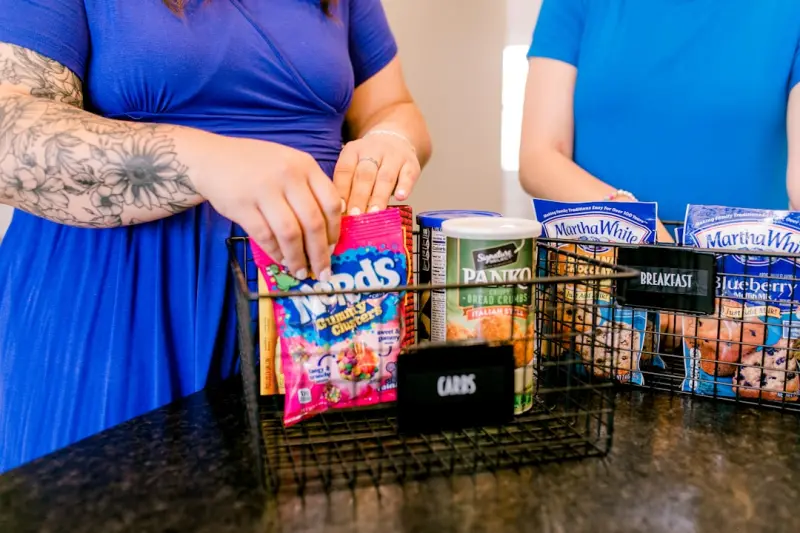
Why Your Snack Drawer Needs a Brain‑Boost Makeover
A personal experiment shows how swapping sugary snacks for nutrient‑dense pairings, fermentation, ... Read More
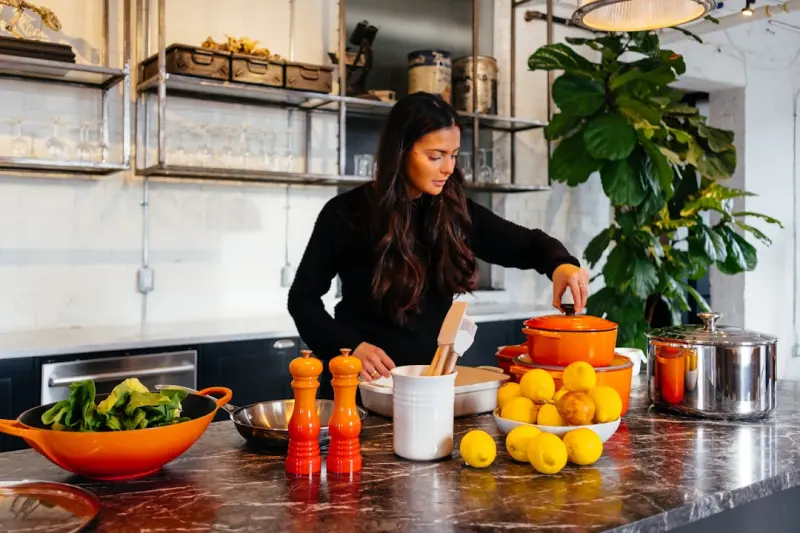
Rewilding Your Kitchen: The Unexpected Health Boost of Edible Flowers
A vibrant guide to incorporating edible flowers into everyday meals, exploring their nutrient power,... Read More
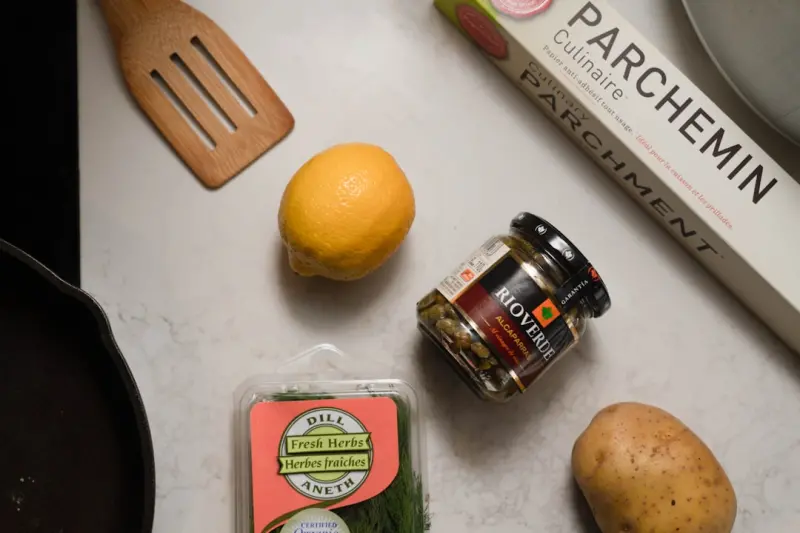
Flavor Alchemy: Turning Everyday Ingredients into Health Boosters
Explore the science of food synergy, learn practical pairing strategies, and see how treating your k... Read More
Top Posts

Turning Hobbies into Income: A Practical Guide to Lowering Your Cost of Living
Learn to monetize your hobbies with simple steps, real examples, and community strategies that help you offset rising expenses and achieve financial resilience....Read More

Micro‑Localism: Reducing Your Cost of Living Through Community Sharing
A fresh look at cost of living: learn how hyper‑local sharing, peer‑to‑peer marketplaces, and community financial tools can slash personal expenses while ...Read More

When Parenting Meets Tech: A Parental Warning for the AI Age
Explore the hidden risks of AI-powered toys, generative content, and AR/VR experiences. Learn actionable strategies to protect privacy, foster critical thinking...Read More

How Telehealth is Transforming Rural Communities in Canada
Telehealth is bridging the gap for Canada’s remote communities, delivering specialist care, cost savings, and personalized health solutions right to the doors...Read More
0 Comments
Post Comment
You will need to Login or Register to comment on this post!