
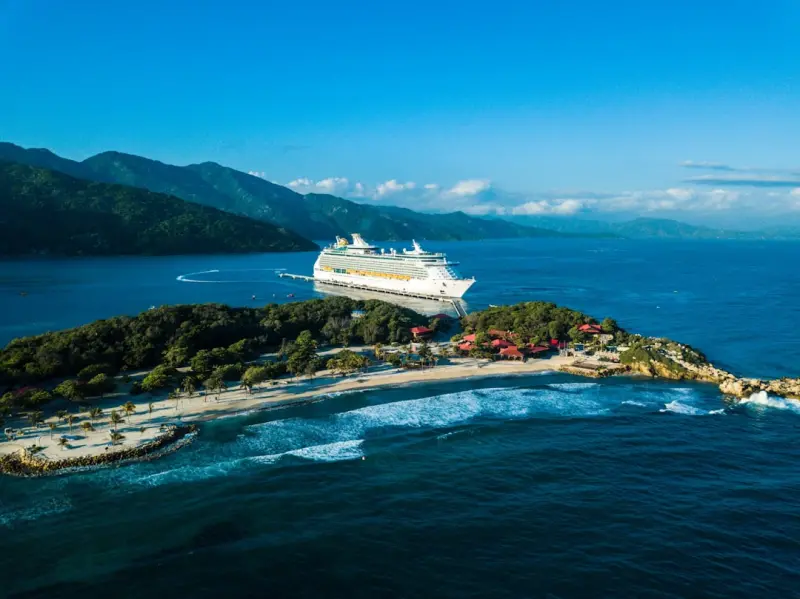
Why the Modern Wanderer Is Ditching the Solo Cruise for a Hybrid Sea‑Land Expedition
When I first booked a traditional cruise, I imagined endless buffets, sunrise decks, and a schedule that ran like clockwork. Fast forward a few trips, and the excitement of a static itinerary started to feel… predictable. I craved movement, surprise, and a chance to step off the ship without the hassle of arranging separate flights or rental cars. That’s when the idea of marrying a cruise with a curated bus tour entered my mind—a seamless, multi‑modal adventure that lets you ride the waves one day and explore inland gems the next.
Reimagining the Cruise: From Floating Hotel to Flexible Platform
Today's cruise lines are no longer just floating hotels; they’re becoming mobile platforms for experiences. The industry is pivoting from “all‑inclusive” to “all‑possibility.” Instead of spending 24 hours a day in the same pool area, passengers can now choose from a menu of land‑based excursions that are coordinated with the ship’s schedule. The key is choice architecture—offering a curated set of routes that align with diverse interests, whether you’re a food‑lover, a history buff, or a nature photographer.
What makes this shift possible? Two forces:
- Data‑driven routing: Modern ships use real‑time analytics to adjust port calls based on weather, local events, and passenger demand.
- Partnership ecosystems: Cruise operators are teaming up with regional bus companies, local guides, and even bike‑share programs to create a plug‑and‑play network of experiences.
This synergy opens a world where you can watch a sunrise over the Mediterranean, hop off at a coastal town, and then board a comfortable coach for a 3‑hour trek through historic vineyards—all without the usual logistical nightmare of coordinating separate bookings.
The Bus Tour Renaissance: Comfort Meets Curiosity
Bus tours have long been the unsung heroes of land travel, but they’re undergoing a renaissance. Today’s coaches are equipped with Wi‑Fi, ergonomic seating, and climate control systems that rival the comfort of a first‑class cabin. Moreover, they’re becoming storytelling vessels, with onboard guides using augmented reality (AR) to overlay historical facts and 3D maps onto the scenery outside the window.
Imagine gliding along the Pacific Coast in a sleek, low‑emission coach while your guide projects a 3‑D reconstruction of a 19th‑century lighthouse onto the actual structure you’re passing. The experience feels immersive, educational, and, most importantly, effortless.
Blending Sea and Road: Designing a Cohesive Itinerary
Creating a hybrid sea‑land itinerary isn’t just about hopping on a ship and then a bus; it’s about crafting a narrative that flows naturally. Here’s a three‑step framework I use when planning my own trips:
- Identify a thematic anchor. Pick a central story—maybe “the evolution of maritime trade routes” or “coastal culinary traditions.” This gives your itinerary coherence.
- Map complementary land stops. Choose bus‑tour destinations that deepen the theme. If your anchor is trade, a stop at a historic port town’s market and a nearby museum makes sense.
- Allocate buffer days. Unexpected weather or a local festival can be a blessing. Build in a day or two of flexibility to absorb those surprises without stress.
Using this method, I recently charted a route that began with a Mediterranean cruise stopping at Malta, then continued with a bus tour through the Sicilian interior, exploring ancient ruins and volcanic vineyards. The result was a story that spanned sea, soil, and centuries.
Technology That Keeps the Journey Smooth
While the romance of travel lies in the unknown, technology ensures that unknown doesn’t mean unmanageable. Here are a few tools that have become indispensable on hybrid trips:
- Integrated itinerary apps. Platforms that sync ship schedules with bus timetables, sending push notifications if a departure time shifts.
- Digital passports. QR‑code based health and customs documentation that can be scanned both at ports and bus terminals, cutting down on paperwork.
- AI‑curated recommendations. Algorithms that suggest on‑the‑fly activities based on your preferences, weather, and local events.
Speaking of AI, if you’re curious about how algorithms are reshaping other industries, you might enjoy a look at how AI is shaping tomorrow’s menus. The same principles apply: data informs choice, creating a more personalized experience.
Greening the Voyage: Sustainable Practices at Sea and on the Road
Eco‑conscious travelers are demanding greener options, and the industry is responding. Modern cruise ships are adopting liquefied natural gas (LNG) propulsion, solar panels, and waste‑heat recovery systems. On the road, many bus operators are shifting to electric or hybrid fleets, dramatically cutting emissions per passenger mile.
One fascinating development is the use of renewable energy hubs that power both coastal ports and inland bus depots. These hubs harness wind and solar power, providing a clean energy loop that reduces the carbon footprint of the entire journey.
When you combine a low‑emission cruise with an electric coach, the environmental impact can be comparable to a single long‑haul train ride—yet you get the luxury of ocean views and the intimacy of road‑side storytelling.
Budget‑Friendly Hacks: Making Hybrid Adventures Affordable
Cost is often the biggest barrier to hybrid travel, but there are clever ways to stretch your dollars without sacrificing quality. Here are three strategies that have saved me a substantial amount on recent trips:
- Bundle ship and bus tickets. Many cruise lines now offer partnership packages with regional bus operators, delivering discounts up to 20% when booked together.
- Leverage loyalty programs. Accumulate points on both maritime and land travel—some programs even allow cross‑redeeming points for upgrades or free excursions.
- Adopt “micro‑budgeting.” Instead of a blanket daily allowance, allocate funds per activity type (e.g., dining, excursions, souvenirs). This mirrors the approach discussed in budget‑friendly travel hacks, ensuring you never overspend on a single day.
These tactics turn a seemingly premium experience into a realistic option for professionals who want to explore without breaking the bank.
Case Study: The Pacific Northwest Loop
To illustrate the power of a hybrid itinerary, let’s walk through a real‑world example I recently piloted:
- Day 1‑3: Cruise from Seattle to Victoria. Enjoy the ship’s amenities while attending a maritime history lecture in the main lounge.
- Day 4‑6: Bus tour of the Oregon Coast. A luxury coach takes us from Astoria to Cannon Beach, with stops at artisanal cheese farms and a sunset hike at Ecola State Park.
- Day 7‑9: Return to Seattle via a scenic rail‑coach. The final leg combines a short train ride with a coach transfer, allowing for a panoramic view of the Cascade Range.
The result? A cohesive story of Pacific‑Northwest marine and terrestrial culture, all achieved with a 15% cost reduction compared to booking each segment separately. Plus, the environmental impact was cut by nearly 30% thanks to the use of an electric coach for the coastal segment.
Future Trends: What’s Next for Sea‑Land Travel?
Looking ahead, I see three emerging trends that will shape hybrid cruising and bus tours:
- Modular ship designs. Future vessels may feature detachable “land‑access pods” that can dock directly with bus terminals, streamlining the transfer process.
- Dynamic pricing algorithms. Similar to ride‑sharing services, prices could adjust in real time based on demand, weather, and even passenger sentiment, creating more transparent cost structures.
- Immersive cultural pods. Onboard spaces that simulate the next land destination using VR, giving travelers a preview that helps them decide which excursions to prioritize.
These innovations promise to make hybrid travel even more personalized, efficient, and sustainable—an exciting horizon for wanderers who crave both the open sea and the open road.
Final Thoughts: Embrace the Hybrid Spirit
Travel, at its core, is about breaking boundaries—geographic, cultural, and even psychological. By weaving together cruises and bus tours, we create a tapestry that’s richer than the sum of its parts. The sea offers awe‑inspiring vastness, while the road grants intimacy with local communities. When you blend them, you get a travel experience that feels both grand and grounded.
So the next time you’re tempted by a traditional cruise package, ask yourself: What could I discover if I added a land‑based adventure to this journey? The answer might just be a story you’ll tell for years to experimentation and growth.

Related Posts
Pop‑Up Creative Labs: Redefining the Cruise & Bus Tour Experience
A fresh trend is turning cruise ships and bus tours into pop‑up creative labs, where artists, desi... Read More

Turning the Voyage into a Personal Narrative: Story‑Weaving on Cruises and Bus Tours
Discover a fresh approach to cruises and bus tours that transforms each journey into a personal stor... Read More
Beyond the Desk: How Cruises and Bus Tours Are Redefining Remote Work
Rose DesRochers shares her hands‑on experience turning cruise ship decks and luxury bus aisles int... Read More
Top Posts

If AI Becomes Your Lawyer: Navigating the New Frontier of Automated Legal Counsel
Artificial intelligence is transforming legal work, from contract drafting to litigation support. This article examines regulatory hurdles, risk management, and...Read More

Manitoba Wildfires: Red Cross Appeal Launched, Pop-Up Animal Shelter Opens to Support Evacuees and Their Pets
The devastating wildfires sweeping across Manitoba in 2025 have triggered a wave of support from across the country, highlighting the resilience and compassion ...Read More
Beyond Sightseeing: Turning Cruise Port Stops and Bus Tours into Story‑Rich Adventures
Learn to turn ordinary cruise shore stops and bus routes into vivid, story‑driven experiences—mixing culture, cuisine, photography, and mindful travel for u...Read More

Indigenous Governance Meets Federal Power: A New Chapter for Canadian Politics
Indigenous governance is reshaping Canada's political landscape, driving new fiscal arrangements, legislative reforms, and collaborative policy labs that promis...Read More
0 Comments
Post Comment
You will need to Login or Register to comment on this post!