
From Cubicles to Cabins: How Remote Work is Rewriting the Travel Playbook
When I first swapped my office chair for a lake‑front desk in a small Ontario town, I expected a novelty—a week of “working from a nice place” that would end once the Wi‑Fi flickered. What I got instead was a paradigm shift that’s still rippling through the travel industry, local economies, and the very way we think about productivity. The rise of the workcation—a hybrid of work and vacation—is no longer a fringe experiment for tech‑savvy freelancers. It’s becoming a mainstream expectation, and it’s forcing destinations to rethink everything from infrastructure to marketing.
The Workcation Momentum: Numbers, Not Nostalgia
Remote work isn’t just a pandemic side‑effect; it’s a structural change. Companies are adopting flexible policies, and employees are demanding environments that nurture both focus and inspiration. According to recent industry surveys, more than 40 % of knowledge workers say they would consider relocating for a few months if the destination offered reliable internet, a supportive community, and experiences that go beyond the typical “tourist trap.” This statistic tells us two things:
- Longevity over leisure. Travelers are looking for stays that last weeks or months, not just a weekend.
- Depth over breadth. Authentic, localized experiences now outweigh ticking off famous landmarks.
That’s why you’ll hear a lot of buzz about “digital nomad visas,” coworking cafés in historic districts, and even local governments offering tax incentives for long‑term stays. The travel narrative is moving from “see the sights” to “live the culture while you log in.”
Why Traditional Tourist Packages Are Losing Their Shine
For decades, travel agencies sold packaged tours that bundled flights, hotels, and a checklist of must‑see attractions. The model worked when travelers had limited information and scarce time. Today, the same traveler can curate an itinerary with a few clicks, compare price‑performance ratios in real time, and even access peer‑reviewed recommendations from locals.
But there’s a subtle difference between curating and creating. The former still often relies on algorithms that prioritize popular spots. The latter, which I’m witnessing daily, is about crafting a life‑in‑motion that merges work responsibilities with the rhythm of the host community. In other words, we’re shifting from “tourist” to “temporary resident.”
Infrastructure: The Unsung Hero of the Workcation Era
For a workcation to succeed, the destination must tick three boxes:
- Connectivity. Reliable, high‑speed internet is non‑negotiable. It’s the new electricity.
- Work‑friendly spaces. From coworking hubs in renovated warehouses to quiet libraries with power outlets, the environment must support deep work.
- Community integration. Opportunities to mingle with locals—language exchanges, cooking classes, community events—transform a stay from a solitary stint into a cultural immersion.
Many small towns are rising to the challenge. In the past year, I visited a coastal village where the municipal council partnered with a tech startup to install fiber‑optic lines in public squares. The same square now hosts a morning “coffee‑and‑code” meetup where locals and visitors trade skills. That kind of intentional infrastructure investment is the foundation of sustainable workcation economies.
Case Study: The Unexpected Appeal of Rural Retreats
Take the example of a former mining town in northern Ontario that reinvented itself as a creative haven. The town’s mayor launched a pilot program offering three‑month “creative residencies” to artists, writers, and remote professionals. Participants receive a modest stipend, access to a refurbished barn‑turned‑coworking space, and a curated list of local experiences—think guided hikes, indigenous storytelling evenings, and farm‑to‑table workshops.
The results have been striking:
- Local businesses reported a 25 % increase in revenue during the residency period.
- Participants cited “a sense of belonging” as the primary factor for extending their stay beyond the original three months.
- The town’s population, which had been declining for decades, stabilized for the first time in twenty years.
This story illustrates the symbiotic relationship between remote workers and host communities—each fuels the other's growth.
Balancing Work and Exploration: The New Skill Set
Traveling for leisure used to be about packing light, snapping photos, and staying on schedule. Workcations demand a different kind of preparation:
- Digital hygiene. Set clear boundaries—dedicated work hours, “do not disturb” signals, and reliable backup solutions.
- Local research. Know the best coworking spots, grocery options, and emergency services.
- Flexibility. Embrace the rhythm of the host location—adjust meeting times for time‑zone differences, and be ready for occasional connectivity hiccups.
When executed well, the payoff is massive: increased creativity from new stimuli, reduced burnout thanks to a change of scenery, and a broader professional network that spans continents.
Tech Tools That Complement the Human Touch
While the core of a workcation is human connection, technology still plays a supportive role. AI‑powered itineraries can suggest off‑beat cafés with strong Wi‑Fi, predict the best times to visit local markets, or even flag community events that align with your interests. However, the real magic happens when you blend those algorithmic suggestions with on‑the‑ground recommendations from locals—something no AI can fully replicate.
In my recent stay in a heritage town, I used a simple app to find coworking spaces but relied on a neighbor I met at a farmer’s market to discover a hidden rooftop garden where I could take my lunch break. That mix of data‑driven planning and serendipitous discovery is the sweet spot of modern travel.
Economic Ripple Effects: Why Destinations Should Care
When a remote worker settles for a month or two, they’re not just buying a hotel room—they’re renting apartments, dining at local eateries, using public transport, and often purchasing local goods. This sustained spend injects capital into the community in a way that short‑term tourism cannot.
Moreover, the presence of remote professionals can catalyze ancillary services: language tutors, bike‑share programs, and even boutique gyms tailored to flexible schedules. Over time, these services become permanent fixtures, enriching the locality for both residents and future visitors.
Potential Pitfalls and How to Navigate Them
Despite the many advantages, workcations are not without challenges:
- Isolation. Working from a remote spot can feel lonely if you don’t engage with the community. Counter this by joining local clubs or attending community events.
- Regulatory hurdles. Some countries have visa restrictions or tax implications for long‑term stays. Always research the legal framework before committing.
- Infrastructure gaps. Not every picturesque town has reliable internet. A quick test of Wi‑Fi speeds (or a conversation with current remote workers) can save you from a frustrating experience.
Addressing these issues requires both personal diligence and proactive collaboration from destination marketers. Many forward‑thinking tourism boards now publish “remote‑work readiness” guides that outline connectivity, coworking options, and local amenities.
Designing the Ideal Workcation Package
If you’re a travel provider looking to capture this burgeoning market, consider bundling the following elements:
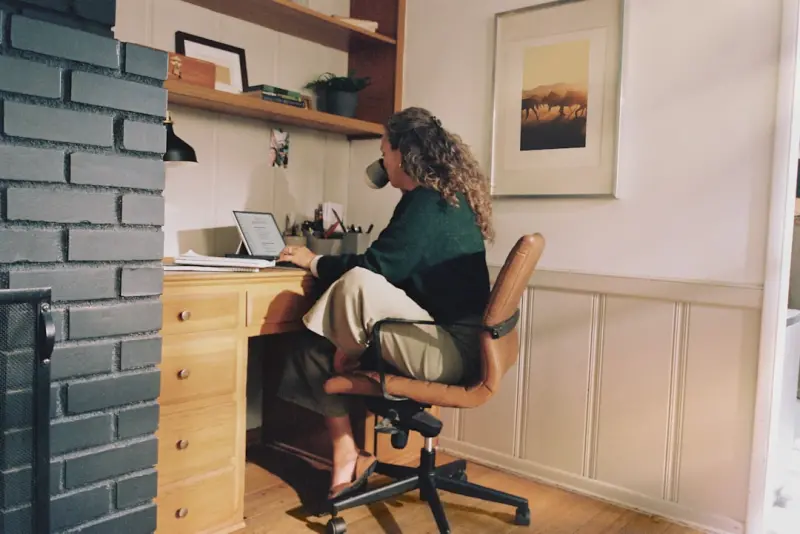
- Accommodation with a dedicated workspace. A quiet corner, ergonomic chair, and reliable power outlets are essential.
- High‑speed internet guarantee. Partner with local ISPs to ensure a minimum bandwidth threshold.
- Local immersion experiences. Curated activities—cooking classes, guided nature walks, cultural workshops—add value beyond the usual sightseeing.
- Flexible booking policies. Remote workers often need to adjust dates based on project timelines.
By packaging these components, you not only meet the practical needs of the workcation demographic but also differentiate your offering from generic hotel stays.
Looking Ahead: The Future Landscape of Travel
As remote work solidifies its place in the modern economy, the line between “tourist” and “resident” will continue to blur. Destination marketing will shift from “top ten attractions” to “quality of life for temporary residents.” We’ll see more towns marketing themselves as “creative hubs” or “innovation retreats,” and we’ll see travelers planning months‑long stays that weave together professional milestones with personal growth.
For me, the biggest lesson has been humility. I arrived in each new place as an outsider with a laptop, but I left as a participant in a community’s daily rhythm. That transformation is the true reward of the workcation—one that no algorithm can replicate.
Take the First Step
If you’re curious about testing the waters, start small. Choose a destination that already boasts a strong remote‑work infrastructure—perhaps a lakeside town with a thriving coworking scene. Use tools like curated micro‑adventures to discover hidden gems that will enrich your stay beyond the screen.
Remember, the goal isn’t just to work from somewhere new; it’s to let that place influence the way you think, create, and connect. When you succeed, you become part of a larger movement that’s redefining travel, one laptop at a time.

Related Posts

Micro‑Adventures: Crafting Sustainable Stories One Bite, Light, and Stay at a Time
Travel today is about micro‑adventures that blend sustainability, local storytelling, and wellness... Read More
Where to Go Glamping in Ontario: Unleash Your Inner Glamper
Ontario, with its vast landscapes, shimmering lakes, and lush forests, is a nature lover's paradise.... Read More

Chart Your Course for Family Fun: The 2025 Marine Heritage Festival in Southampton
Ahoy there, mateys! Get ready to hoist the sails and embark on a weekend of unforgettable family fun... Read More
Top Posts

Data-Driven Angling: How Real-Time Tech Is Transforming Ontario Fishing
Ontario anglers are embracing real‑time water sensors, crowd‑sourced maps, and collaborative stewardship to fish smarter, protect ecosystems, and keep the t...Read More

Turning Customer Success into a Scalable Growth Engine
Customer success is no longer a support function; it’s a strategic growth engine. Learn the three pillars—data health scoring, outcome‑oriented playbooks,...Read More

The Legal Tightrope of AI‑Generated Content: Liability, Copyright, and Ethics
AI is reshaping law, but with new creations come fresh legal puzzles. Dive into copyright, liability, and ethical obligations surrounding AI‑generated content...Read More

Tiny‑Home Villages: Canada’s Affordable, Sustainable Living Revolution
Canada’s tiny‑home villages offer a fresh solution to housing shortages, combining low‑cost modular cabins, shared renewable infrastructure, and strong co...Read More
0 Comments
Post Comment
You will need to Login or Register to comment on this post!