
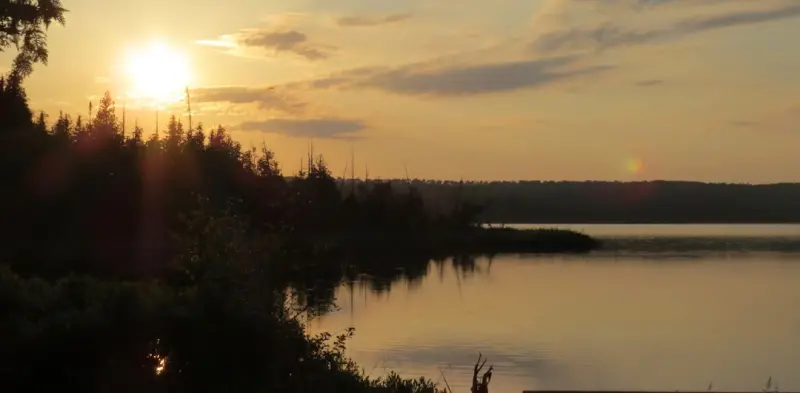
The Allure of Night Fishing in Ontario
There’s a quiet magic that descends over Ontario’s lakes when the sun dips below the horizon. The water’s surface turns into a shimmering mirror, and the usual daytime chatter of anglers gives way to a more contemplative rhythm. Over the past few years, I’ve watched an increasing number of fellow anglers—both seasoned veterans and newcomers—swap their sunrise trips for after‑dark adventures. This night fishing boom isn’t just a fleeting fad; it’s reshaping how we think about the sport, the environment, and the community that surrounds it.
Why Anglers Are Turning Their Lights On
Several factors have converged to make nocturnal angling especially appealing in Ontario. First, the province’s long summer days mean that daylight can stretch well into the evening, but the real draw is the behavioral shift of fish. Many species—especially walleye, northern pike, and certain trout—become more aggressive after dusk, feeding closer to the surface where they can ambush insects and smaller baitfish that are drawn to artificial light.
Second, the peaceful solitude of night fishing offers an escape from the crowded boat ramps and busy shorelines that dominate weekends. The quieter water allows for a more intimate connection with the environment, and many anglers report a meditative quality that helps them unwind from the stresses of daily life.
Finally, technological advances—like low‑glow LED lures and sonar devices with night‑mode capabilities—have lowered the barrier to entry. If you’re curious about the specifics, you might want to check out the insights from Ontario’s Fishing Tech Revolution, which showcases gear that works just as well after dark as it does in broad daylight.
Ecological Considerations: Casting Light on Impact
Night fishing isn’t without its ecological responsibilities. The introduction of artificial light can disrupt natural predator–prey dynamics, potentially altering feeding patterns for both fish and the insects that attract them. Researchers have observed that prolonged illumination can cause “light‑pollution stress,” especially in sensitive habitats like spawning grounds.
To mitigate these effects, many Ontario anglers are adopting low‑intensity, directional lighting—think narrow‑beam spotlights that illuminate just the immediate water column rather than flooding an entire shoreline with light. Additionally, some clubs are experimenting with “dark‑run” days where no lights are used at all, relying solely on natural moonlight and the faint glow of phosphorescent lures.
For those interested in exploring less‑trodden waters while keeping an eye on sustainability, the article on Hidden Tributaries highlights several lesser‑known streams where night fishing can be practiced with minimal ecological impact.
Gear Adjustments for Low‑Light Conditions
Fishing after dark demands a few strategic tweaks to your setup. Below is a quick checklist to make sure you’re prepared:
- Light‑Emitting Lures: Opt for LED‑integrated soft plastics or glow‑in‑the‑dark spinnerbaits. These create a subtle, pulsating glow that mimics the natural bioluminescence of many aquatic insects.
- Polarized Night‑Vision Optics: While traditional polarized lenses help cut glare in daylight, night‑vision scopes equipped with infrared illumination can dramatically improve your ability to spot surface disturbances.
- Quiet Motors: If you’re on a boat, electric outboards or low‑rpm trolling motors reduce noise that can spook fish during the sensitive twilight hours.
- Safety Lights: Attach a red LED “safety light” to your hat or vest. Red light preserves night vision while still alerting other boaters to your presence.
- Enhanced Line Visibility: Use high‑visibility fluorocarbon leaders that glow faintly under UV light, making it easier to detect bites in low‑contrast conditions.
These adjustments not only improve your catch rate but also help you stay respectful of the nighttime ecosystem.
Safety First: Navigating the Dark Waters
Night fishing can be exhilarating, but it also introduces a unique set of safety challenges. Here are a few best‑practice tips that I’ve adopted over countless moonlit outings:
- Tell Someone Your Plan: Always let a friend or family member know where you’ll be, your expected return time, and the type of vessel you’re using.
- Carry Red‑Light Flashlights: Red light preserves your night vision, allowing you to read maps or check equipment without “blinding” yourself.
- Use a GPS Tracker: Modern handheld GPS units often include an SOS feature that can alert authorities if you’re in distress.
- Dress in Layers: Even in summer, temperatures can drop quickly after sunset, especially on larger lakes. A waterproof, insulated jacket is a must.
- Beware of Wildlife: Some nocturnal predators, like raccoons and owls, become more active after dark. Keep food sealed and dispose of waste responsibly.
Following these guidelines ensures that the only thing you’ll be catching is a great story to share around the campfire.
Community, Regulations, and the Social Aspect
One of the most rewarding aspects of night fishing is the sense of camaraderie it fosters. Local clubs across Ontario have begun organizing “Moonlight Meet‑Ups,” where anglers gather at designated spots to share tips, swap stories, and even conduct collaborative fish‑count surveys. These gatherings often double as citizen‑science initiatives, providing valuable data to provincial wildlife agencies.
It’s essential, however, to stay up to date on local regulations. Many Ontario fisheries have specific rules governing night fishing—such as restricted hours for certain species or mandatory use of non‑reflective gear in protected areas. The Ministry of Natural Resources & Forestry (MNRF) updates its guidelines annually, so a quick check on their website before you head out can save you from unintentional violations.
Stories From the Shore: Real‑World Experiences
Last summer, I joined a small group of anglers at a quiet cove on Lake Simcoe. We arrived just as the sun was slipping behind the trees, the water turning a deep indigo. With a handful of glow‑in‑the‑dark jigs and a soft hum from our electric motors, we settled in. Within minutes, a massive walleye breached the surface, its silvery scales flashing under our spotlights. The adrenaline rush of that first bite, combined with the tranquil hush of the night, reminded me why I fell in love with fishing in the first place.
Another memorable night involved a surprise encounter with a family of otters playing near our boat. Their curious glances and occasional splashes added an unexpected layer of excitement, reinforcing the notion that night fishing isn’t just about catching fish—it’s about experiencing the full tapestry of Ontario’s freshwater ecosystems.
The Future of Night Fishing in Ontario
Looking ahead, I see night fishing evolving in three key ways:
- Integration of Smart Tech: Wearable devices that track ambient light, water temperature, and fish activity in real time will become standard. Imagine a wristband that vibrates when a fish is near the surface—no need to stare at a rod.
- Greater Emphasis on Sustainability: As the community becomes more aware of light‑pollution impacts, we’ll see broader adoption of “eco‑friendly” lighting standards, possibly even mandated by local authorities.
- Expanded Educational Outreach: Schools and youth programs will likely incorporate night‑fishing workshops to teach the next generation about responsible angling and aquatic ecology.
In the meantime, the best way to be part of this movement is to simply get out there—respect the water, respect the fish, and respect each other. Whether you’re a veteran angler or a curious newcomer, the night holds a world of possibilities waiting to be explored.

Related Posts

Ontario’s Secret Fishing Spots: A Local’s Guide to Uncharted Waters
Tracie Higgins uncovers Ontario’s lesser‑known fishing destinations, offering practical advice o... Read More

Reeling Through Ontario: Seasons, Secrets, and Stories
From spring melt to winter ice, I share Ontario’s prime fishing spots, secret gems, and tasty ways... Read More
Ontario’s Urban Angler’s Guide: Fishing the City’s Hidden Waters
Explore Ontario’s urban waterways, from hidden docks to community tournaments, and learn how to fi... Read More
Top Posts

The Future of Canadian Agriculture: Challenges and Opportunities
The Canadian agriculture sector is a vital part of the country's economy, but faces numerous challenges. Learn more about the future of Canadian agriculture and...Read More

Why a National Data Trust Could Redefine Our Digital Future
A national data trust could return ownership of personal data to Canadians, fueling economic growth, improving public services, and restoring trust in digital e...Read More

How Community Kitchens Are Redefining Urban Cost‑of‑Living
Community kitchens unite residents to share resources, bulk‑buy ingredients, and harness renewable energy, dramatically cutting food and utility costs while s...Read More

Prescription Delivery and Telepharmacy: Canada’s Quiet Healthcare Revolution
A deep dive into Canada’s emerging digital pharmacy ecosystem, highlighting AI‑driven medication management, telepharmacy, and innovative delivery methods t...Read More
0 Comments
Post Comment
You will need to Login or Register to comment on this post!