
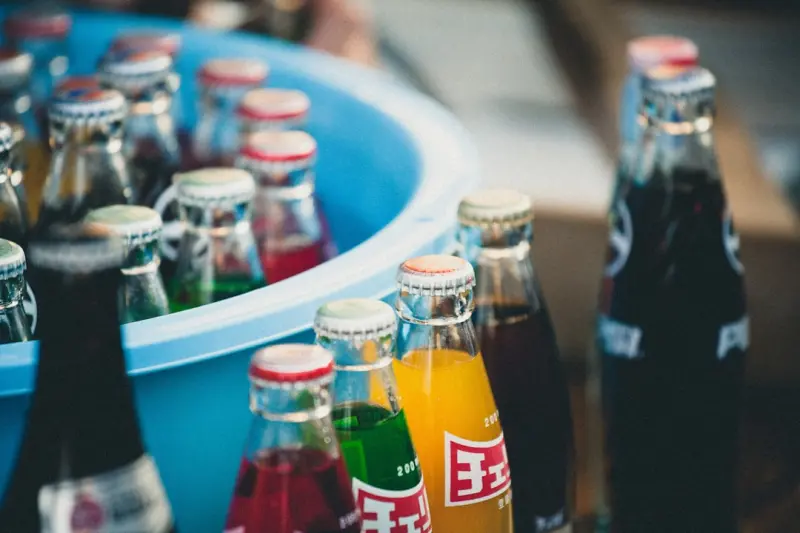
From Scraps to Sips: The Upcycled Beverage Movement is Redefining Our Drinks
When I first walked into a farmer’s market and saw a stall selling “coffee‑infused orange peel tea,” I thought it was a gimmick. Six months later, that same blend is on my desk, and I’m sipping it while drafting this post. The upcycled beverage wave isn’t a fleeting fad; it’s a response to the growing urgency to close the loop on food waste, and it’s doing so with flavor, science, and a dash of entrepreneurship.
Why Upcycling Matters in the Drink World
Globally, an estimated one‑third of all food produced ends up as waste. While the majority of that loss occurs before it even reaches the plate, a surprising amount makes its way into our kitchens as peels, stems, and leftover pulp. These “by‑products” aren’t just trash—they’re reservoirs of sugars, acids, polyphenols, and aromatic compounds that can be coaxed into delightful beverages.
For the beverage industry, this presents a triple win:
- Environmental impact: Diverting waste from landfills reduces methane emissions and eases pressure on agricultural inputs.
- Economic value: Turning low‑cost or even free ingredients into premium drinks creates new revenue streams.
- Consumer appeal: Modern drinkers are hungry for stories. A bottle that whispers “I’m made from yesterday’s fruit skins” resonates deeply.
The Science Behind Turning Waste into Wonder
The magic lies in extracting and preserving the compounds that give waste its hidden flavor. Here’s a quick rundown of the most common techniques:
- Cold‑brew extraction: Steeping fruit skins, vegetable pulp, or spent coffee grounds in cold water for 12‑24 hours draws out delicate aromatics without the bitterness that heat can introduce.
- Fermentation: Harnessing natural microbes to convert sugars in waste into acids, bubbles, and complex flavor molecules. This method is the backbone of kombucha, kefir, and a growing cohort of “veggie‑sodas.” kitchen fermentation renaissance offers a deeper dive.
- Enzyme‑assisted conversion: Adding enzymes such as pectinase or cellulase to break down cell walls, freeing hidden sugars and flavors that can be sweetened or carbonated.
- Thermal reduction: Gently simmering waste to concentrate its essence, then cooling and carbonating for a sparkling finish.
Case Studies: Brands That Got It Right
Below are three innovators that have turned upcycling from niche curiosity to mainstream buzz.
1. Citrus Cycle – From Peel to Pop
Citrus Cycle collects orange and lemon peels from local juice bars. After a short cold‑brew extraction, the liquid is filtered, lightly sweetened with agave, and carbonated. The result? A bright, slightly bitter soda that pairs beautifully with grilled fish. Their “Zero‑Waste Citrus Sparkler” now ships in recyclable glass bottles, and the company reports a 40 % reduction in waste for its partner juice bars.
2. Bean‑Back – Coffee Grounds Reimagined
Bean‑Back sources spent espresso grounds from cafés. By blending these grounds with oat milk and a dash of cinnamon, then fermenting the mixture with a proprietary culture, they’ve created a creamy, low‑alcohol “coffee kefir.” The drink retains the deep, roasted notes of coffee while offering probiotic benefits. It’s a perfect example of how home cooking innovation can inspire commercial products.
3. VeggieFizz – The Veggie‑Soda Revolution
VeggieFizz takes the “leftover” carrot tops, beet pulp, and kale stems that would normally be composted, and transforms them into a line of savory sodas. Each flavor is balanced with a pinch of sea salt and a splash of citrus to create a refreshing, umami‑forward beverage that’s gaining traction in health‑focused cafés.
Getting Started at Home: A DIY Upcycled Drink Guide
If you’re curious but unsure where to begin, here’s a simple step‑by‑step recipe that uses banana peels—a surprisingly versatile ingredient.
- Gather your waste: Save the peels from ripe bananas. Rinse them well to remove any residue.
- Slice and soak: Cut the peels into thin strips and place them in a jar of filtered water. Add a pinch of sea salt and a few sprigs of fresh mint for added complexity.
- Cold‑brew: Seal the jar and let it sit in the refrigerator for 18‑24 hours.
- Strain and sweeten: Filter the liquid through a fine‑mesh sieve or cheesecloth. Sweeten to taste with a natural sweetener like maple syrup.
- Carbonate (optional): Transfer the brew into a soda‑making bottle, add a small amount of yeast, and let it carbonate at room temperature for 12‑24 hours. Chill before serving.
The result is a lightly sweet, earthy beverage with notes of banana and mint—a perfect base for a summer mocktail.
Flavor Pairing: The Upside of Upcycled Ingredients
One of the most exciting aspects of upcycled drinks is the unexpected flavor pairings they unlock. Because waste often contains concentrated compounds, a small amount can dominate a drink’s profile. Here are a few pairing principles to keep in mind:
- Acidic fruit waste + dairy: Think orange peel + kefir for a bright, tangy probiotic drink.
- Roasted coffee grounds + spice: Combine spent grounds with cinnamon and a splash of vanilla for a comforting winter tonic.
- Root vegetable pulp + herb: Beet pulp with rosemary yields an earthy, aromatic soda perfect for cocktail mixers.
Sustainability Meets Storytelling
Consumers today aren’t just buying a beverage; they’re buying a narrative. Upcycled drinks provide a built‑in story: “I rescued this flavor from waste.” Brands that articulate this journey—through transparent sourcing, behind‑the‑scenes videos, or QR codes linking to waste‑reduction data—see higher engagement and loyalty.
Regulatory Considerations: Staying on the Right Side of the Law
While upcycling is exciting, it’s essential to navigate food safety regulations carefully. Here are key checkpoints:
- Source verification: Ensure waste streams come from trusted partners and are free of contaminants.
- Processing standards: Follow HACCP (Hazard Analysis Critical Control Points) guidelines for each step—extraction, fermentation, carbonation.
- Labeling accuracy: Disclose ingredients clearly, especially if allergens are present in the original waste (e.g., nut skins).
- Shelf‑life testing: Conduct microbial stability tests to determine safe storage periods.
The Road Ahead: Scaling Up Without Losing the Soul
As the upcycled beverage sector grows, two forces will shape its trajectory:
- Technology integration: Sensors that monitor pH, sugar levels, and microbial activity in real time will make small‑batch experimentation faster and more reliable.
- Collaborative ecosystems: Restaurants, cafés, and supermarkets will increasingly act as collection hubs, feeding a shared pipeline of waste streams to beverage manufacturers.
When these elements converge, we could see a future where every cup of coffee, every bottle of soda, and every craft cocktail carries a trace of its origin story—a story that begins not in a field, but in a kitchen compost bin.
Takeaway: Your Next Drink Could Be a Waste‑Warrior Hero
Whether you’re a curious home hobbyist, a café owner looking to differentiate, or a brand strategist seeking sustainable growth, upcycled beverages offer a tangible, delicious way to turn waste into wonder. The ingredients are already on your counter; the tools are within reach, and the market is eager for the next sip that proves sustainability can taste amazing.

Related Posts
Inaugural Flow Fest Beer Festival Set to Take Place Saturday, July 26
Get ready for a new summer tradition! The Niagara Falls Exchange is proud to present the inaugural F... Read More

Fermenting the Future: How Home Fermentation Is Becoming a Sustainable Superpower
Fermentation is more than a culinary trend; it's a low‑effort, high‑impact practice that extends... Read More

Unlocking the Magic of Home Fermentation: From Kitchen Scraps to Flavorful Superfoods
Explore the world of home fermentation, learn essential tools, safety tips, and creative ways to tur... Read More
Top Posts

Parental Warning: Navigating SaaS, Data Privacy, and Kids in the Digital Age
A deep dive into the hidden data pipelines of kids’ apps, why parental warnings matter more than ever, and actionable tips for safeguarding children’s digit...Read More

Exploring the Uncharted Territories of Canadian Tourism
Discover the best of Canadian tourism, from hidden gems and cultural experiences to outdoor adventures and budget-friendly tips. Get insider knowledge on the un...Read More

Fermented Foods: Tiny Cultures, Big Benefits
Explore the science behind fermentation, learn easy recipes, and see how probiotic foods can improve digestion, immunity, and overall wellness in today’s fast...Read More
How Community Kitchens Are Redefining Urban Cost‑of‑Living
Community kitchens unite residents to share resources, bulk‑buy ingredients, and harness renewable energy, dramatically cutting food and utility costs while s...Read More
0 Comments
Post Comment
You will need to Login or Register to comment on this post!