

When I first stumbled upon a jar of bubbling kimchi in my grandmother’s kitchen, I thought it was just another quirky family tradition. Little did I know that those salty, spicy, and surprisingly crunchy bites were the first lesson in a science that would reshape the way I think about every meal. Fermentation isn’t just a culinary shortcut; it’s a microbial dialogue, a living partnership between us and the invisible allies that inhabit our food.
The Microbial Symphony Behind Every Bite
Every time you slice into a sauerkraut sandwich or sip a kefir smoothie, you’re inviting a cast of bacteria, yeasts, and molds to perform. These microbes break down complex sugars, release beneficial acids, and produce a host of bioactive compounds that can boost digestion, modulate immunity, and even lift mood.
What’s fascinating is how selective we can be. Lactobacillus plantarum, for instance, dominates in cabbage fermentations and is renowned for its ability to reinforce the gut barrier. Meanwhile, Koji (Aspergillus oryzae) transforms soybeans into miso, unlocking umami flavors and a cascade of antioxidants. By understanding which microbes thrive under specific conditions, we can deliberately craft foods that do more than satisfy hunger—they become functional allies.
Why Fermented Foods Deserve a Spot on Your Plate
- Gut Health Boost: Ferments are natural sources of probiotics, which can outcompete harmful bacteria and encourage a balanced microbiome.
- Enhanced Nutrient Bioavailability: The fermentation process breaks down antinutrients like phytic acid, making minerals such as iron, zinc, and calcium easier for your body to absorb.
- Digestive Comfort: Enzymes produced during fermentation help pre‑digest fibers, reducing bloating and gas for many people.
- Immune Modulation: Certain strains stimulate the production of short‑chain fatty acids, which have anti‑inflammatory effects throughout the body.
From Kitchen Experiments to Everyday Staples
Starting small is the key. A simple salt‑water brine can turn cucumbers into crisp, tangy pickles in just a few days. For a dairy‑free option, try fermenting a handful of sliced carrots with a dash of sea salt and a splash of water; the result is a mildly sweet, probiotic‑rich snack that pairs beautifully with hummus.
When you’re ready to level up, explore tempeh and kombucha. Tempeh’s firm, nutty texture makes it a perfect plant‑based protein source, while kombucha offers a fizzy, low‑sugar alternative to soda, brimming with organic acids that support liver detox pathways.
Fermentation Meets Modern Lifestyle
Many of us juggle remote work, constant screen time, and the pressure to stay “always‑on.” It’s no surprise that our gut health often takes a back seat. I’ve found that incorporating a daily fermented beverage—whether it’s a modest glass of kefir or a sip of homemade kombucha—acts like a reset button for my nervous system.
Pairing this habit with intentional breathwork, as discussed in intentional breathwork, creates a double‑dose of calm. The rhythmic inhalations oxygenate the bloodstream, while the probiotics quietly balance the gut‑brain axis, helping to reduce stress‑induced cortisol spikes.
Digital Wellness and Fermented Food Synergy
We live in an era where screens dominate our days, and the blue light glare can sabotage sleep patterns. When we compromise rest, our gut microbiome suffers, leading to a vicious cycle of inflammation and fatigue. Integrating fermented foods into a digital wellness routine can break that loop. A probiotic‑rich snack before bedtime, coupled with a screen‑free wind‑down, signals to your body that it’s time to repair and regenerate.
Seasonal Ferments: Tuning Into Nature’s Calendar
One of my favorite rituals is to let the seasons dictate my fermenting agenda. In the crisp fall, I harvest carrots, beets, and apples to create tangy, earthy lacto‑ferments. Winter’s chill is perfect for fermenting cabbage into hearty sauerkraut that can warm any stew. Spring brings fresh herbs—dill, cilantro, and basil—that infuse their bright aromatics into brines, resulting in vibrant, flavor‑packed pickles.
Beyond flavor, seasonal fermenting aligns with the concept of “food as medicine.” Each harvest carries a unique phytonutrient profile, and by preserving them through fermentation, we lock in those benefits for months to come.
Adaptogenic Herbs Meet Fermentation
Adaptogens like ashwagandha, holy basil, and reishi mushroom have gained popularity for their stress‑modulating properties. Imagine marrying these herbs with the probiotic power of fermentation. A simple recipe: blend reishi mushroom powder into a kefir starter, let it ferment for 24 hours, then enjoy a sip of “mushroom‑kissed” kefir that supports both gut health and resilience to daily stressors.
Practical Tips for Fermentation Success
- Start with Clean Hands: Even though fermentation thrives on beneficial microbes, unwanted contaminants can spoil the batch.
- Control Temperature: Most lacto‑ferments love the 65‑75°F (18‑24°C) range. A pantry or cupboard works well.
- Use Non‑Reactive Vessels: Glass jars with airtight lids are ideal; avoid metal that can react with acidic brines.
- Trust Your Senses: A faint sour aroma is normal. If you notice mold (other than the white “kahm” yeast) or off‑putting odors, discard the batch.
- Document Your Process: A simple spreadsheet tracking dates, salt percentages, and flavor notes helps you refine recipes over time.
Scaling Up: From Personal Kitchen to Community Kitchen
Once you’ve mastered a few small batches, consider sharing the bounty with coworkers or neighbors. Fermented foods foster conversation—people naturally gather around a jar of pickles to discuss flavors, textures, and health experiences. In a corporate setting, a “Ferment Friday” could become a low‑cost, high‑impact wellness initiative, encouraging team bonding while boosting collective gut health.
Future Trends: Fermentation Meets Technology
While I love the hands‑on, tactile nature of fermenting, there’s exciting potential for technology to enhance the process. Sensors that monitor pH, temperature, and carbonation levels can alert you via smartphone when a batch reaches peak flavor. Imagine an app that suggests optimal fermentation times based on your local climate—bridging traditional food wisdom with modern convenience.
Even as we anticipate these innovations, the core principle remains unchanged: we’re cultivating living foods that nurture our bodies from the inside out.
Closing Thoughts: A Fermented Lifestyle
In a world that constantly pushes for speed and efficiency, fermentation invites us to slow down, observe, and collaborate with nature’s tiniest engineers. The act of waiting—watching a cabbage transform into tangy sauerkraut over weeks—teaches patience, while the resulting probiotic bounty rewards us with better digestion, clearer skin, and a steadier mood.
So, the next time you pass a jar of fermented goodness, don’t just see it as a condiment. See it as a reminder that health is a living, evolving relationship, one that thrives on diversity, balance, and a dash of curiosity.

Related Posts

Fermented Power: Redefining Everyday Nutrition with Gut‑Friendly Foods
A fresh look at nutrition that blends gut‑friendly fermented foods, seasonal produce, and data‑d... Read More
Flavor Alchemy: Turning Everyday Ingredients into Health Boosters
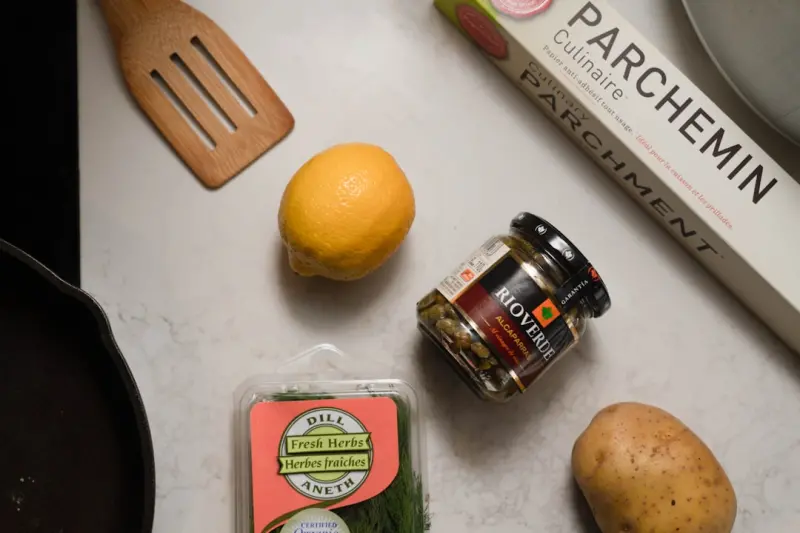
Explore the science of food synergy, learn practical pairing strategies, and see how treating your k... Read More

Ferment Your Way to a Stronger Gut: A DIY Guide for Busy Professionals
Fermentation offers a simple, science‑backed method to add probiotics, flavor, and longevity to ev... Read More
Top Posts

When Tariffs Touch Home: The Hidden Ripple Effects on Community Enterprises
Tariffs aren’t just macro‑economic tools; they ripple through community businesses, affecting margins, supply chains, and local innovation. This post uncove...Read More

Why Conversational Commerce Is the Secret Weapon for B2B SaaS Growth
Conversational commerce is reshaping B2B demand generation, turning static funnels into dynamic flywheels. Learn practical steps to implement chat, personalize ...Read More

Tariff Shock: Turning Trade Friction into SaaS Opportunity
Tariffs are no longer just a concern for importers; they’re reshaping SaaS business models. This article reveals how digital and data tariffs impact infrastru...Read More
From Soil to Screen: Building a Direct‑to‑Consumer Brand on a Canadian Farm
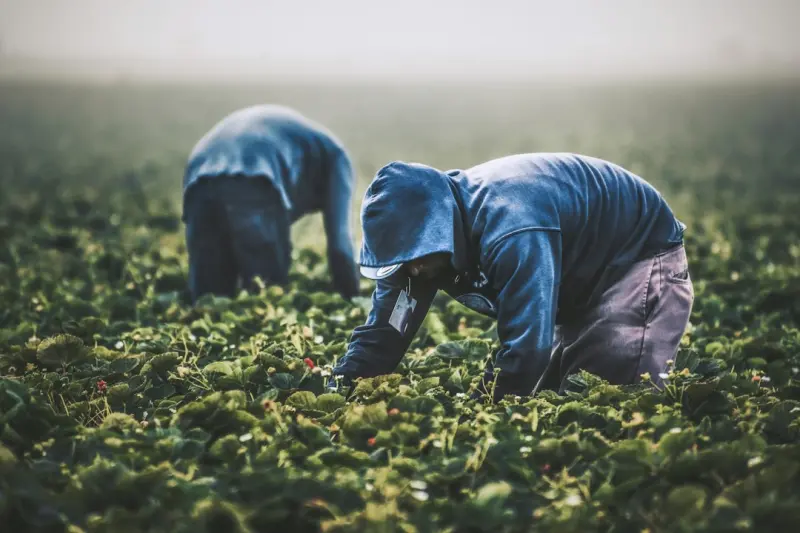
A Canadian farmer shares the step‑by‑step journey of turning a traditional farm into a modern, consumer‑facing brand, highlighting storytelling, data, com...Read More
0 Comments
Post Comment
You will need to Login or Register to comment on this post!