
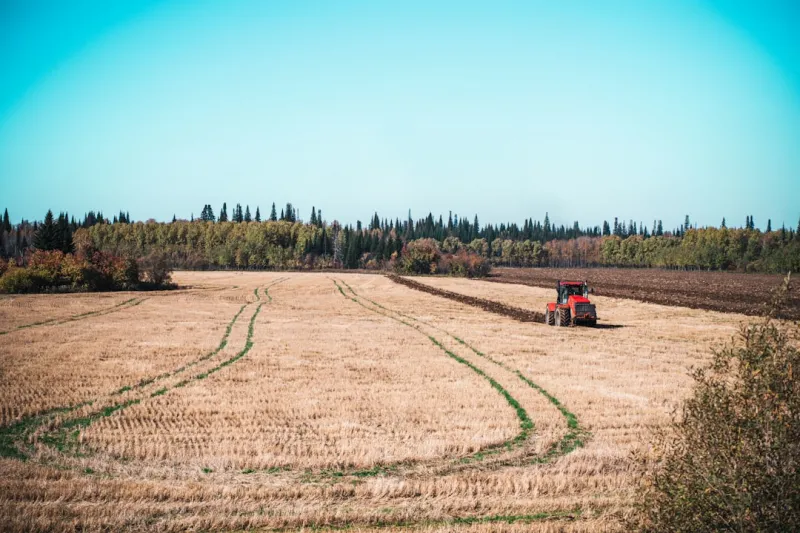
Morning on the Soil
When the first light creeps over the western horizon, I step onto my family's fields with a sense of reverence that has been handed down through four generations, feeling the cool, damp earth beneath my boots and knowing that every furrow holds a story of perseverance and hope; the rhythm of the day begins with a simple yet profound ritual—checking the moisture levels, scanning the horizon for the faintest hint of frost, and greeting the cows as they amble toward the milking parlor, a reminder that the land and its inhabitants are inextricably linked. Soil health is not just a buzzword for me; it is the living foundation of every decision I make, from the choice of cover crops to the timing of fertilizer applications, because a thriving micro‑ecosystem beneath the surface translates directly into the resilience of my yields and the vitality of the surrounding wildlife. As I walk the rows of canola and barley, I think about the countless hands that have tended this ground before me, and I feel a quiet responsibility to honor that legacy while steering it toward a more sustainable, climate‑smart future.
Climate Shifts and Crop Choices
The weather patterns that once followed a predictable seasonal script are now playing a game of roulette, with sudden heat spikes in June followed by unexpected hailstorms in August, forcing me to become a meteorologist of sorts, constantly monitoring satellite data, local forecasts, and even the behavior of migratory birds that have long served as natural indicators of changing conditions; this volatility has pushed me to diversify my planting portfolio, experimenting with drought‑tolerant varieties of lentils and integrating perennial grasses that not only hold the soil together but also sequester carbon, turning adversity into an opportunity for innovation. In conversations with neighboring producers, we share seed stocks, trial results, and even the lessons learned from a failed frost‑sensitive wheat batch, because collaboration becomes a lifeline when the climate refuses to be predictable. By embracing climate resilience as a core principle, we are not merely reacting to the present but actively shaping a farming model that can withstand the uncertainties of tomorrow.
Market Pressures and Trade Realities
The global marketplace feels like a distant thunderstorm that can both energize and devastate a small farm, especially when tariff policies shift overnight and the price of a bushel of soybeans can swing dramatically; last season, a sudden increase in import duties from a major Asian buyer sent shockwaves through our co‑op, prompting urgent meetings and frantic calculations to determine whether to store grain, seek alternative markets, or adjust planting schedules for the next cycle. In navigating these turbulent waters, I turned to the insights offered in Tariff Turbulence, which provided a roadmap for small producers to diversify export channels, leverage direct‑to‑consumer platforms, and negotiate better terms with larger grain handlers, ultimately turning a potential crisis into a catalyst for strategic growth. While the pressure to stay profitable is relentless, the experience has reinforced my belief that agility and informed risk‑taking are essential traits for any farmer hoping to thrive amid an ever‑shifting trade landscape.
Community Roots and Cooperative Strength
Beyond the fences of my own acreage, the strength of the farming community in our region acts as an invisible support system, where shared equipment pools, joint marketing initiatives, and communal knowledge‑exchange sessions create an ecosystem that is far more robust than the sum of its individual parts; we gather each month at the local grain elevator to discuss soil test results, pest forecasts, and upcoming policy changes, fostering a culture of transparency that helps us collectively anticipate challenges and celebrate successes. This cooperative spirit extends to our participation in regional food festivals, where we showcase heirloom varieties and traditional recipes, reminding urban consumers that the food on their plates has a story rooted in family farms and hard‑earned labor. By weaving together economic collaboration with cultural celebration, we reinforce a sense of belonging that not only sustains our businesses but also preserves the rural identity that defines our province.
Technology in the Field
Adopting modern technology has become as essential as rotating crops, with precision agriculture tools allowing us to map soil variability, apply inputs at the exact right moment, and monitor livestock health from the comfort of a farmhouse office, thereby reducing waste and boosting overall efficiency; drones equipped with multispectral cameras now fly over my fields each morning, delivering real‑time data on plant stress that would have taken days to detect through manual scouting, and that information feeds directly into a cloud‑based platform where I can adjust irrigation schedules on the fly. The journey toward digital integration was not without its learning curve, but resources like Fields of Resilience provided a relatable narrative that demystified the process, highlighting how fellow Canadian growers transformed skepticism into measurable gains in yield and sustainability. While technology does not replace the farmer’s intuition, it amplifies our ability to make data‑driven decisions that honor both the land and the bottom line.
Family Legacy and the Next Generation
Every decision I make is filtered through the lens of legacy, remembering the stories my grandparents told about planting beans by hand and the pride they felt when the first harvest covered the barn doors; today, my teenage children are learning the ropes not only through traditional chores but also by coding simple apps that track weather patterns and by participating in school programs that teach entrepreneurship through farm‑to‑table projects, ensuring that the next generation sees farming as both a heritage and a viable career path. We celebrate milestones—like the first time my son successfully calibrated a soil sensor—because these moments reinforce the idea that innovation and tradition are not opposing forces but complementary pillars that can sustain our family farm for decades to come. By fostering curiosity, responsibility, and a deep respect for the land, we are planting seeds of stewardship that will grow alongside the crops we tend.
Policy Landscape and Public Perception
Navigating the labyrinth of agricultural policy feels like trying to read a map that changes every few months, with subsidies, environmental regulations, and trade agreements intersecting in ways that directly impact our day‑to‑day operations, and the disconnect between urban narratives and rural realities often leads to misguided assumptions about the challenges we face; many Canadians still view farming through a romanticized lens, overlooking the financial strain of rising input costs, the mental health toll of unpredictable markets, and the constant battle to protect our waterways from contamination. An eye‑opening read such as The Unseen Struggles of Canadian Farmers helped me articulate these hidden pressures to local policymakers, encouraging them to consider more nuanced, farmer‑centered solutions that balance economic viability with environmental stewardship. When the public begins to understand the full spectrum of our work—from soil science to supply‑chain logistics—the conversation shifts from blame to collaboration, paving the way for policies that truly support the backbone of our nation’s food system.
Hope on the Horizon
Despite the whirlwind of climate uncertainty, market fluctuations, and policy hurdles, I remain optimistic because the very challenges we confront are prompting a renaissance of creativity, partnership, and resilience on farms across Canada; the rise of regenerative agriculture practices, the growing demand for locally sourced produce, and the increasing willingness of younger consumers to support sustainable farms all point toward a future where our work is valued not just for its economic contribution but for its ecological and cultural significance. As we continue to share stories, adopt innovative tools, and advocate for fair policies, the collective voice of Canadian farmers becomes louder and more influential, ensuring that the fields of tomorrow are both productive and regenerative. In the end, the land teaches us that every season brings both hardship and harvest, and it is our responsibility to nurture both with patience, ingenuity, and an unwavering belief in the promise of the soil.

Related Posts
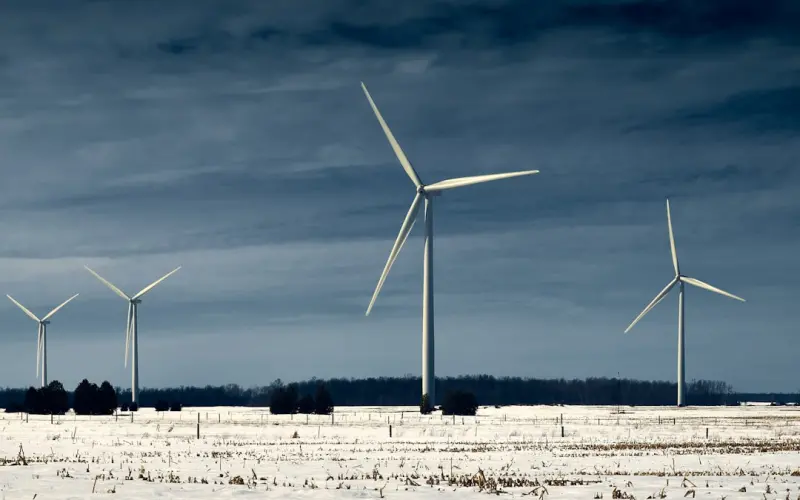
Renewable Energy Transforming Canadian Farms: A Farmer’s Perspective
From solar panels to carbon credits, Canadian farmers are turning renewable energy into a profitable... Read More
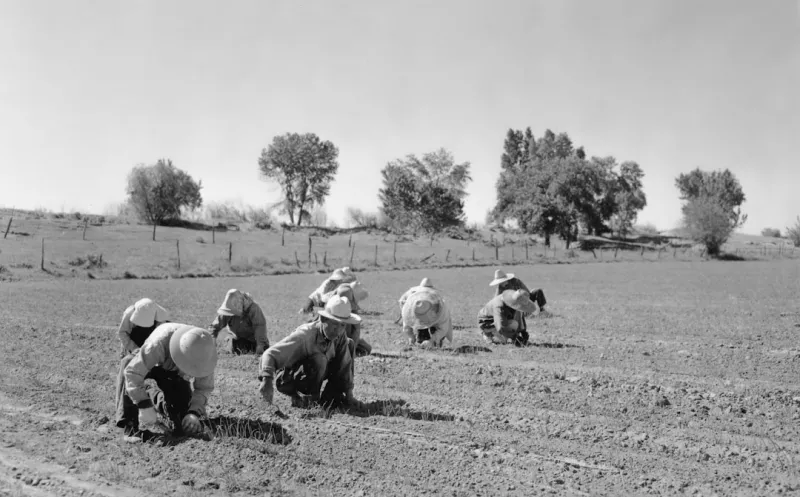
The Struggles and Triumphs of Canadian Farmers
Canadian farmers play a vital role in the country's economy, but they face a multitude of challenges... Read More
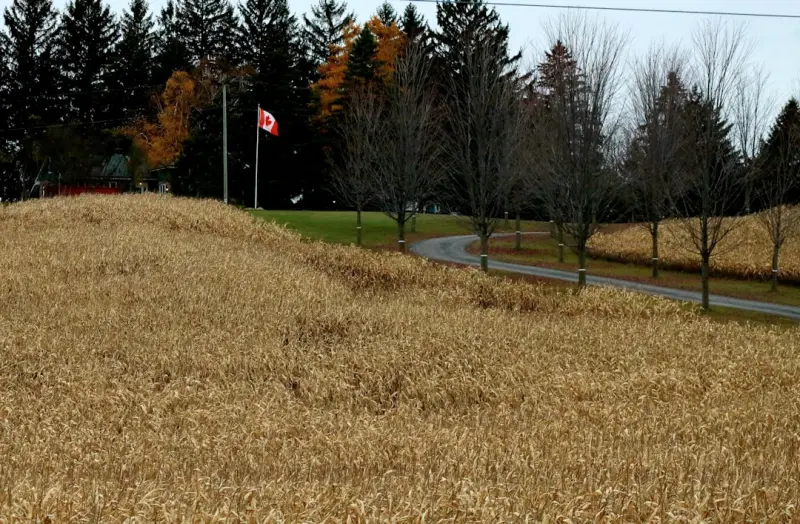
Cultivating Community: How Canadian Farmers are Redefining Rural Life Through CSA Networks
A deep dive into the rise of CSA farms across Canada, highlighting economic benefits, health impacts... Read More
Top Posts

Crafting an Eco‑Smart Prom and Graduation Experience
A fresh, sustainable approach to prom and graduation planning that blends glamour, budget savvy, and eco‑friendly choices, ensuring unforgettable memories whi...Read More

Beyond the Brief: Future‑Proofing Legal Strategy for SaaS Companies
Legal departments in SaaS firms must evolve from reactive gatekeepers to strategic partners, embracing AI‑driven contract tools, cross‑border privacy govern...Read More
The Flavors of Community: How Local Food Can Bring People Together
Local food has the power to bring people together and foster a sense of community. By supporting local businesses and choosing to eat local, we contribute to th...Read More

Parental Warning: The Psychological Tug‑of‑War Behind Free‑to‑Play Kids Games
Free‑to‑play games appear harmless, but they employ subtle psychological tricks and data collection to drive micro‑transactions from children. This articl...Read More
0 Comments
Post Comment
You will need to Login or Register to comment on this post!