
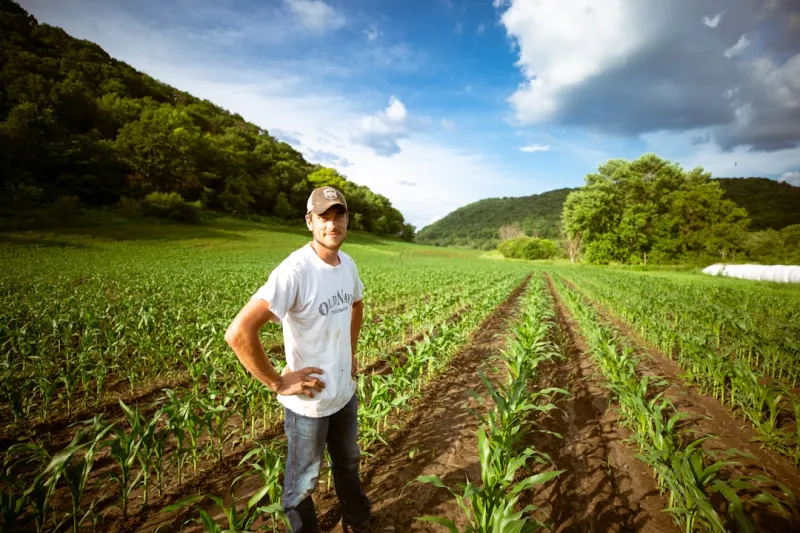
The Unseen Struggles of Canadian Farmers
The Canadian agricultural sector is a vital part of the country's economy, providing a significant portion of the nation's food supply and supporting rural communities. However, behind the scenes of this thriving industry lies a complex web of challenges that Canadian farmers face on a daily basis. From the physical demands of farming to the financial pressures of operating a business, Canadian farmers are often forced to navigate a multitude of obstacles in order to succeed. The struggles of Canadian farmers are multifaceted and far-reaching, impacting not only the individuals involved but also the broader agricultural sector as a whole.
The Physical Demands of Farming
Farming is a physically demanding profession that requires long hours, manual labor, and a high level of physical fitness. Canadian farmers often work in challenging weather conditions, from the scorching heat of summer to the freezing cold of winter, and are frequently required to perform tasks that are hazardous to their health and safety. For example, operating heavy machinery, handling livestock, and working at heights are all common aspects of farm work that can pose significant risks to farmers. Furthermore, the physical demands of farming can take a toll on farmers' mental health, leading to stress, anxiety, and depression.
The Financial Pressures of Farming
In addition to the physical challenges of farming, Canadian farmers also face significant financial pressures. The cost of operating a farm is high, with expenses including equipment, inputs, and labor. Furthermore, the prices that farmers receive for their products are often low, making it difficult to generate a profit. The unspoken truths of Canadian farming highlight the financial struggles that many farmers face, including the challenges of accessing credit, managing debt, and navigating the complexities of agricultural trade.
The Impact on Rural Communities
The struggles of Canadian farmers have a significant impact on rural communities, which rely heavily on the agricultural sector for economic stability. When farmers struggle to make ends meet, rural communities often suffer as well. For example, rural businesses may lose customers and revenue as farmers reduce their spending, leading to a decline in local economic activity. Furthermore, the decline of the agricultural sector can lead to a decline in rural population, as young people may choose to leave rural areas in search of better economic opportunities.
The Unsung Heroes of Canadian Agriculture
Despite the challenges they face, Canadian farmers are often unsung heroes of the agricultural sector. They work tirelessly to produce the food that Canadians eat, often without recognition or reward. The unsung heroes of Canadian agriculture are a testament to the dedication and hard work of Canadian farmers, who are committed to producing high-quality food while also contributing to the well-being of their communities.
The Need for Support
In order to address the challenges faced by Canadian farmers, there is a need for support from governments, industry organizations, and the broader community. This support can take many forms, including financial assistance, technical support, and advocacy. By working together, it is possible to create a more sustainable and equitable agricultural sector that benefits both farmers and the broader community.
Conclusion
The struggles of Canadian farmers are a complex and multifaceted issue that requires a comprehensive response. By understanding the physical, financial, and social challenges faced by farmers, it is possible to develop effective solutions that support the well-being of Canadian farmers and the agricultural sector as a whole. Ultimately, the future of Canadian agriculture depends on the success of its farmers, and it is up to all of us to ensure that they have the support and resources they need to thrive.

Related Posts

National Storytelling: Digital Platforms Reviving Canada’s Regional Voices
A deep dive into Canada’s emerging national storytelling movement, showing how localized digital p... Read More

The Quiet Revolution of Civic Data Literacy: Empowering Canadians to Make Informed Decisions
Data literacy is the missing civic skill that can transform how Canadians engage with public policy,... Read More

How a Nationwide Broadband Revamp Is Redefining SaaS Success
A deep dive into how the country's new broadband infrastructure is opening untapped SaaS markets, in... Read More
Top Posts

Turning Customer Friction into a Growth Engine
Discover how treating customer friction as insight—not failure—can reshape your marketing funnel, turn complaints into advocacy, and fuel sustainable growth...Read More

The Quiet Engine: How Canada’s Parliamentary Committees Are Shaping Real Policy Change
Parliamentary committees may sit in the background, but they’re the real engines of Canadian policy. Discover their power, recent successes, and how you can i...Read More

Beyond the Bite: Building a Sustainable Fishing Culture on Ontario’s Lakes
A deep dive into how Ontario’s fishing community can blend tradition, technology, and stewardship to protect its lakes, ensuring thriving ecosystems and rewar...Read More

Turning Caps and Gowns into Community Storytelling Events
Explore a new approach to prom and graduation that uses local collaborations, sensory experiences, and mental‑wellness strategies to create lasting, community...Read More
0 Comments
Post Comment
You will need to Login or Register to comment on this post!