
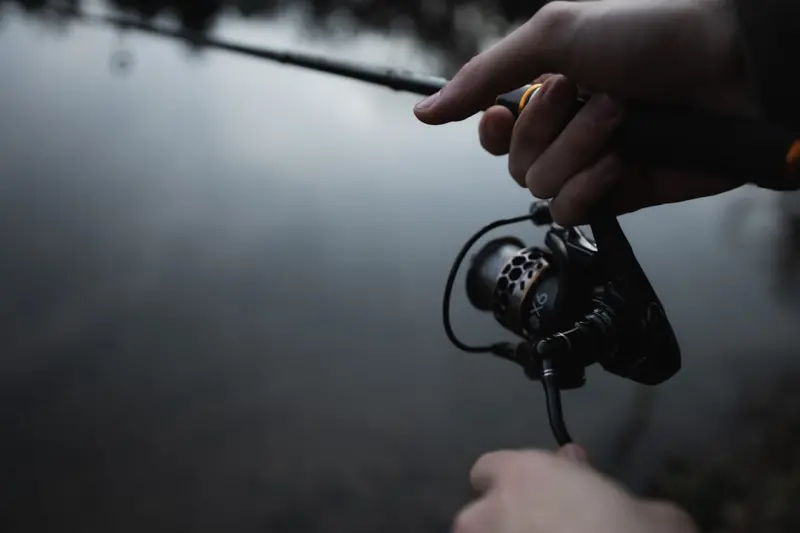
Introduction to High-Tech Angling in Ontario
When I first set out on the mist‑laden waters of Lake Simcoe with nothing but a sturdy rod and my grandfather’s faded map, I never imagined that my next fishing adventure would begin with a swipe on a glossy screen, a humming drone overhead, and a smartwatch buzzing with real‑time data; today, the Ontario angling scene is buzzing with a blend of tradition and technology that invites both seasoned veterans and curious newcomers to explore the waterway like never before, and my own journey from wooden tackle boxes to sleek digital dashboards mirrors a broader shift where the line between hobby and high‑tech experience is delightfully blurred; in this article I’ll walk you through the most impactful gadgets, apps, and connected devices that are reshaping how we chase walleye, bass, and trout across the province, while keeping the soul‑ful serenity of a sunrise cast at the edge of a quiet inlet firmly intact.
Smartphone Apps: Your Pocket Guide to Species and Regulations
Modern anglers now carry an entire fishing encyclopedia in their pockets, with apps that instantly identify fish species from a photo, log catches with GPS precision, and even alert you to seasonal regulations that differ from one Ontario lake to the next, and I’ve found that the integration of real‑time licensing updates not only saves a trip to the municipal office but also encourages compliance without the paperwork hassle that once seemed inevitable; these platforms often sync with cloud accounts, allowing you to review patterns over years and share your successes with a community that values both competition and camaraderie, and for those of us who still cherish the ethos of sustainable fishing practices, the built‑in catch‑limit trackers serve as a gentle reminder to respect the ecosystem while pursuing that perfect bite.
IoT Water Sensors: Real‑Time Insight Beneath the Surface
Gone are the days of guessing water temperature by hand; compact, battery‑powered sensors now float discreetly at depth, transmitting temperature, dissolved oxygen, and pH levels directly to your phone via Bluetooth or cellular networks, and this data stream empowers anglers to pinpoint thermoclines where trout congregate or locate oxygen‑rich pockets that attract hungry bass, turning what used to be a game of intuition into a science‑backed strategy that can be adjusted on the fly as conditions shift; the beauty of these devices lies in their plug‑and‑play simplicity—drop one in your favorite spot, let it log for weeks, and retrieve a visual timeline that informs not just a single outing but the entire season’s approach, making every cast feel purposefully informed.
Drone Reconnaissance: Eyes in the Sky for Hidden Hotspots
Imagine hovering above a sprawling river bend, watching ripples reveal schools of fish below, and you’ll understand why drones have quickly become the aerial scouts of the modern Ontario angler, offering high‑resolution video and thermal imaging that can uncover submerged structures, weed beds, and even the subtle shadows of a feeding fish that are invisible from the shore; I recently piloted a lightweight quadcopter over the quiet coves of Lake Nipissing, discovering a secluded inlet that locals had kept to themselves for generations, and with the added benefit of mapping coordinates, I could return later with confidence, knowing exactly where to set my lure for the best chance at a strike; just remember to respect privacy and follow the Ontario Drone Regulations, keeping flights within visual line of sight and away from protected wildlife habitats.
Wearable Technology: Tracking Your Body and Your Catch
Smart watches and fitness bands have evolved beyond step counters to become indispensable tools for anglers, offering heart‑rate monitoring, GPS navigation, and even tide‑phase alerts that sync with local marine charts, and by analyzing your physiological responses during a long day on the water—such as spikes in heart rate when a fish bites—you can fine‑tune your technique, adjusting reel speed or line tension to improve hook‑sets, while the built‑in compass and altitude sensors help you maintain orientation on remote lakes where landmarks are scarce, ensuring you never lose your way back to the launch point; many devices also support third‑party fishing apps, creating an ecosystem where data flows seamlessly between your wrist, phone, and cloud storage for post‑trip analysis.
Community Platforms: Sharing Knowledge and Building Local Lore
Social networks tailored to anglers have blossomed into vibrant hubs where users post catch photos, exchange tips on lure selection, and organize meet‑ups at regional hotspots, and these platforms often feature integrated maps that highlight recent activity, allowing you to discover trending fishing locations that might not appear in printed guides, such as a newly stocked pond near a small town that quickly gains popularity among weekend warriors; I’ve personally joined a group that regularly updates a shared calendar of provincial fishing tournaments, and the collective wisdom—ranging from weather pattern predictions to optimal bait combos for specific species—creates a living repository of knowledge that continuously evolves, reinforcing the sense that we’re all part of a larger, supportive community.
Balancing Innovation with Conservation
While the allure of cutting‑edge gadgets is undeniable, it’s essential to remember that every technological advance carries a responsibility to protect the very waters we love, and the influx of data can sometimes lead to over‑exploitation if anglers concentrate too heavily on high‑yield spots identified by drones or sensor networks, so pairing these tools with an awareness of hidden coves that are less trafficked can help distribute pressure more evenly across the ecosystem; furthermore, many app developers now incorporate ethical prompts, nudging users to log catch‑and‑release events and adhere to size limits, and by actively engaging with these reminders, we contribute to a culture where technology serves as a steward rather than a disruptor, fostering a sustainable future for Ontario’s diverse fisheries.
The Future: AI Predictions and Augmented Reality Overlays
Looking ahead, artificial intelligence is poised to transform Ontario fishing by analyzing decades of historical catch data, weather patterns, and satellite imagery to generate predictive models that suggest the best times and locations for specific species, and early adopters are already experimenting with AR glasses that overlay real‑time depth contours, fish activity heatmaps, and lure recommendations directly onto their field of view, turning each cast into a data‑driven decision; while these innovations may sound like science fiction, prototypes are being tested on the Great Lakes and smaller inland waters, promising a future where the line between instinct and algorithm becomes a collaborative partnership that enhances both success rates and the overall enjoyment of the sport.
Conclusion: Embrace the Tools, Honor the Tradition
In the end, the true power of technology lies not in replacing the quiet patience that defines a perfect sunrise cast, but in augmenting it with insights that make every moment on the water more purposeful and rewarding, and whether you’re a tech‑savvy teenager eager to sync your smartwatch with a water sensor or a seasoned angler who prefers a simple phone app to log each trophy, the modern toolkit offers something for every style, encouraging us to venture further, learn deeper, and share our stories with a community that values both innovation and the timeless thrill of feeling a fish tug at the line; so next time you head out to your favorite Ontario shoreline, bring along a piece of this high‑tech arsenal, and watch how it transforms the ordinary into an extraordinary fishing adventure.

Related Posts

Casting Light on Ontario’s High-Tech Fishing Frontier
Explore the newest tech tools—from sonar‑enabled smartphones and drones to AI‑driven regulatio... Read More
Ontario’s Hidden Fishing Gems: A Local’s Guide to Reel Success
Explore Ontario’s hidden fishing gems with insider tips on gear, techniques, and sustainable pract... Read More
Charting a New Course: Data‑Driven, Sustainable Freshwater Fishing in Ontario
A fresh look at Ontario fishing that blends tradition with data, sustainable gear, and renewable ene... Read More
Top Posts

Fermenting the Future: How Home Fermentation Is Becoming a Sustainable Superpower
Fermentation is more than a culinary trend; it's a low‑effort, high‑impact practice that extends food life, delivers probiotics, and fosters community, all ...Read More

Zero‑Waste Kitchens: How Real‑Time Data Is Turning Waste Into Profit
Explore the rise of zero‑waste kitchens powered by real‑time data, from smart inventory and supplier collaboration to AI‑assisted menu engineering, and le...Read More

The Tim Hortons Debate: Are They Truly Canadian Anymore?
Tim Hortons. The name conjures images of hockey games, snow-covered landscapes, and that familiar aroma of freshly brewed coffee. For generations, Tim Hortons h...Read More
Work‑From‑Deck: Turning Cruises and Bus Tours into Mobile Offices
Remote work meets travel as cruise ships and long‑haul buses redesign cabins and seats into ergonomic workspaces, offering high‑speed internet, wellness zon...Read More
0 Comments
Post Comment
You will need to Login or Register to comment on this post!