
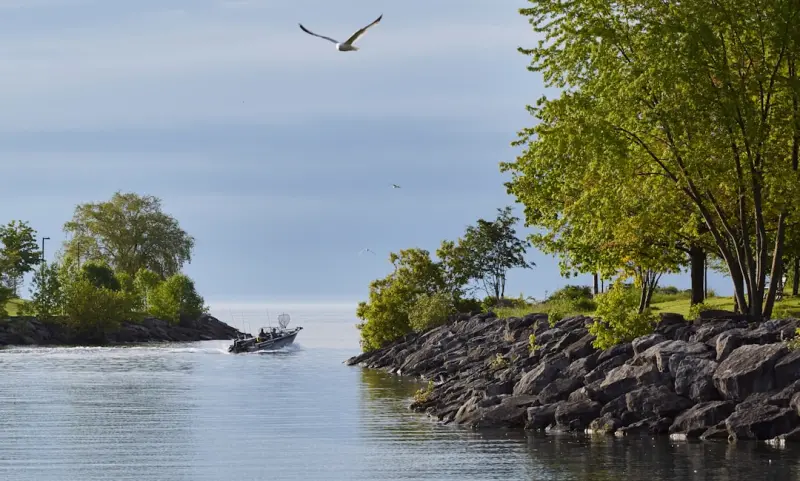
Why Sustainable Fishing Matters More Than Ever in Ontario
Ontario’s freshwater ecosystems host some of the most diverse fish populations in North America, and the pressure of growing angler numbers has begun to reveal cracks in that abundance; every cast, hook, and reel now carries a responsibility that extends beyond personal trophy or dinner plate. Protecting native species means understanding the subtle balance between water temperature, spawning cycles, and habitat integrity, especially as climate fluctuations push traditional patterns into uncertainty, forcing both seasoned veterans and weekend hobbyists to rethink when and where they fish. Embracing a conservation mindset doesn’t mean abandoning the thrill of the chase—it means pairing that excitement with practices that let the fish thrive for the next generation, a philosophy that is gaining momentum among Ontario’s most passionate anglers.
Choosing the Right Gear for Low‑Impact Angling
Modern tackle manufacturers have responded to environmental concerns by designing biodegradable lines and barbless hooks that reduce injury to fish and lessen the chance of lingering debris in the water, and these options are now readily available at local Ontario outfitters who champion sustainable practices. Pairing such gear with a well‑fitted rod reduces the need for excessive force, allowing the angler to present a more natural lure that entices a bite without compromising the fish’s ability to recover if released; this subtle shift in equipment choice can translate into measurable improvements in post‑release survival rates, a statistic that many conservation groups now track across the province’s major lakes. By investing in eco‑friendly gear, you not only honor the sport’s heritage but also contribute to a collective effort that keeps Ontario’s waters teeming with life for years to come.
Mastering the Art of Catch‑and‑Release
Catch‑and‑release is more than a buzzword; it is a disciplined technique that requires precise timing, gentle handling, and an understanding of fish physiology, especially for species like lake trout and walleye that are prized by Ontario anglers. The key steps involve keeping the fish in the water as much as possible, supporting its weight horizontally, and using wet hands or a soft, non‑abrasive net to minimize damage to its slime coat, which is essential for protecting against disease; a quick, decisive release after a brief, minimal handling period can dramatically improve the odds that the fish will resume normal activity. Studies conducted by provincial fisheries have shown that when anglers adhere to these protocols, post‑release mortality can drop below 5 %, a figure that underscores the tangible impact of responsible practices on the overall health of the ecosystem.
Seasonal Strategies that Align with Fish Behavior
Ontario’s lakes and rivers follow distinct seasonal rhythms that dictate when fish feed, spawn, and migrate, and tailoring your approach to these cycles is a hallmark of the most successful sustainable anglers. In spring, for example, many species move into shallow, vegetated bays to lay eggs, making light jigging and soft‑plastic baits ideal for coaxing a bite without aggressive strikes; during the hot summer months, fish retreat to cooler, deeper waters, so a slow‑retrieved spoon or a deep‑running crankbait can entice a bite while keeping the angler’s presence low‑impact. Fall brings a feeding frenzy as fish bulk up for winter, presenting an opportunity to use larger lures that mimic prey without excessive force, and winter’s ice‑covered lakes require careful hole placement and patience, allowing fish to approach naturally rather than being startled by noisy boat traffic. By syncing your tactics with these seasonal patterns, you not only increase your odds of a successful catch but also reduce unnecessary stress on the fish population.
Understanding Ontario’s Indigenous Stewardship Lessons
For centuries, Indigenous communities across Ontario have practiced a reverent form of fishing that emphasizes respect, balance, and the principle of taking only what is needed, a wisdom that modern anglers can adopt to enhance sustainability. Traditional knowledge highlights the importance of avoiding over‑harvest during spawning runs, selecting specific times of day when fish are less vulnerable, and using natural materials for lures that dissolve harmlessly if lost; these time‑tested methods are increasingly recognized by provincial wildlife agencies as complementary to contemporary science. Incorporating these practices—such as rotating fishing spots to give habitats a chance to recover—creates a collaborative framework where cultural heritage and modern recreation coexist, strengthening the social fabric that protects Ontario’s aquatic resources.
Leveraging Technology for Conservation
Advances in mobile apps and satellite data now allow anglers to access real‑time water temperature maps, fish‑activity forecasts, and crowd‑sourced catch reports, empowering them to make informed decisions that align with conservation goals; tools like the Ontario angler’s dashboard provide alerts when a lake is experiencing stress due to low oxygen levels, prompting a shift to less vulnerable water bodies. Moreover, many provincial fisheries encourage the use of electronic logbooks where anglers can record their catches, release rates, and gear types, data that feeds directly into management models used to set quotas and protect vulnerable species. By embracing these technologies, you become an active participant in a data‑driven stewardship network, turning each outing into a contribution toward the long‑term health of Ontario’s fisheries.
Community Initiatives and Local Partnerships
Across Ontario, grassroots organizations and local municipalities have launched cleanup events, habitat restoration projects, and educational workshops that bring together anglers, volunteers, and scientists to tackle pollution and invasive species head‑on, and these community‑driven efforts are proving essential for maintaining the ecological balance of our waterways. Participating in a lake‑side shoreline planting day, for instance, helps stabilize banks, reduces sediment runoff, and creates natural cover that benefits both fish and other wildlife, while partnering with nearby towns that host “catch‑and‑release festivals” raises awareness and showcases best practices in a fun, inclusive setting. These collaborations often feature guest speakers from the small‑town tech scene, illustrating how modern connectivity can support traditional conservation activities and create a vibrant, resilient angling community.
Charting a Personal Commitment to Sustainable Angling
Adopting a sustainable mindset is a personal journey that begins with small, consistent actions—such as packing out every piece of trash, choosing eco‑friendly lures, and committing to a strict release‑only policy for undersized or non‑target species—and gradually expands to advocacy, mentorship, and policy involvement, ensuring that the values you cherish become part of a broader cultural shift. Setting measurable goals, like reducing your carbon footprint by carpooling to fishing spots or tracking your catch‑and‑release ratio in a journal, provides concrete feedback that reinforces positive behavior and inspires others to follow suit; sharing your experiences through blog posts, local meet‑ups, or social media can amplify the impact, turning individual responsibility into collective action. In the end, the true reward of sustainable fishing in Ontario is not just the fleeting thrill of a bite, but the lasting confidence that the lakes and rivers you love will continue to thrive for generations to come.

Related Posts

Reeling Through Ontario: Seasons, Secrets, and Stories
From spring melt to winter ice, I share Ontario’s prime fishing spots, secret gems, and tasty ways... Read More
Ontario’s Hidden Waters: Modern Angling, Ancient Wisdom, and Sustainable Adventure
A fresh perspective on Ontario fishing blends ancestral knowledge, solar‑charged tools, and microâ... Read More
Casting Beyond the Known: Ontario’s Untapped Fishing Havens
A seasoned angler shares personal insights into Ontario’s lesser‑known waters, blending terrain ... Read More
Top Posts

Powering the Prairie: How Canadian Farmers Are Turning Fields into Renewable Energy Hubs
Canadian farmers are pioneering renewable energy projects—wind turbines, solar arrays, biogas digesters—that transform fields into power hubs, diversify inc...Read More

Canada’s Health System: A Community‑First Blueprint
A deep dive into Canada’s evolving healthcare landscape, highlighting community hubs, rural telehealth, cultural safety, and innovative funding models reshapi...Read More

Spice Alchemy: Crafting Your Own Flavor Vault at Home
Learn the art of homemade spice blends: from pantry audits to toast‑and‑grind techniques, seasonal swaps, and zero‑waste tips that transform everyday cook...Read More

Smart Strategies to Tame the Cost of Living Without Sacrificing Lifestyle
A fresh look at cost‑of‑living challenges, offering actionable tips on energy efficiency, shared resources, and financial tools that go beyond simple budget...Read More
0 Comments
Post Comment
You will need to Login or Register to comment on this post!