

When I first stepped into a downtown loft in Toronto for a “live‑streamed” concert, I expected a screen and a few speakers. What I got instead was a city‑wide pulse: drones carrying synchronized light patterns, AR overlays that turned the street into a digital stage, and a crowd that could vote in real time on the next song. It felt less like attending a show and more like co‑authoring a living soundtrack. This is the new frontier of Canadian entertainment – a hybrid model that marries the raw energy of in‑person performance with the limitless reach of digital tech.
From Club‑Size Gigs to City‑Scale Experiences
Traditionally, Canadian live music has lived in intimate venues: the basement bar in Vancouver, the historic hall in Halifax, the jazz club in Montreal. Those spaces have always been prized for their immediacy, but they also come with constraints – limited seating, geographic reach, and high overhead. The pandemic forced many of these spots to go online, but rather than reverting to static livestreams, promoters and artists are now re‑imagining the concert itself.
Imagine a downtown core where the streets double as a stage. Concertgoers gather in parks, on rooftops, or even at transit hubs, each equipped with a QR code that unlocks a personal AR layer. Through a smartphone, a passerby can see a virtual band member playing a holographic solo above a fountain, or watch visualizations that react to the bass line in real time. The result is a multi‑dimensional performance that feels both personal and communal.
Technology as a Creative Partner
At the heart of this shift is a suite of tools that were once the domain of sci‑fi labs. Augmented reality (AR) platforms let designers stitch digital assets onto physical spaces, while 5G networks ensure low‑latency streams that keep the music in sync with the visuals. Meanwhile, spatial audio systems—think Dolby Atmos for the street—allow sound engineers to “place” instruments in three‑dimensional space, so a listener standing near a virtual drum kit can feel the thump as if it were right there.
Data also plays a starring role. By collecting data‑driven fan experiences, organizers can adapt setlists on the fly. A simple poll displayed on a large screen might ask the crowd which classic track to hear next, or an app could aggregate heart‑rate data from wearable devices to gauge excitement levels, feeding that back into lighting cues.
Hybrid Ticketing: More Than Just Admission
Tickets are no longer just passes to a venue; they’re portals to an ecosystem of interaction. When you purchase a ticket, you receive a digital badge that unlocks exclusive AR filters, backstage “rooms” where you can chat with artists, and even limited‑edition NFTs that serve as collectibles or future discounts. These tokens are stored in a secure wallet, giving fans true ownership of their memorabilia.
Because these badges are tied to a user’s profile, they also act as a source of zero‑party data. Fans voluntarily share preferences—favorite genres, preferred venue layouts, even sustainability concerns—allowing promoters to tailor experiences without invasive tracking. The result is a more respectful, consent‑based relationship between artists and audiences.
Environmental Impact: A Greener Concert Model
Hybrid concerts can dramatically shrink the carbon footprint of touring. By localizing performances and supplementing them with digital elements, artists can cut down on travel emissions. Moreover, virtual stages eliminate the need for massive physical sets and lighting rigs, which often require huge amounts of electricity. When physical production is necessary, many festivals are turning to LED installations powered by renewable sources, and even exploring carbon‑offset partnerships with local Indigenous communities.
Inclusivity and Accessibility
One of the most powerful aspects of hybrid entertainment is its ability to democratize access. Fans who cannot travel due to cost, disability, or geographic isolation can now experience the same event in real time, complete with interactive features that were previously limited to those physically present. Subtitles, sign language avatars, and audio descriptions can be integrated directly into the AR layer, ensuring that everyone can participate fully.
Case Study: The “Maple Pulse” Festival
Last summer, a collective of artists, tech startups, and municipal planners launched “Maple Pulse” in Ottawa—a three‑day celebration that blended live music, dance, and visual art across the city’s riverfront. Instead of a single stage, the festival featured 12 micro‑stages, each equipped with AR markers. Attendees used a dedicated app to unlock hidden performances that were invisible to the naked eye, creating a treasure‑hunt vibe.
The festival’s data dashboard showed that 68% of participants engaged with at least one AR element, and the average dwell time at each micro‑stage increased by 45% compared to a traditional concert. Artists reported that the ability to see real‑time audience feedback helped them improvise on the spot, resulting in unique renditions of their songs that will never be replicated.
Challenges and Considerations
While the excitement is palpable, there are hurdles to navigate. Technical glitches can ruin the immersive experience, so robust infrastructure and contingency planning are essential. There’s also a learning curve for older audiences who may be less comfortable with AR interfaces. To bridge this gap, many events now include “tech‑assist” stations where volunteers help attendees set up their devices.
Intellectual property is another hot topic. When performances are streamed and augmented, the line between public and private content blurs. Artists and rights holders must negotiate clear agreements on how their work can be used in digital overlays, and ensure that revenue models reflect the added value of the hybrid experience.
Future Outlook: The Rise of “Living Venues”
Looking ahead, the concept of a venue itself is evolving. Imagine a city where any public space can transform into a concert hall with a flick of a switch, where local businesses can host micro‑shows that feed into a larger narrative, and where fans can curate their own “tour” by hopping between AR‑enhanced spots.
In this vision, the role of the traditional promoter shifts toward that of a curator and technologist, orchestrating a seamless blend of physical and digital elements. The artist becomes a conductor of both sound and code, and the audience moves from passive consumers to active co‑creators.
Conclusion: A New Soundtrack for Canada
Canada has always been a nation of storytellers, from the oral traditions of the First Nations to the indie music scenes that have captured the world’s imagination. By embracing hybrid concerts, we’re adding a new chapter to that narrative—one where technology amplifies, rather than replaces, the human connection at the heart of live entertainment. The streets of our cities are humming with possibilities, and as we tune into this evolving rhythm, we’ll discover a richer, more inclusive soundtrack for the Canadian experience.

Related Posts
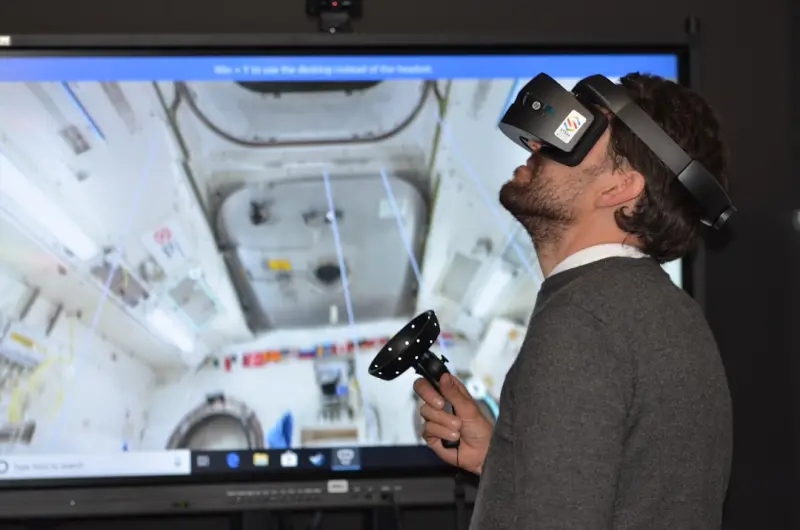
Virtual Reality Takes Center Stage in Canada’s Entertainment Evolution
A deep dive into the rise of virtual reality in Canada, highlighting Indigenous-led experiences, gam... Read More

Canada’s Entertainment Landscape Is Thriving Like Never Before
From coast‑to‑coast festivals and Indigenous podcasts to VR arcades and cottage film nights, Can... Read More

Winter’s Silver Screen: How Canada’s Snow Culture is Shaping New Entertainment
Discover the rise of snow‑driven storytelling in Canada, from indie dramas to VR sled rides, and h... Read More
Top Posts

The Ultimate Playbook for a Stress‑Free Prom and Graduation Season
A modern guide that reimagines prom and graduation planning with data‑driven decisions, sustainable fashion, hybrid streaming tips, and smart budgeting hacks....Read More

Fermenting the Future: AI, Data, and the New Wave of Craft Beverages
A deep dive into how artificial intelligence and real‑time data are revolutionizing craft beverages—from precision fermentation and personalized flavor prof...Read More

Cold Exposure: Harnessing the Power of Ice for Everyday Health
Cold exposure isn’t a gimmick—it’s a science‑backed practice that sharpens mental clarity, accelerates recovery, and revs up metabolism. Learn a simple,...Read More
Prom & Graduation: Why They Still Matter in 2024
From the dazzling lights of prom to the heartfelt speeches at graduation, Ryan Paterson reflects on why these rites of passage remain essential, offering tips a...Read More
0 Comments
Post Comment
You will need to Login or Register to comment on this post!