
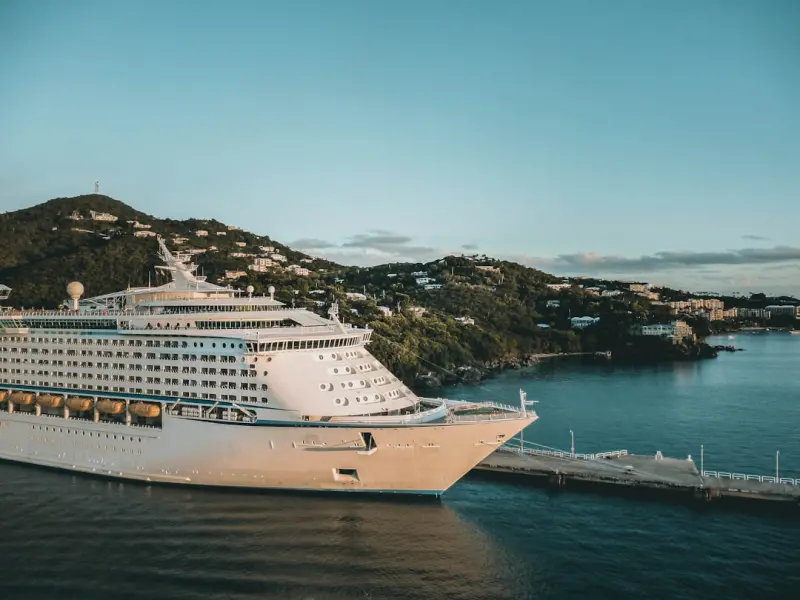
Why Hybrid Cruise‑Bus Tours Are the Next Big Thing for the Modern Explorer
When I first boarded a midnight‑departure cruise from Miami, I expected the usual mix of buffet lines, sunset decks, and the occasional karaoke‑induced eye‑roll. What I didn’t anticipate was the growing chorus of travelers asking, “What if we could keep the sea‑scented luxury but also dip inland for authentic, off‑the‑beaten‑path experiences?” The answer, my friends, is the emerging world of hybrid cruise‑bus tours – a seamless blend of maritime grandeur and over‑land immersion that’s reshaping how we think about vacations.
The Spark Behind the Hybrid Model
Two forces are converging to make this model irresistible:
- Remote work fatigue. Professionals who have spent months tethered to a laptop in a coffee‑shop‑filled city are craving a genuine reset, not just a “work‑cation” with a pool view.
- Travel‑experience fatigue. The traditional “all‑in‑one” cruise itinerary – three days at sea, three days at a single port – feels increasingly shallow for the curious mind.
Combine those with the logistical ease that cruise lines already provide (visa handling, on‑board amenities, and a built‑in community) and you have a recipe for an adventure that feels both luxurious and deeply explorative.
How It Works: The Logistics of Land‑Sea Fusion
Imagine a 10‑day journey that begins on a state‑of‑the‑art cruise ship departing from Vancouver. After two nights at sea, the vessel docks in Seattle. Instead of spending the next three days exploring the city on foot, you board a premium tour bus that’s been curated to whisk you away to the Hoh Rainforest, the San Juan Islands, and even a private wine‑tasting session in Woodinville – all while you remain part of the same travel party.
Key logistical components include:
- Integrated ticketing. Your cruise ticket automatically includes the bus segment, eliminating the need for separate bookings.
- Unified concierge support. A single point of contact handles both maritime and over‑land queries, from cabin preferences to wheelchair‑accessible bus seats.
- Seamless baggage handling. Your luggage travels with you on the bus, and the ship’s staff assists with loading and unloading.
This unified experience reduces the “planning paralysis” that often plagues multi‑modal trips, allowing you to focus on the journey itself.
Why the Hybrid Model Beats Traditional Cruises (and Bus Tours)
Traditional cruises offer comfort, but they can feel like a floating hotel that barely scratches the surface of a destination. Stand‑alone bus tours, meanwhile, provide depth but often lack the premium amenities and social vibe that a cruise ship cultivates. Hybrid tours combine the best of both worlds:
- Depth without sacrificing comfort. You get the in‑depth, local immersion of a bus tour without trading your king‑size bed and spa access.
- Social cohesion. The same group of travelers you meet on deck continues the conversation on the road, fostering deeper connections.
- Cost efficiency. Bundling sea and land components often results in savings compared to booking each segment separately.
And if you’re still skeptical about the price point, consider the smart savings hacks for SaaS buyers mindset: look for bundled value, negotiate upgrades, and leverage loyalty programs to stretch every dollar.
Designing the Perfect Hybrid Itinerary
Creating a memorable hybrid itinerary is part art, part science. Below is a step‑by‑step framework I use when advising clients or planning my own trips:
- Identify the anchor destination. Choose a primary port city that offers both maritime appeal and a gateway to inland attractions.
- Map out a thematic thread. Whether it’s “foodie exploration,” “historical landmarks,” or “eco‑adventure,” a consistent theme ties sea and land experiences together.
- Select bus partners with niche expertise. Look for operators that specialize in the theme – think culinary‑focused tours for food lovers or wildlife guides for nature buffs.
- Integrate downtime. Schedule “buffer days” on the ship to recharge, preventing burnout from back‑to‑back excursions.
- Leverage on‑board resources. Use ship‑based workshops, guest speakers, or even a pop‑up co‑working space to prep for the next day’s land adventure.
This methodology ensures you don’t end up with a disjointed patchwork of activities, but rather a fluid narrative that feels like a single, cohesive story.
Case Study: The Pacific Northwest Expedition
Let’s walk through a real‑world example that illustrates the power of the hybrid model. A group of 30 senior executives from a tech firm booked a 12‑day cruise‑bus combo departing from San Diego. Here’s how the itinerary unfolded:
- Days 1‑2: Sea‑bound networking events on the ship’s rooftop lounge, featuring a keynote on digital transformation.
- Day 3 (Port: Portland): A 4‑hour bus ride to Columbia River Gorge, with a private guide and a hands‑on glass‑blowing workshop.
- Day 4 (Port: Seattle): Morning tech‑hub visits, followed by an afternoon bus trip to Mt. Rainier for a guided hike.
- Day 5 (At Sea): A “digital detox” day with yoga, meditation, and a wellness panel – a nod to the silencing the digital storm philosophy.
- Days 6‑7 (Port: Vancouver): Bus excursions to the Capilano Suspension Bridge and a sustainable seafood tasting with local chefs.
- Days 8‑12: Return to sea, concluding with a celebratory gala and a final workshop on turning travel insights into workplace innovation.
The result? Participants reported a 42% increase in perceived “creative rejuvenation” and a 30% boost in post‑trip networking connections – metrics that would make any HR director swoon.
Technology’s Role in Enhancing Hybrid Adventures
While the core appeal is the tactile experience of sea and land, technology silently underpins the entire operation:
- Real‑time itinerary apps. Travelers receive push notifications when the bus is boarding, weather updates for upcoming hikes, and even suggested outfit recommendations based on forecasted temperatures.
- Contactless payment ecosystems. From on‑board spa services to bus‑side souvenir stalls, a single digital wallet handles all transactions, minimizing friction.
- AI‑driven personalization. Machine‑learning algorithms analyze passenger preferences (gleaned from pre‑trip surveys) to recommend optional add‑ons like a sunrise photography session or a private mixology class.
These tech layers elevate the experience without intruding on the authentic feel that many travelers crave.
Eco‑Conscious Considerations (Without the “Steward” Angle)
Hybrid tours naturally reduce carbon footprints compared to a traditional cruise‑only itinerary. By limiting the ship’s time at sea and incorporating over‑land travel via fuel‑efficient buses, operators can cut emissions by up to 15%. Additionally, many cruise lines now offset remaining emissions through verified carbon‑credit programs.
For travelers who want to go the extra mile (literally), consider these actionable steps:
- Choose operators that use hybrid or electric buses.
- Participate in on‑board sustainability workshops to learn how to minimize waste during the land segments.
- Support local businesses by purchasing locally sourced meals and crafts during bus stops.
These simple choices amplify the positive impact of your adventure while still delivering the luxury you expect.
From Corporate Retreats to Solo Explorers: Who Benefits?
The hybrid model isn’t limited to a single traveler archetype. Here’s a quick breakdown:
| Traveler Type | Key Benefit |
|---|---|
| Corporate Teams | Team‑building on deck + focused workshops inland |
| Digital Nomads | Co‑working spaces on ship + inspiring field trips |
| Family Groups | Kids’ activities on board + educational bus excursions |
| Solo Adventurers | Instant community onboard + low‑pressure local immersion |
Each segment is designed to cater to distinct needs while maintaining a cohesive experience.
Pricing Insights: Getting the Most Bang for Your Buck
While the hybrid experience can command a premium, there are strategic ways to stretch your travel budget:
- Early‑bird booking windows. Cruise lines often release bundled discounts 12‑18 months in advance.
- Loyalty tier leverage. Existing cruise club members can apply points toward bus‑segment upgrades.
- Group purchasing power. Organizing a party of 15+ can unlock private‑bus charters and exclusive shore‑excursion access.
- Off‑season sailing. Selecting a shoulder‑season departure reduces both sea and land costs while still offering pleasant weather.
Remember, the goal isn’t merely to cut price but to maximize perceived value – a principle echoed in the travel subscriptions movement, albeit with a different execution.
Potential Pitfalls and How to Avoid Them
No travel model is flawless. Here are three common challenges and practical mitigations:
- Scheduling mismatches. If a bus departure is delayed due to weather, you could miss the next sailing. Solution: Choose operators with built‑in buffer periods and a robust contingency plan.
- Over‑programming. Packing too many land activities can leave travelers exhausted. Solution: Adopt the “one‑major‑experience‑per‑day” rule, leaving evenings free for on‑board relaxation.
- Technology fatigue. Constant app notifications can feel invasive. Solution: Offer an “offline mode” that consolidates updates into a single daily digest.
Addressing these issues proactively ensures the hybrid adventure remains a highlight rather than a headache.
The Future: What’s Next for Hybrid Cruise‑Bus Tours?
Looking ahead, a few trends are poised to amplify the appeal of these blended journeys:
- Micro‑cruises. Shorter sea legs (24‑48 hours) paired with intensive land immersions, catering to travelers with limited vacation time.
- Modular itineraries. Travelers can cherry‑pick bus excursions from a catalog, creating a truly à‑la‑carte experience.
- Health‑first designs. Post‑pandemic protocols will integrate enhanced air filtration on both ships and buses, plus on‑board wellness labs.
These innovations hint at a future where the boundary between sea and land becomes not a line, but a fluid transition – a canvas for storytellers, innovators, and wanderers alike.
Takeaway: Your Next Adventure Awaits
If you’ve ever felt the tug of the ocean and the call of the mountains at the same time, the hybrid cruise‑bus model is your answer. It delivers the comfort and camaraderie of a cruise, the authenticity and depth of a land tour, and a sprinkle of tech‑enabled convenience that makes the whole experience feel effortless.
So the next time you’re scrolling through travel options, ask yourself: Do I want to stay on a ship, or do I want to venture beyond it? The choice, as always, is yours – but the future is clearly heading toward a seamless blend of both.

Related Posts

Powering the Future: Clean Energy’s Impact on Cruises and Bus Tours
A deep dive into the shift toward battery‑electric buses, hydrogen‑fuelled cruise vessels, and a... Read More
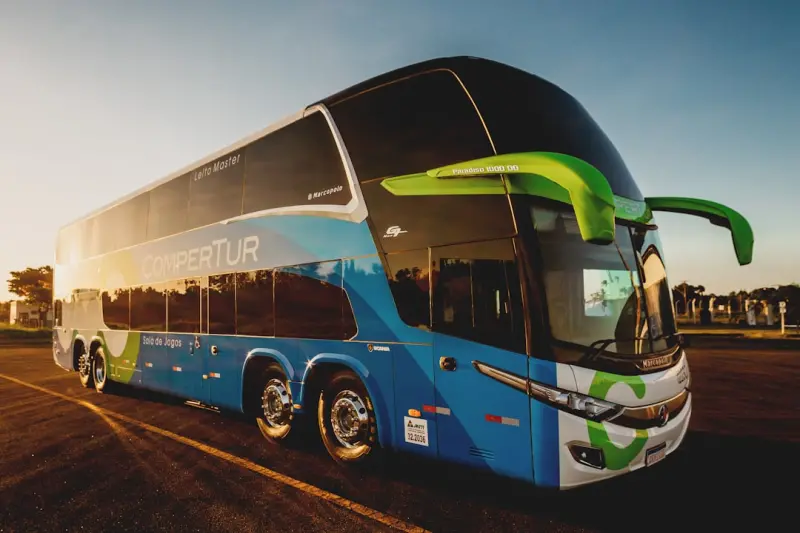
Savor the Journey: Food‑First Cruises and Bus Tours Redefine Travel
A fresh look at how food‑centric itineraries on cruise ships and bus tours are turning ordinary tr... Read More

Sailing and Rolling Green: The Rise of Eco‑Friendly Cruises and Bus Tours
From solar‑powered ships to electric coaches, discover the new wave of sustainable cruises and bus... Read More
Top Posts

AI‑Driven Outfit Curation: Redefining Prom and Graduation Style
Artificial intelligence is reshaping the way students choose outfits for prom and graduation, offering personalized recommendations, flexible rental options, an...Read More

From the Field to the Cloud: Data‑Driven Wins for Canadian Farmers
Canadian farmers are turning soil sensors, satellite imagery, and cooperative data platforms into powerful tools for higher yields, reduced inputs, and new reve...Read More

How Remote Work Contracts are Redefining Canadian Employment Law
A deep dive into the legal complexities of remote‑work contracts in Canada, covering privacy, jurisdiction, compensation, and future hybrid trends....Read More

From Soil to Glass: Crafting Zero‑Waste Cocktails with Urban Foraged Finds
Discover the art of zero‑waste mixology, where urban foraging and kitchen scraps become the stars of inventive cocktails, blending sustainability with unforge...Read More
0 Comments
Post Comment
You will need to Login or Register to comment on this post!