

Why Community Fridges Are the Quiet Powerhouses of Canadian Neighborhoods
When I first walked past a bright blue fridge tucked beside a bus stop in my hometown of Kingston, I thought it was a quirky art installation. A few days later, I discovered that the fridge was stocked with fresh produce, a loaf of sourdough, and a jar of maple‑infused jam—all donated by neighbours who wanted to share. That moment sparked a question that has kept me up at night: what if the simple act of sharing food could rewrite the social contract of our streets, our towns, and even our cities?
Canada has always prided itself on community spirit—from the “hockey night in the backyard” to the neighbourly “soup kitchen Saturday.” Yet, modern life has stretched that camaraderie thin. Long commutes, rising rent, and a relentless push toward digital everything have left many of us feeling adrift in the very places we call home. The Why Your Commute Is Draining More Than Your Time piece highlighted how the daily grind steals not just minutes but the subtle rhythm that once bound us together. Community fridges are stepping in to restore that rhythm, offering a tangible, low‑tech solution that fits neatly into the hustle of contemporary Canadian life.
The Roots of a Modern Tradition
Food sharing isn’t a new concept for Indigenous peoples in Canada. Traditional potlatch ceremonies and seasonal harvest gatherings have long emphasized reciprocity. In the early 2000s, urban farmers in Vancouver began experimenting with “food rescue” – collecting surplus from grocery stores and redistributing it through pop‑up markets. Fast forward a decade, and the model evolved into the sleek, climate‑controlled community fridge, a hybrid of the old communal pot and the modern sustainability movement.
What makes this phenomenon uniquely Canadian is the way it weaves together three threads that are often discussed in isolation: social cohesion, food security, and climate action. Each fridge becomes a micro‑hub where these narratives intersect, turning a simple act of placing a carrot into a public box into a statement about the kind of neighbourhood we want to live in.
From Food Waste to Food Wealth
Canada produces roughly 55 million tonnes of food waste each year. A significant portion of that waste never leaves the grocery aisle, discarded because it’s slightly bruised or past its “best‑by” date. Community fridges act as a conduit, rescuing this edible surplus before it reaches landfill. The environmental impact is immediate: less methane from rotting food, reduced demand for new produce, and a smaller carbon footprint associated with transport.
Municipal leaders are beginning to notice. The Municipal Climate Mandates: How City Halls Are Steering Canada’s Future article explored how city councils are integrating green policies into zoning codes. In places like Toronto and Halifax, new bylaws now permit “food sharing stations” in public parks, recognizing them as climate‑positive infrastructure. These policies are not just bureaucratic gestures; they provide the legal scaffolding that allows a community fridge to become a permanent fixture rather than a temporary experiment.
Social Capital in a Cold Climate
Winter in Canada can be unforgiving. Snowbanks pile up, and the temperature drops below the point where a casual walk feels inviting. Yet, these same conditions amplify the need for community. When the wind bites, a warm conversation over a shared jar of pickles can be as nourishing as the food itself. Community fridges create “third places” – spaces that are neither home nor work but belong to everyone.
Take the town of St. John’s, Newfoundland, where a group of retirees turned an empty bus shelter into a “Fridge of Hope.” Residents now meet weekly for a cup of tea while checking the fridge’s inventory board. The fridge has become a catalyst for intergenerational dialogue, allowing teenagers to learn about traditional cooking methods from seniors, and vice‑versa, encouraging the younger crowd to spread the word on social media, amplifying the fridge’s reach beyond the immediate neighbourhood.
Economic Ripple Effects
Beyond the immediate social benefits, community fridges can subtly influence local economies. Small‑scale producers – think backyard mushroom growers, artisanal cheese makers, or even hobbyist bakers – gain a low‑cost distribution channel. By placing a few crates of their products in a public fridge, they test market demand without the overhead of a storefront.
Local cafés, too, have found a symbiotic relationship with these fridges. A coffee shop near a fridge might offer a discount to anyone who brings a reusable container, encouraging repeat foot traffic while promoting sustainability. In turn, the café’s patrons become more likely to donate surplus pastries, creating a virtuous cycle of give‑and‑take.
Technology Meets Tradition
While the core idea of a community fridge is wonderfully low‑tech, many Canadian municipalities are integrating smart solutions to ensure safety and efficiency. Sensors monitor temperature, alerting volunteers when the fridge deviates from the safe zone for perishable foods. QR codes on the doors link to a digital log, where volunteers can track contributions, note expiration dates, and even post recipes that utilize the most abundant items.
One innovative project in Calgary pairs the fridge with a local podcast that spotlights stories of donors and recipients. Listeners hear how a single loaf of rye sparked a friendship between a university student and a retired carpenter. By weaving narrative into the act of sharing, the fridge becomes more than a storage unit; it becomes a storytelling platform, echoing the ethos of The Indie Podcast Boom: How Small Voices Are Shaping Canadian Entertainment. This convergence of food, technology, and narrative deepens community engagement in a uniquely Canadian way.
Challenges and How to Overcome Them
Every good story has its obstacles, and community fridges are no exception. Some of the most common hurdles include:
- Regulatory Hurdles: Health codes vary by province. In Quebec, for instance, any public food distribution point must undergo regular inspections. Partnering early with local health authorities and documenting cleaning protocols can smooth the approval process.
- Vandalism and Theft: A well‑lit, high‑traffic location reduces risk. Installing a simple lock that only volunteers possess a code for can deter opportunistic theft while maintaining openness.
- Supply Consistency: Relying solely on spontaneous donations can lead to gaps. Establishing scheduled “food drop” days with nearby grocery stores, farms, or food banks ensures a steady flow.
- Volunteer Burnout: Rotating shifts, creating clear sign‑up calendars, and celebrating milestones (like “100 kg of carrots shared”) keep morale high.
Addressing these challenges requires a blend of community advocacy and pragmatic planning. The most successful fridges are those managed by a coalition of local stakeholders – schools, churches, businesses, and resident groups – each contributing resources and expertise.
Measuring Impact: From Stories to Statistics
To convince city councils to fund more fridges, we need data. Several pilot programs have started tracking metrics such as:
- Weight of food donated per month (average: 250 kg)
- Number of unique users (average: 120 per fridge)
- Reduction in household food waste (estimated 15 % per participating household)
- Carbon emissions avoided (equivalent to removing 30 cars from the road for a year)
These numbers tell a compelling story, but they’re only part of the picture. The qualitative impact – a neighbour thanking you for a bag of potatoes, a teenager learning how to cook with fresh herbs – is equally powerful. Community fridges generate both measurable environmental benefits and intangible social capital, a dual value proposition that aligns perfectly with Canada’s broader sustainability and wellbeing goals.
How to Start a Community Fridge in Your Neighborhood
If you’re inspired to bring a fridge to your block, here’s a step‑by‑step guide:
- Scout a Location: Look for high foot traffic spots like transit shelters, library entrances, or community centres. Ensure the site has access to electricity.
- Secure Permissions: Approach the property owner or municipal office. Present a concise proposal that outlines health safeguards and community benefits.
- Gather Resources: Seek donations for the fridge itself – many appliance retailers offer refurbished units at a discount. Also, collect thermometers, cleaning supplies, and signage.
- Recruit Volunteers: Create a simple sign‑up sheet online (Google Forms works well). Aim for a rotating schedule that covers daily checks and weekly deep cleans.
- Launch with a Community Event: Host a “Fridge‑Opening Party” with local musicians, a cooking demo, and a talk on food waste. Use the event to educate participants on safe food handling.
- Promote and Iterate: Use social media, flyers, and word‑of‑mouth to keep the fridge visible. Collect feedback regularly and adjust operating hours, signage, or policies as needed.
Remember, the fridge is a tool, not a solution in isolation. Pair it with complementary initiatives – community gardens, local swap meets, or skill‑share workshops – to amplify its reach.
The Future: A Network of Shared Cold Spaces
Imagine a Canada where every neighbourhood has a networked set of fridges, each linked through a simple app that shows real‑time inventory, donation hotspots, and volunteer opportunities. Residents could “reserve” a bag of apples before heading out, reducing the need for impulse trips to the grocery store. Schools could integrate fridge management into curricula, teaching students about nutrition, logistics, and civic responsibility.
Such a vision isn’t far‑off. Tech incubators in Montreal are already prototyping blockchain‑based tracking for food donations, ensuring transparency and building trust among donors. Meanwhile, Indigenous communities in the Northwest Territories are adapting the model to accommodate traditional foods, reinforcing cultural practices while addressing modern food security challenges.
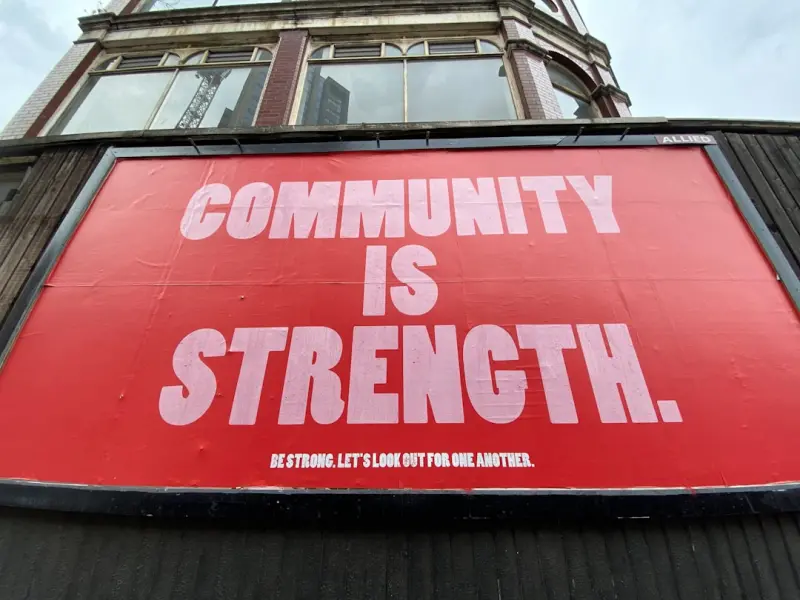
In the end, the power of community fridges lies not just in the cold they provide, but in the warmth they generate – a reminder that sharing a simple piece of fruit can be an act of resistance against isolation, waste, and climate change. As Canadians, we’ve always found strength in coming together, whether it’s on the ice rink or around a campfire. The community fridge is the next logical gathering point, a humble metal box that holds the promise of a more connected, sustainable, and caring Canada.

Related Posts

Turning Up the Heat Without Turning Up the Bill: Canada’s Home Energy Renaissance
A practical guide to low‑cost home upgrades, smart thermostats, community heat‑share models, and... Read More
Why Co‑Living Communities Are the Next Big Thing in Canadian Suburbs
Co‑living is redefining suburban life in Canada, offering affordable homes, built‑in community, ... Read More

Powering Community: How Canadian Solar Co‑ops Are Changing the Neighborhood Landscape
From Halifax rooftops to prairie fields, community solar co‑ops are uniting Canadians around clean... Read More
Top Posts

Sip Sustainably: The Zero‑Waste Cocktail Movement That's Shaking Up Bars
Zero‑waste mixology is reshaping the bar scene, turning leftover ingredients into innovative drinks while fostering sustainability, community, and new flavor ...Read More

Carbon Pricing as Canada’s New Political Compass
Carbon pricing is more than a fiscal tool—it’s a political catalyst. This deep dive examines how Canada’s carbon price influences provincial power dynamic...Read More

When Digital Play Becomes a Profit Engine: A Parental Warning
Explore how today’s “fun” tech hides data collection, brand pressure, and hidden costs, and get actionable tips for safeguarding children’s privacy and ...Read More

Fermentation Fever: Home‑Made Probiotics Redefine Kitchens
Fermentation has surged from a niche hobby to a mainstream movement, offering health benefits, waste reduction, and flavorful creativity. This guide dives into ...Read More
0 Comments
Post Comment
You will need to Login or Register to comment on this post!