

Micro‑Cabins: The Quiet Revolution Redefining Canadian Living
Across the vast Canadian landscape, a subtle yet powerful shift is taking place. More than just a design fad, micro‑cabins are becoming a tangible answer to the yearning for simplicity, sustainability, and a deeper connection to the land. From the pine‑scented forests of British Columbia to the rugged coastlines of Nova Scotia, Canadians are swapping sprawling suburban lots for compact, thoughtfully crafted dwellings that sit snugly among the trees. This movement isn’t driven solely by economics; it taps into a cultural desire to live deliberately, to hear the wind through spruce branches instead of traffic horns, and to make homeownership attainable again in an era of soaring real estate prices. As someone who has trekked from a city loft to a cedar‑clad cabin, I’ve felt the profound calm that these tiny sanctuaries provide—a calm that resonates far beyond the four walls.
Why Tiny? Affordability Meets Authenticity
For many Canadians, the price of a traditional house has become a barrier that feels almost insurmountable. Micro‑cabins, typically ranging from 150 to 400 square feet, slash construction costs dramatically, allowing first‑time buyers to step onto the property ladder without drowning in debt. But the appeal extends beyond the wallet. These dwellings are deliberately designed to showcase the surrounding environment, with large windows framing lake views and open‑plan interiors that breathe with the seasons. The reduced footprint also means less energy consumption, aligning perfectly with a growing national emphasis on reducing carbon emissions. In practice, owners report lower utility bills, fewer maintenance headaches, and a renewed appreciation for the things that truly matter—like a sunrise over a misty boreal forest rather than the glare of a city skyline.
Design Principles Rooted in Sustainability
The heart of a micro‑cabin lies in its design philosophy, which prioritizes eco‑friendly materials and energy efficiency. Builders are turning to reclaimed timber from old barns, locally sourced stone, and insulated panels that keep interiors cozy even when winter winds howl outside. Passive solar design—strategically placing windows to capture sunlight—reduces the need for artificial heating, while green roofs blend the structure seamlessly into its natural setting. Many cabins incorporate composting toilets and rainwater harvesting systems, further minimizing environmental impact. By embracing these principles, homeowners not only lower their ecological footprint but also celebrate Canada’s rich tradition of craftsmanship, turning each cabin into a living work of art that honors both heritage and modern sustainability standards.
Navigating Zoning and Permits: A New Municipal Dialogue
One of the biggest hurdles for aspiring cabin owners is the maze of zoning regulations that vary dramatically from province to province. Historically, many municipalities classified tiny homes as accessory structures, limiting their use as primary residences. However, a growing number of towns—especially those seeking to revitalize rural economies—are revisiting these policies. Pilot programs in Ontario and Alberta now allow micro‑cabins on designated “tiny‑home friendly” zones, provided they meet strict safety and environmental criteria. Engaging with local councils early in the planning process can smooth the path to approval, and community workshops are emerging to educate residents on the benefits of integrating these dwellings into the existing fabric of towns. This evolving regulatory landscape signals a promising partnership between citizens and policymakers, aimed at expanding housing options without compromising community standards.
Community Clusters: The Social Fabric of Cabin Living
While the image of a solitary cabin evokes romantic solitude, many Canadians are opting for cabin clusters that foster a sense of community while preserving privacy. These intentional neighborhoods share amenities such as communal wood‑stoves, tool libraries, and even shared gardens. By pooling resources, residents can enjoy bulk‑purchased firewood, locally sourced produce, and collective maintenance services—an approach reminiscent of neighborhood bulk buying clubs. This cooperative model not only reduces individual costs but also builds strong social ties, turning isolated dwellings into vibrant micro‑societies where neighbors greet each other over the porch and collaborate on sustainability projects. The result is a balanced lifestyle that marries independence with the comfort of a close‑knit community.
Economic Ripple Effects: Boosting Local Craftsmanship
The rise of micro‑cabins is creating a ripple of economic opportunities for local artisans, carpenters, and suppliers. Small‑scale manufacturers of insulated panels, handcrafted hardware, and eco‑friendly finishes are experiencing a surge in demand, fostering a renaissance of Canadian craftsmanship. Moreover, cabin owners often turn to direct‑to‑consumer sales channels to source locally grown herbs, smoked meats, and artisanal goods that complement their simple living ethos. This symbiotic relationship strengthens regional economies, encouraging a cycle where the demand for sustainable living spaces fuels the growth of homegrown businesses, which in turn supply the very materials and products that make cabin life appealing.
Well‑Being Benefits: From Clutter to Clarity
Living in a micro‑cabin forces a natural decluttering of possessions, prompting owners to evaluate what truly adds value to their lives. The limited storage space encourages a minimalist mindset, reducing stress associated with excess belongings. Psychologists note that such environments can enhance mental clarity, improve sleep quality, and foster a deeper appreciation for the present moment. Seasonal living—adjusting interior décor to reflect spring blossoms, summer daylight, autumn foliage, and winter snow—creates a rhythmic connection to nature’s cycles, promoting a sense of grounding often lost in urban hustle. Many cabin dwellers report heightened creativity and productivity, attributing these gains to the tranquil surroundings and the intentional simplicity that defines their homes.
Overcoming Practical Challenges: Connectivity and Comfort
Despite their many advantages, micro‑cabins present practical challenges that require innovative solutions. Insulation is paramount; high‑performance walls and triple‑glazed windows are essential to maintain warmth during frigid Canadian winters. Off‑grid power systems—solar panels paired with battery storage—provide reliable electricity, while satellite internet bridges the digital divide for remote workers. Water and sewage can be managed through well‑water systems and composting toilets, reducing reliance on municipal infrastructure. Builders are also experimenting with modular utility pods that can be discreetly placed beneath the cabin, offering easy access for maintenance. By embracing technology and thoughtful design, these obstacles become manageable, ensuring that cabin living remains comfortable year‑round.
Looking Ahead: Micro‑Cabins as a Housing Solution
As Canada grapples with a housing affordability crisis, micro‑cabins emerge as a compelling part of the solution. Their modest size, lower cost, and sustainable footprint align with national goals of reducing carbon emissions and promoting regional development. Governments are beginning to recognize this potential, offering incentives for eco‑friendly construction and fast‑tracking permits for approved tiny‑home projects. For prospective homeowners, the path forward involves researching local regulations, partnering with trusted builders, and envisioning how a compact dwelling can complement a broader lifestyle vision. In embracing micro‑cabins, Canadians are not merely building smaller houses; they are crafting a new narrative of living that honors the land, community, and personal well‑being.

Related Posts

Tiny‑Home Villages: Canada’s Affordable, Sustainable Living Revolution
Canada’s tiny‑home villages offer a fresh solution to housing shortages, combining low‑cost mo... Read More
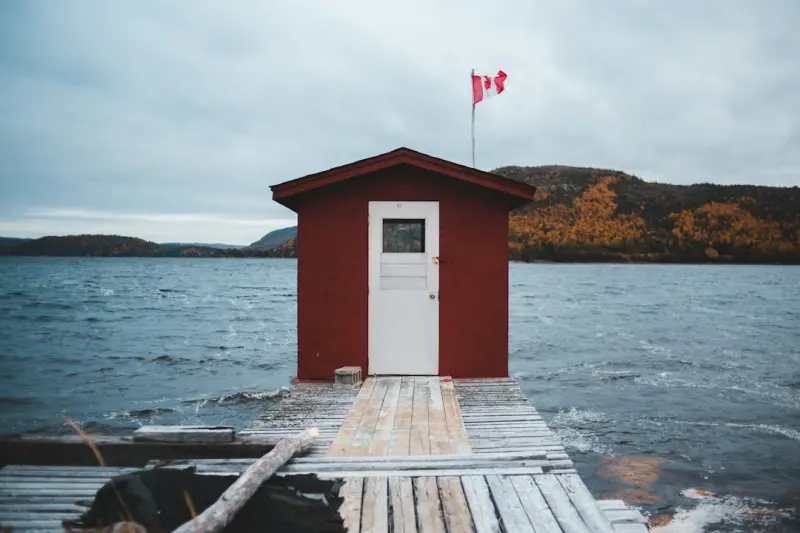
Cabin‑Office Fusion: How Canadians Are Redefining Work and Play in the Wilderness
A deep dive into the cabin‑office trend shows how relocating to rustic retreats, backed by modern ... Read More

How Community Fridges Are Rewriting the Canadian Neighborhood Playbook
Community fridges are emerging as low‑tech hubs that combat food waste, boost local economies, and... Read More
Top Posts

Micro‑Movement Mastery: Tiny Shifts for Big Health Gains
Learn practical micro‑movement techniques that fit into any workday, helping remote and office workers alike break sedentary habits, enhance posture, and boos...Read More

AI-Powered Research: How Small Law Firms Are Redefining Practice
Explore the rise of AI in small law firms, its ethical challenges, cost benefits, and practical steps to integrate technology without compromising client trust....Read More
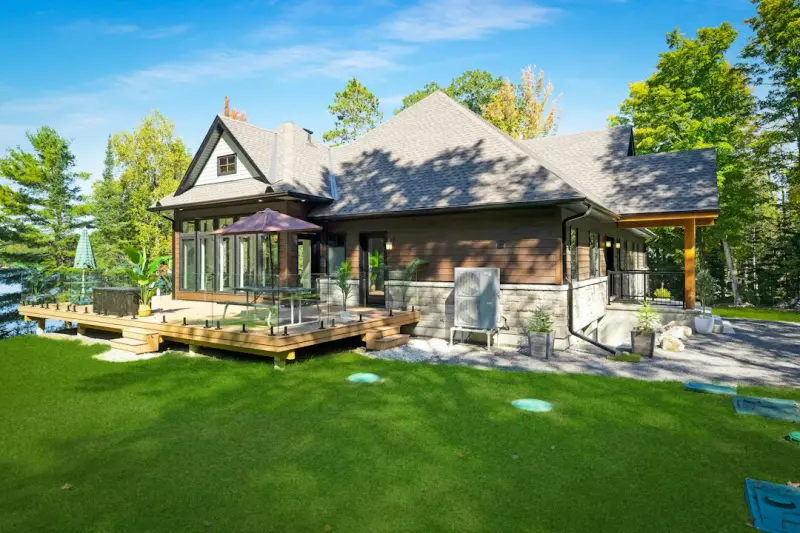
Reimagining the Canadian Cottage: Tradition Meets Tomorrow
A fresh look at Canada’s beloved cottage culture, showing how traditional charm can coexist with renewable energy, smart home tech, and community initiatives ...Read More

Nourishing the Modern Professional: Fermentation, Adaptogens, and Seasonal Eating
A practical guide for busy professionals that blends fermentation, adaptogenic herbs, seasonal produce, and community kitchen tools to create nutritious, sustai...Read More
0 Comments
Post Comment
You will need to Login or Register to comment on this post!