
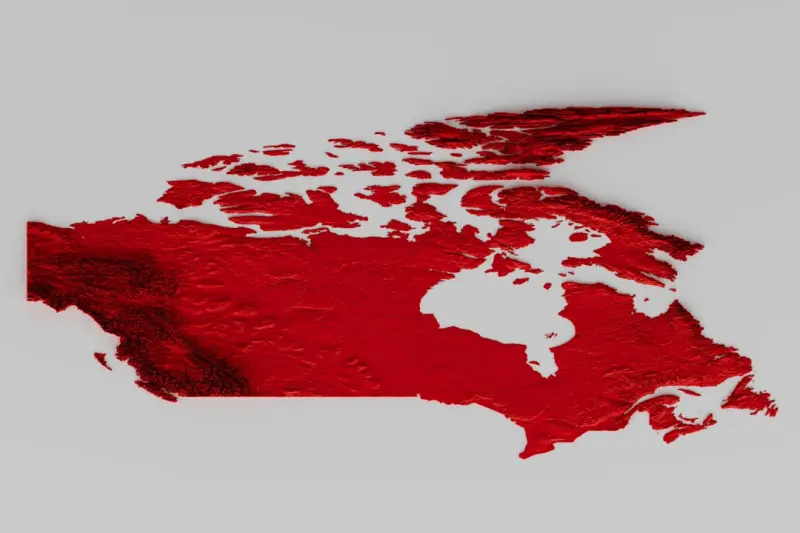
Immersive Storytelling: The Next Wave in Canadian Entertainment
When I first stepped into a pop‑up, 360‑degree theatre in Toronto’s Distillery District, I expected a novelty act. What I got was a full‑bodied narrative that wrapped around my senses, made me a character, and left me questioning the very definition of “spectator.” This isn’t a fleeting gimmick; it’s the emergence of a new creative economy that’s quietly rewiring how Canadians experience drama, music, and even sport.
Why Immersion Matters More Than Ever
Canada’s cultural mosaic has always thrived on storytelling, from the oral traditions of First Nations to the gritty indie films of Vancouver’s alleyways. Yet the way stories are consumed has become fragmented: binge‑watching on streaming platforms, scrolling through bite‑size TikTok clips, and attending concerts that feel more like background noise. Immersive experiences collapse that fragmentation by demanding full attention, turning passive viewers into active participants.
From a creator’s perspective, immersion offers three powerful incentives:
- Creative freedom. Designers can blend live performance, projection mapping, scent, and haptic feedback, crafting worlds that would have been impossible on a traditional stage.
- Economic upside. Premium ticket pricing and extended run times generate higher revenue per seat, while the novelty factor drives tourism and media coverage.
- Community connection. By inviting audiences to co‑create moments, these productions foster a sense of belonging that outlasts the curtain call.
From Fringe to Mainstream: A Canadian Timeline
The roots of immersive theatre can be traced back to the early 2000s, when experimental troupes in Montreal and Calgary began staging “site‑specific” pieces in abandoned warehouses. Fast forward a decade, and cities like Vancouver and Edmonton have seen permanent venues dedicated to this format, such as Vancouver’s StoryScape and Edmonton’s Pulse Lab. These spaces are more than just stages; they’re laboratories where technologists, dramaturgs, and visual artists collaborate.
What’s striking is the speed of adoption. In the past five years, over 150 immersive productions have launched across Canada, ranging from horror‑driven escape rooms to lyrical dance journeys that respond to audience heart rates. The momentum is not limited to major metros—smaller towns are leveraging local folklore to create pop‑up experiences that draw visitors from across the province.
Indigenous Narratives Find New Form
One of the most profound shifts is the integration of Indigenous storytelling methods into immersive formats. Traditional Indigenous narratives are inherently participatory—listeners are invited to feel, move, and respond. By pairing these stories with cutting‑edge tech, creators are honoring authenticity while expanding reach.
Projects like Echoes of the Land in Winnipeg invite participants to walk through a digital forest where the rustle of leaves triggers recorded oral histories from local elders. The result is an environment that feels both ancient and futuristic, allowing non‑Indigenous audiences to experience a piece of cultural heritage in a visceral way.
Technology: The Quiet Enabler
While the artistic vision drives immersive work, the technology behind it is evolving at a breakneck pace. Affordable AR headsets, spatial audio rigs, and real‑time motion capture are now within reach of mid‑budget productions. Even more intriguing is the rise of AI‑generated soundscapes that adapt to audience movement, creating a dynamic soundtrack that feels personal.
For those wondering how AI intersects with entertainment, there’s a growing conversation about its role in music composition and scriptwriting. The When AI Becomes Your Lawyer article explores broader implications, but the same underlying technology is reshaping how creators brainstorm and prototype scenes in seconds rather than weeks.
Economic Ripple Effects
Immersive venues are creating a ripple of economic activity beyond ticket sales. Local businesses—cafés, boutique hotels, and transport services—report upticks in foot traffic when a major production opens. Moreover, these experiences often require specialized crew members: lighting designers, projection artists, sound engineers, and even scent technicians, adding new skilled jobs to the Canadian labor market.
In regions where tourism is seasonal, immersive shows provide a year‑round draw. For instance, a winter‑time ice‑theatre that incorporates interactive LED installations can attract visitors who might otherwise skip the colder months. This diversification helps stabilize local economies and showcases Canada’s capacity for innovative cultural tourism.
Challenges and Considerations
Despite the excitement, the immersive sector faces hurdles:
- Accessibility. Sensory‑rich environments can be overwhelming for neurodivergent attendees. Producers must design with inclusivity in mind, offering sensory‑friendly sessions and clear guidance.
- Safety. Physical interaction with sets raises liability concerns. Clear protocols and staff training are essential to prevent accidents.
- Sustainability. The tech‑heavy nature of productions can lead to high energy consumption. Some companies are turning to renewable energy sources and recyclable set materials to mitigate impact.
Addressing these issues isn’t just ethical—it’s a strategic move. Audiences are increasingly conscious of the values behind the experiences they purchase, and a reputation for responsible practices can become a competitive advantage.
Cross‑Border Collaborations and the Global Stage
Canadian immersive creators are not working in isolation. Partnerships with European festivals, Asian tech firms, and American theatre companies are becoming commonplace. These collaborations bring fresh perspectives, shared resources, and broader distribution channels.
One notable example is the joint venture between a Toronto‑based immersive studio and a Berlin VR collective, resulting in a bilingual, multi‑city tour that blended live performance with location‑based AR. Such projects highlight Canada’s position as a hub for creative exchange, where cultural storytelling meets technological innovation.
Future Outlook: From Pop‑Ups to Permanent Ecosystems
Looking ahead, the trajectory points toward integrated entertainment ecosystems. Imagine a downtown district where cafés, galleries, and co‑working spaces are woven together with immersive installations that evolve nightly based on community input. This vision aligns with broader urban development trends that prioritize experience‑centric design.
For entrepreneurs, the opportunity lies in building platforms that enable smaller artists to access high‑quality immersive tools without massive upfront investment. Subscription‑based equipment rentals, shared production studios, and open‑source software libraries could democratize the field, ensuring that fresh voices from every corner of Canada can contribute.
Takeaway: Embrace the Playful Experiment
Immersive storytelling is more than a buzzword; it’s a catalyst for cultural, economic, and technological growth. By embracing this playful experiment, Canada can amplify its rich narrative heritage while positioning itself at the forefront of a global entertainment evolution. Whether you’re a creator, a city planner, or simply an audience member craving deeper connection, now is the moment to step into the story.

Related Posts

Canada’s Live‑Performance Scene Thrives Digitally
Canada’s live‑performance sector is undergoing a renaissance, blending in‑person shows with li... Read More

From Small‑Screen to Big‑Stage: How Canada’s Indie Game Studios Are Redefining Entertainment
Canadian indie game developers are turning local stories, diverse languages, and cutting‑edge tech... Read More

The Rising Tides of Canadian Entertainment: Fresh Voices, New Platforms, and Bold Innovations
Canadian entertainment is thriving with authentic narratives, Indigenous storytelling, and tech‑dr... Read More
Top Posts

Co‑Creation Marketing: Turning Communities into Creative Powerhouses
Learn why community co‑creation is the next big shift in marketing, how to implement it ethically, and the tools that turn customer ideas into brand growth....Read More

Urban Foraging: Turning City Streets into Superfood Supply
Learn the basics of urban foraging, from identifying safe edible weeds to transforming them into gourmet dishes, all while enhancing nutrition, reducing waste, ...Read More

The Evolution of Canadian Agriculture: A Shift Towards Sustainable Practices
Canadian agriculture is undergoing a significant transformation towards sustainable practices. Learn how farmers are adopting innovative techniques to reduce th...Read More
Fermentation Nation: Wild Cultures Are Rewriting the Food & Drink Landscape
Fermented foods and drinks are surging in popularity, offering gut‑friendly benefits, bold flavors, and sustainable production. This article dives into the sc...Read More
0 Comments
Post Comment
You will need to Login or Register to comment on this post!