

Powering the Future: How Clean Energy is Transforming Cruises and Bus Tours
When I first stepped aboard a sleek, solar‑topped ferry in the Pacific Northwest, I expected the usual cocktail of sea‑salt air and polished wood. What I got instead was a quiet hum, a faint scent of electricity, and a sense that the travel industry was finally pulling its head out of the clouds and onto the deck of a greener future. As someone who has spent the last decade riding everything from cross‑country motorcoaches to luxury liners, I can tell you that the shift toward sustainable propulsion isn’t just a buzzword—it’s a tidal wave that’s reshaping the very way we move people across continents and oceans.
From Diesel Dominance to Decarbonized Dreams
For decades, diesel has been the workhorse of both bus fleets and cruise ships. The engines roar, the exhaust fumes curl, and the operational costs—fuel, maintenance, and compliance—eat into margins. But the writing on the wall is clear: regulators, investors, and travelers are demanding cleaner alternatives. In North America, the International Maritime Organization (IMO) has set ambitious greenhouse‑gas (GHG) reduction targets for ships, while many U.S. states are tightening emissions standards for heavy‑duty buses.
What does this mean for operators? It means rethinking the entire powertrain. It means looking beyond the tried‑and‑true diesel cylinder and exploring a menu of low‑carbon technologies: battery‑electric, hydrogen fuel cells, and advanced biofuels.
Battery‑Electric Bus Tours: The Quiet Revolution on the Road
Electrified buses have been a hot topic in urban transit, but their potential on longer, intercity tours has been underappreciated—until now. Modern lithium‑ion packs, bolstered by fast‑charging infrastructure, can comfortably handle 300‑plus miles on a single charge, enough for most popular tour circuits.
- Reduced operating costs. Electricity is typically 30‑50% cheaper per mile than diesel, and electric drivetrains have fewer moving parts, translating to lower maintenance expenses.
- Enhanced passenger experience. The quiet glide eliminates the constant drone of diesel engines, allowing guides to speak without shouting and passengers to enjoy unobstructed conversations.
- Marketing gold. “Zero‑emission tour” is a phrase that instantly resonates with eco‑conscious travelers looking for authentic, low‑impact experiences.
Companies that have taken the plunge are already seeing dividends. A Midwest tour operator reported a 20% increase in bookings after advertising its fully electric coach fleet, noting that the “green” label opened doors to corporate travel accounts with sustainability mandates.
Hydrogen Fuel Cells: The Ocean’s New Power Source
While battery‑electric solutions are gaining traction on land, the massive energy demands of cruise ships call for a different answer. Hydrogen fuel cells present a compelling middle ground: they produce electricity via a chemical reaction—water being the only by‑product—yet can deliver the long‑range performance that massive vessels require.
Several leading cruise lines have launched pilot programs deploying hydrogen‑powered ferries for short‑haul routes, such as island hopping in the Caribbean. These vessels can refuel in under 15 minutes at specialized ports, a critical advantage over the hours required for full battery recharging.
Critics often point to the current scarcity of hydrogen infrastructure, but the tide is turning. Governments across Europe and Asia are investing billions in hydrogen hubs, and the technology is scaling fast enough that a global network could be viable within the next decade.
Advanced Biofuels: Bridging the Gap
Not every operator can jump straight to electricity or hydrogen, especially those with legacy fleets. Here, advanced biofuels—derived from waste oils, algae, or sustainably sourced agricultural residues—serve as a transitional bridge. These fuels can be used in existing diesel engines with minimal modifications, delivering up to a 80% reduction in lifecycle carbon emissions.
In the cruise sector, a handful of mid‑size ships have already begun blending biofuel with conventional marine diesel, achieving compliance with upcoming IMO carbon intensity standards while buying time to develop full‑scale electric or hydrogen solutions.
Data‑Driven Optimization: Making Clean Energy Work
Transitioning to greener propulsion isn’t just a matter of swapping out engines. It requires a data‑centric mindset to maximize efficiency. Real‑time monitoring of battery state‑of‑charge, fuel cell performance, and route topography can inform dynamic scheduling that minimizes energy waste.
For instance, a bus tour company can use predictive analytics to adjust departure times based on traffic patterns, ensuring that electric buses operate in the most energy‑efficient windows. Similarly, cruise operators can align sailing speeds with tidal currents to shave off fuel consumption without compromising itinerary fidelity.
These practices echo the insights from Conversational Commerce, where real‑time data fuels personalized experiences. In the travel context, data becomes the invisible conductor, orchestrating a symphony of sustainability and service quality.
Regenerative Partnerships: Turning Propulsion into Conservation
Clean propulsion opens the door to deeper collaborations with environmental NGOs and local communities. Imagine a cruise line that not only runs on hydrogen but also funds marine habitat restoration projects at every port of call. Or a bus tour operator that partners with regional parks to plant trees equivalent to the CO₂ saved by their electric fleet.
These partnerships transform a simple travel experience into a regenerative act—a concept explored in Regenerative Tourism. By linking propulsion choices directly to on‑the‑ground conservation outcomes, brands can differentiate themselves in a crowded market and build lasting loyalty among purpose‑driven travelers.
Financial Incentives: Making the Switch Viable
One of the biggest hurdles for operators is the upfront capital required for new vessels or retrofits. Fortunately, a growing array of financial tools is emerging:
- Green bonds. Investors are eager to fund low‑carbon projects, offering favorable rates for ships and buses that meet strict emissions criteria.
- Government grants and tax credits. Many jurisdictions provide subsidies for purchasing electric buses or installing hydrogen refueling stations.
- Leasing models. Companies can lease electric buses or fuel‑cell ships, spreading costs over time while preserving balance‑sheet flexibility.
These mechanisms lower the barrier to entry, allowing mid‑size operators—often the most innovative and agile players—to lead the charge.
Customer Expectations: The Green Premium Is Real
Today's travelers are savvy. A recent survey of cruise enthusiasts revealed that 68% would be willing to pay a modest premium for a ship powered by renewable energy. Bus tourists, especially those on eco‑focused tours, are equally enthusiastic about riding in silence, breathing cleaner air, and sharing a carbon‑light story with friends.
This shift mirrors broader consumer trends: sustainability is no longer a niche concern; it’s a mainstream demand. Companies that ignore it risk falling behind, while those that embrace clean energy can command higher fares, attract corporate accounts, and secure repeat business.
Challenges on the Horizon
Transitioning an entire industry is never a smooth sail. Key challenges include:
- Infrastructure gaps. Hydrogen refueling stations and high‑capacity charging points are still unevenly distributed, particularly in remote ports and rural routes.
- Supply chain constraints. Battery raw materials (lithium, cobalt) face geopolitical and ethical sourcing concerns, necessitating responsible procurement practices.
- Regulatory uncertainty. While many governments have set emission targets, the specific standards for marine and heavy‑duty road transport are still evolving, creating a moving target for compliance.
Addressing these obstacles will require collaboration across the ecosystem: manufacturers, policymakers, financiers, and the operators themselves.
Looking Ahead: A Blueprint for the Next Decade
In my view, the future of cruises and bus tours will be defined by three intertwined pillars:
- Electrification and Hydrogen Adoption. Expect a steady increase in the share of electric buses on popular tour routes and a growing fleet of hydrogen‑powered ferries in environmentally sensitive regions.
- Data‑Driven Energy Management. Advanced analytics will become the norm, ensuring every kilowatt‑hour is used optimally, reducing costs, and enhancing passenger comfort.
- Regenerative Business Models. Operators will embed carbon‑offsetting, habitat restoration, and community investment into their core value propositions, turning transportation into a force for ecological good.
Those who act now—by investing in clean tech, forging sustainability partnerships, and leveraging data—will not only future‑proof their businesses but also lead the industry toward a truly low‑impact era of travel.
So the next time you board a silent electric coach climbing the Rockies or step onto a sleek, hydrogen‑fueled vessel cruising the fjords, remember: you’re not just traveling; you’re part of a larger movement that’s rewriting the story of how we explore our world—cleaner, quieter, and more connected than ever before.

Related Posts

Exploring the Hidden Gems of Rural America: A Journey Through Uncharted Getaways
Rural America offers a unique travel experience, with its vast landscapes, quaint charm, and authent... Read More
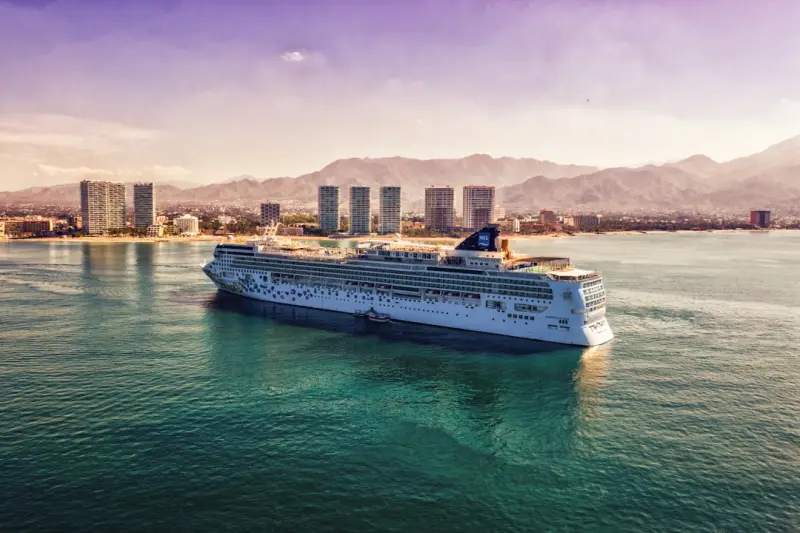
Sailing Roads: The Rise of Cruise‑Bus Hybrid Adventures
Explore the emerging cruise‑bus hybrid model, where sea voyages and overland journeys merge into a... Read More
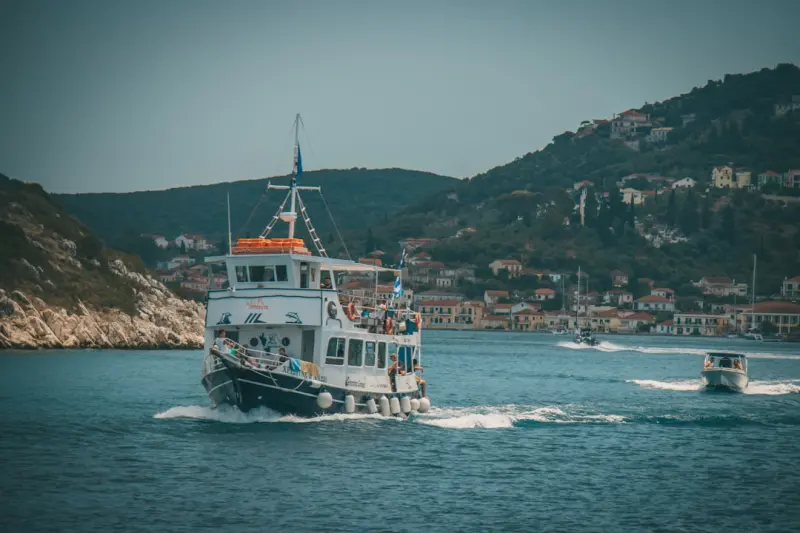
Mini‑Cruise, Mega‑Bus: Crafting Bite‑Size Sea Escapes
A concise sea journey combined with a themed bus tour offers a flexible, immersive adventure that ma... Read More
Top Posts

Strategic Deal‑Making: Turning SaaS Contracts Into Growth Levers
A deep dive into strategic SaaS deal‑making, covering vendor consolidation, tiered pricing, data‑driven negotiation, and how aligning procurement with reven...Read More

Turning Ethical Data Practices into a Business Moat
Discover why ethical data handling is now a strategic differentiator for B2B firms, and how integrating zero‑party data and composite SaaS bundles can create ...Read More

Parental Warning: Kids Are Getting Hooked on AI‑Powered Digital Collectibles
AI‑generated digital collectibles are dazzling kids, but they bring addiction, hidden costs, and privacy risks. Learn how parents can protect their children w...Read More

The Unseen Struggles of Canadian Parents: A Call for Change
Canadian parents are facing unprecedented mental health challenges. Learn how we can prioritize their well-being and create a brighter future for all....Read More
0 Comments
Post Comment
You will need to Login or Register to comment on this post!