
Why the Influencer Economy Needs Its Own Legal Playbook
When I first started advising creators, I quickly realized that the traditional legal frameworks we teach in law school feel like a square peg trying to fit into a round Instagram post. Influencers juggle brand contracts, copyright claims, and personal data obligations—all while chasing the next algorithmic boost. The stakes are high: a mis‑step can mean a lost partnership, a DMCA takedown, or even a costly lawsuit that derails a burgeoning career. Yet most creators treat legal counsel like an optional accessory, much like a filter on a photo. In reality, a solid legal foundation is the hidden lens that brings clarity to every deal, protects intellectual property, and keeps compliance headaches at bay. This piece walks you through the core components of a modern influencer’s legal strategy, from contract fundamentals to the emerging privacy rules that govern audience data. By the end, you’ll see why treating legal advice as a strategic investment—not a reactive afterthought—can turn a fleeting trend into a sustainable brand.
The Contract Conundrum: What Every Creator Should Insist On
Contracts are the lifeblood of influencer collaborations, but they often arrive as boilerplate PDFs that nobody reads. My clients swear by a three‑point checklist: scope of work, payment terms, and termination clauses. The scope should spell out deliverables down to the pixel—how many posts, platform specifics, hashtags, and any exclusivity periods. Payment terms must define not just the amount but the schedule, currency, and penalties for late payments; a clear invoice timeline can prevent cash‑flow nightmares. Finally, termination clauses safeguard you if a brand’s reputation takes a hit or if the partnership simply fizzles. It’s tempting to sign off quickly, but a well‑crafted contract is your safety net. For those who feel overwhelmed, consider a templated agreement as a starting point and then tailor it with a lawyer who understands the digital media landscape. As a practical tip, always request a “no‑shop” clause that prevents the brand from shopping your content to competitors without your consent—this preserves the value of your unique voice.
Intellectual Property: Guarding Your Creative Assets
Every caption, photo, and video you produce is a piece of intellectual property (IP) that deserves protection. The most common mistake influencers make is assuming that posting on a public platform automatically waives their rights. In fact, copyright automatically attaches the moment you create original content, but you must assert it. Registering key works with the Canadian Intellectual Property Office adds a layer of legal weight, especially if you ever need to enforce your rights abroad. Additionally, be wary of “work‑for‑hire” language in brand contracts; without explicit language stating you retain ownership, the brand could claim full rights to your content. Consider licensing agreements that allow the brand to use your work for a defined purpose while you keep the underlying ownership. This approach not only preserves your creative freedom but also creates a revenue stream through royalties. When you combine solid contracts with proactive IP registration, you transform your content from a fleeting meme into a lasting asset.
Data Privacy: Navigating the New Canadian Rules
Influencers are now custodians of vast amounts of personal data—email addresses from newsletters, analytics from third‑party tools, and even biometric data from live streams. Canada’s privacy legislation, especially the updated Personal Information Protection and Electronic Documents Act (PIPEDA), imposes strict obligations on how you collect, store, and share this information. First, obtain clear, informed consent before gathering any personal data; vague “by using this site you agree” statements won’t hold up. Second, implement robust security measures—encryption, two‑factor authentication, and regular audits—to protect data from breaches. Third, be transparent about third‑party vendors; if you use a scheduling app that accesses follower lists, you must disclose this in your privacy policy. Failure to comply can result in hefty fines and loss of audience trust. For a deeper dive into how emerging tech reshapes legal duties, check out the article on navigating the legal labyrinth of AI, remote work, and emerging tech. By treating privacy as a core component of your brand, you not only avoid penalties but also position yourself as a trustworthy voice in a skeptical market.
Dispute Resolution: When Things Go Off‑Script
Even the best‑crafted contracts can’t anticipate every hiccup. A brand might pull a campaign, a platform could demonetize a video, or a fan could claim defamation. In these scenarios, having a pre‑agreed dispute resolution mechanism can save both time and money. Arbitration clauses, for instance, allow you to resolve conflicts outside of court, often faster and with less public exposure. Choose a reputable arbitration body and specify the governing law—typically the province where you reside—to avoid jurisdictional confusion. Mediation is another valuable tool, especially for reputational disputes where a mutually agreeable solution preserves relationships. Remember, the goal isn’t to be combative but to protect your livelihood while maintaining professional decorum. A well‑drafted clause that outlines steps for notice, cure periods, and escalation paths can turn a potential crisis into a manageable conversation.
Taxation Tips for the Modern Influencer
Tax season can feel like navigating a maze of receipts, especially when income streams are diverse—sponsored posts, affiliate commissions, merch sales, and ad revenue. Canada’s tax code treats most of these earnings as business income, meaning you can deduct legitimate expenses such as equipment, software subscriptions, and even a portion of your home office. Keep meticulous records: digital receipts, bank statements, and a dedicated business credit card simplify the process and reduce the risk of an audit. Don’t forget to register for a GST/HST account once your revenues exceed $30,000 in a 12‑month period; failure to do so can attract penalties. For a strategic approach to managing cash flow, see the guide on tariff strategies for the modern Canadian entrepreneur. By integrating tax planning into your content calendar, you ensure that your creative pursuits remain financially viable year after year.
Building a Legal Toolkit: Resources Every Creator Should Own
Legal literacy isn’t reserved for big agencies; it’s an essential skill set for any creator who wants longevity. Start by assembling a basic toolkit: a reliable contract template, a checklist for IP ownership, a privacy policy generator, and a list of vetted legal professionals who specialize in digital media. Online platforms like the Canadian Bar Association offer webinars tailored to the influencer economy, and many law firms now provide “creator clinics” that offer free initial consultations. Additionally, the article on legal literacy for freelancers provides a solid foundation that translates well to influencer work. Investing time in these resources pays dividends—think of it as a proactive insurance policy that shields you from costly disputes and regulatory pitfalls. When you treat legal preparation as part of your creative process, you free up mental bandwidth to focus on what you love: storytelling and connection.
Future‑Proofing Your Brand: The Legal Edge in a Rapidly Evolving Landscape
The digital arena moves at warp speed, with new platforms, algorithm updates, and regulatory changes appearing almost daily. To stay ahead, treat legal strategy as an evolving roadmap rather than a one‑time checklist. Schedule quarterly legal audits to reassess contracts, IP holdings, and privacy compliance. Keep an eye on legislative trends—such as the growing emphasis on digital accessibility and the potential for stricter influencer disclosure rules—and adapt your policies accordingly. Cultivate a relationship with a lawyer who can provide real‑time counsel as you experiment with emerging formats like AR filters or NFT drops. By embedding legal foresight into your brand’s DNA, you not only mitigate risk but also signal professionalism to partners and audiences alike. In the end, the creators who thrive are those who blend creativity with a disciplined, legally‑savvy approach—turning every post into a secure, sustainable asset.

Related Posts
Navigating Defamation in the Age of TikTok and Twitter
A fresh look at how social media reshapes defamation law, with actionable tips for individuals and b... Read More

AI in the Courtroom: Balancing Innovation with Legal Responsibility
A deep dive into AI’s courtroom revolution, its promises, pitfalls, and how lawyers can navigate t... Read More

When AI Meets the Clause: Rethinking Contract Automation for Today's Legal Teams
Automation is no longer a convenience but a strategic necessity for legal teams. This post dives int... Read More
Top Posts
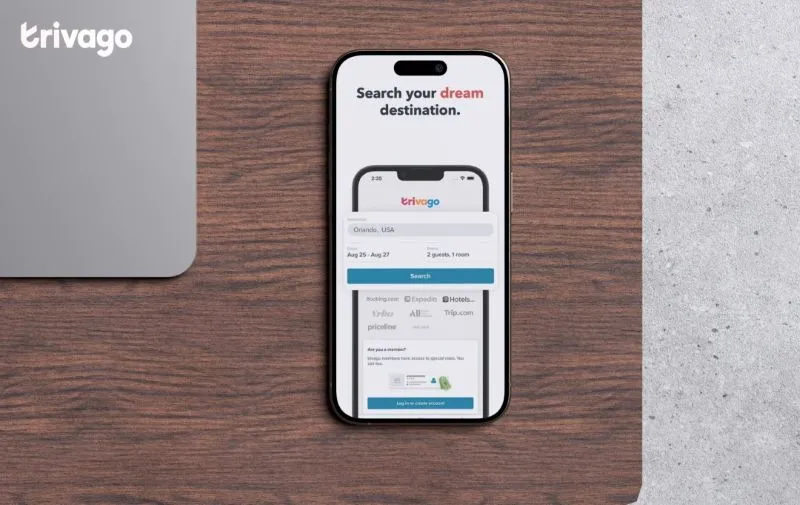
TRIVAGO The online Booking APP- Direct Hotel Booking vs. Third-Party Hotel Booking
I was buzzing with excitement for our trip to Niagara Falls. My wife and I had been planning a quick, scenic getaway for a while, and the dates were finally set...Read More

The Subscription Surge: How Everyday Services Are Eating Your Wallet
A deep dive into the growing subscription economy, revealing how tiny recurring fees add up, how to audit your expenses, and actionable tips to reclaim money fr...Read More

The Sunset Plate: Harnessing Colorful Foods for Peak Performance
Explore a practical, data‑driven approach to eating a colorful “sunset” plate, with quick recipes, local foraging tips, and mindful habits to enhance ener...Read More

National Data Commons: Turning Public Information into Innovation Engines
A National Data Commons could transform Canada’s economy by making government data openly accessible, fostering new business models, and ensuring privacy‑fi...Read More
0 Comments
Post Comment
You will need to Login or Register to comment on this post!