
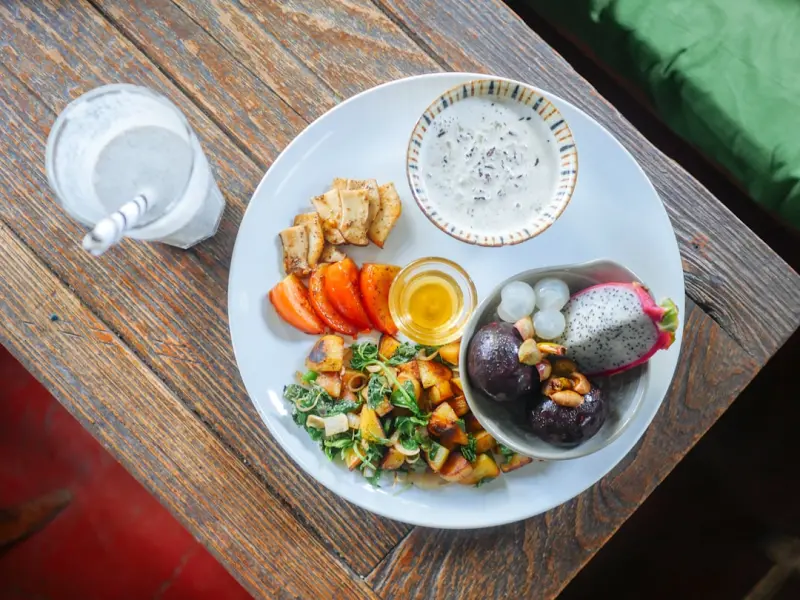
Why Your Plate Should Look Like a Sunset
When I’m sprinting between back‑to‑back meetings, I used to think “healthy eating” was a luxury reserved for yoga studios and weekend brunches. Then a simple experiment at my kitchen table turned that belief on its head: I decided to eat only foods that matched the colors of a sunset—deep orange carrots, ruby‑red beetroot, golden‑yellow squash, and the indigo‑blue hue of purple cabbage. The results were startling, both on my energy levels and my mindset. The rainbow isn’t just a visual treat; it’s a biochemical roadmap to a sharper, steadier brain and a happier gut.
The Science Behind Colorful Nutrition
Every pigment in fruits and vegetables is a cocktail of phytochemicals—antioxidants, flavonoids, and carotenoids—that do far more than just give food its shade. For example:
- Carotenoids (the orange in carrots and sweet potatoes) support eye health and boost immune function.
- Anthocyanins (the deep purple in eggplant and berries) have anti‑inflammatory properties that protect the cardiovascular system.
- Chlorophyll (the green in kale and spinach) helps detoxify the liver and improves oxygen transport in the blood.
When you combine these compounds across the spectrum, they work synergistically. A study in the Journal of Nutritional Biochemistry found that a multi‑colored diet reduced oxidative stress markers by 23 % more than a monochrome diet of similar caloric content.
Designing a Sunset Plate for the Busy Professional
Here’s a step‑by‑step framework I use to build a sunset‑inspired lunch that can be prepped in under ten minutes:
- Base Layer (Golden Yellow) – Roast a batch of cubed butternut squash with a drizzle of olive oil, salt, and smoked paprika. The natural sugars caramelize, giving you a quick source of complex carbs.
- Protein Punch (Crimson Red) – Grill or pan‑sear salmon fillets seasoned with turmeric. The omega‑3 fatty acids in salmon pair perfectly with the anti‑oxidant power of turmeric.
- Leafy Boost (Vibrant Green) – Toss baby spinach with a handful of arugula, a splash of lemon juice, and toasted pumpkin seeds for crunch.
- Accent Colors (Purple & Orange) – Add thin slices of roasted beetroot and a handful of fresh blueberries. These tiny bursts of flavor keep your palate engaged and your brain alert.
- Finishing Touch – Sprinkle a pinch of sea salt and cracked black pepper, then drizzle a spoonful of cold‑pressed avocado oil. The healthy fats aid in the absorption of fat‑soluble vitamins.
This plate covers six of the seven major color families and can be portioned into a reusable container for the commute. The best part? It tastes better the second day, making leftovers a win‑win.
From Foraging to Table: Leveraging Local Resources
One of the most exciting ways to keep your plate colorful is to tap into hyper‑local foraging movements. Urban farms, community gardens, and even sidewalk pop‑ups often offer heirloom varieties you won’t find in the supermarket. By sourcing directly from these micro‑ecosystems, you get:
- Freshness that translates to higher nutrient density.
- Seasonal diversity that naturally pushes you toward a broader palette.
- A chance to support local economies and reduce food‑miles, which aligns with sustainability goals.
In my city, a weekend “wild greens” workshop introduced me to ramps, lamb’s quarters, and purslane—each bursting with vitamins A, C, and K. Incorporating just a handful of these wild greens into a salad can add a fresh, peppery note while delivering a nutrient punch that rival’s any processed “superfood” powder.
Predictive Planning: Using Data to Stay Ahead of Nutrient Gaps
We live in an era where data drives decisions—why not apply the same principle to nutrition? By tracking your meals in a simple spreadsheet (or a dedicated app), you can identify which color families you’re consistently missing. Think of it as predictive savings for your health: the moment a gap appears, you receive a prompt to add a missing hue to your next grocery list.
Here’s a quick template you can copy:
| Day | Red | Orange | Yellow | Green | Blue/Purple |
|-----|-----|--------|--------|-------|-------------|
| Mon | ✅  | ❌     | ✅     | ✅    | ✅          |
| Tue | ✅  | ✅     | ❌     | ✅    | ❌          |
| ... | ... | ...    | ...    | ...   | ...         |
When you notice a recurring “❌” in the blue/purple column, schedule a grocery run for berries or a quick stir‑fry with bok choy. Over a month, this habit can raise your intake of anthocyanins by up to 40 %, which research links to improved memory retention.
Snack Hacks that Keep the Sunset Flowing
Snack time is the silent saboteur of many diets, but with a color‑first mindset, you can transform those mid‑day cravings into nutrient‑dense power‑ups.
- Spice‑Roasted Chickpeas (Orange) – Toss canned chickpeas with cumin, smoked paprika, and a dash of maple syrup, then bake until crunchy.
- Berry‑Almond Energy Balls (Red/Blue) – Blend freeze‑dried strawberries, blueberries, almond butter, and oats; roll into bite‑size balls and refrigerate.
- Green Smoothie Pops (Green) – Blend spinach, kiwi, banana, and coconut water; pour into silicone molds and freeze for a portable snack.
These snacks are not only easy to prep on a Sunday afternoon but also ensure that the visual appeal of your diet stays consistent throughout the day.
Mindful Eating: The Missing Ingredient
Even the most vibrant plate can lose its impact if you eat on autopilot. I’ve found that a simple five‑minute “color check” before each meal—where I pause to identify the hues on my plate and note how they make me feel—creates a feedback loop that reinforces healthy choices.
Ask yourself:
- Which colors dominate this meal?
- Do I feel energized, sluggish, or neutral after eating?
- Is there a color I’m neglecting this week?
Writing down these answers in a journal or a digital note keeps you accountable and makes the process feel less like a chore and more like an experiment.
Scaling the Sunset: From Solo to Team Meals
Sharing is caring, and when it comes to healthy eating, it’s also a performance booster. I recently introduced the “sunset lunch challenge” to my team of ten. Each member was tasked with creating a colorful plate and photographing it. The results were a gallery of creativity—from quinoa bowls splashed with roasted red pepper strips to sushi rolls wrapped in kale leaves.
The competition sparked conversations about local markets, seasonal produce, and even swap‑meet recipes. Within a month, our collective snack drawer transformed from a stash of stale granola bars to a rotating selection of fruit‑infused water, kale chips, and roasted seaweed.
Wrapping Up: The Sunset Isn’t Just a Metaphor
Eating a rainbow isn’t a fad; it’s a scientifically backed strategy that aligns with modern lifestyles. By planning ahead, leveraging local resources, and treating each color as a data point, you can turn everyday meals into a vibrant performance enhancer. So next time you reach for a lunch box, ask yourself: “Does this look like a sunset?” If the answer is yes, you’re on the right track.

Related Posts
Unlocking the Sprout Revolution: How Tiny Greens Supercharge Your Health
Sprouting turns humble seeds into nutrient‑dense greens that enhance digestion, reduce waste, and ... Read More
Seaweed Superpowers: Sustainable Nutrition from the Ocean’s Edge
Explore the health benefits, sustainability advantages, and practical ways to incorporate seaweed in... Read More
Why Your Plate Needs a Palette: The Science Behind Eating Colorful
A colorful plate isn’t just Instagram‑friendly—it’s a scientifically proven way to improve n... Read More
Top Posts

When the Lights Dim: Unconventional Ways to Make Your Prom Unforgettable
Explore bold, inclusive, and technology‑driven strategies that turn a traditional prom into an unforgettable celebration, with DIY fashion tips, immersive ven...Read More

Indigenous Self‑Governance: Shifting the Federal‑Provincial Power Balance
Indigenous self‑governance is moving from consultation to co‑creation, forcing federal and provincial governments to rethink power, revenue, and accountabil...Read More

Celebrating Life's Milestones: Why Prom and Graduation Matter
Prom and graduation are more than just parties and ceremonies; they represent the culmination of years of hard work, dedication, and perseverance. Read more abo...Read More

Pop‑Up Destinations: The New Frontier of Travel Experiences
Pop‑up destinations—short‑lived hotels, eateries, and cultural hubs—are transforming tourism by blending scarcity, community, and tech to create unforge...Read More
0 Comments
Post Comment
You will need to Login or Register to comment on this post!