

Micro‑Movement Mastery: Transforming Office Health One Step at a Time
When I first walked into a sleek, glass‑walled office in downtown Toronto, the buzz was unmistakable: high‑speed Wi‑Fi, standing desks, and a wall of motivational quotes promising “future‑focused productivity.” What wasn’t on the whiteboard, however, was a simple truth that many of us in the modern workforce overlook—our bodies are built for motion, not for marathon sitting sessions. In my years of consulting for tech startups and watching the evolution of workplace culture, I’ve come to believe that the secret to sustained health and performance lies in the micro‑movements we embed throughout our day.
Why Micro‑Movements Matter More Than a Gym Session
Research from leading ergonomics labs shows that the average office worker spends over eight hours seated each day. Even a single 30‑minute cardio workout can’t fully offset the metabolic slowdown caused by prolonged stillness. Micro‑movements—tiny, intentional actions such as ankle rotations, shoulder rolls, and brief desk‑side stretches—activate muscle fibers that would otherwise remain dormant. This constant low‑level activation improves blood circulation, reduces the risk of deep‑vein thrombosis, and even sharpens cognitive focus.
In my own routine, I’ve turned the act of reaching for a coffee mug into a “stretch‑pause”: I stand, roll my shoulders backward, flex my calves, and inhale deeply for three seconds. The result? A noticeable lift in energy within minutes, without the post‑exercise crash that often follows a heavy workout.
Building a Micro‑Movement Playbook
Creating a sustainable micro‑movement habit doesn’t require a complete office redesign. It simply needs a mental cue and a few practical tools. Below is a step‑by‑step playbook I’ve refined for busy professionals:
- Set the Cue. Pair a recurring event—like a new email notification or a Zoom call start—with a movement. For instance, every time you receive a message, stand, flex your forearms, and rotate your wrists.
- Choose the Move. Pick a movement that targets a different body region each time: neck circles, hip hinges, or seated spinal twists.
- Time It Right. Aim for 30‑second bursts. Use a timer on your phone or a subtle desktop widget to remind you.
- Track Progress. A simple spreadsheet or habit‑tracking app can log the number of micro‑breaks you complete each day, turning an invisible habit into a visible metric.
- Scale Up. Once the habit is ingrained, layer in more complex actions—like a quick desk‑side squat or a wall‑supported lunge.
These micro‑movements may seem trivial, but over weeks and months they accumulate into a measurable shift in musculoskeletal health.
The Science Behind the Small: Hormones, Blood Flow, and Brainwaves
Every time you stand up and stretch, you trigger a cascade of physiological responses:
- Increased Venous Return. Muscle contractions in the legs push blood back toward the heart, reducing pooling in the lower extremities.
- Release of Endorphins. Light activity stimulates the brain’s reward centers, producing feel‑good chemicals that combat stress.
- Enhanced Neuroplasticity. Short bursts of movement boost the production of brain‑derived neurotrophic factor (BDNF), a protein linked to improved learning and memory.
In practical terms, these benefits translate to sharper focus during meetings, fewer midday crashes, and a lower likelihood of chronic back pain—a common complaint among knowledge workers.
Integrating Micro‑Movement into Team Culture
When I consulted for a fast‑growing SaaS startup, the leadership team was skeptical. “We’re too busy to pause,” they said. To prove otherwise, we piloted a 4‑week “Movement Sprint.” The company designated a weekly “Movement Hour” where all employees participated in a guided series of micro‑exercises streamed via the internal chat platform. The results were surprising:
- Employee‑reported energy levels rose by 27%.
- Self‑reported stress scores dropped by 18%.
- Productivity metrics—measured by completed story points—improved by 12%.
The key was framing movement as a performance enhancer, not a wellness add‑on. By positioning micro‑movements as a competitive advantage, the team embraced the practice without feeling like they were sacrificing work time.
Micro‑Movements vs. Macro‑Health Trends
It’s easy to get caught up in big‑ticket health solutions: boutique fitness memberships, specialized diets, or the latest wearable tech. While those can be valuable, they often require significant financial commitment, time, and sustained motivation. Micro‑movements, by contrast, are low‑cost, low‑effort, and highly adaptable.
Consider the gut health breakthroughs that have dominated recent wellness conversations. Those innovations are impressive, yet they typically involve dietary changes, supplements, or fermenting equipment—barriers for many busy professionals. Micro‑movement, on the other hand, can be practiced in any chair, at any desk, without altering your lunch menu.
That said, micro‑movement isn’t meant to replace macro strategies; it’s a complementary layer. Think of it as the “foundation” that supports more ambitious health goals, whether you’re aiming for a marathon or mastering a new programming language.
The Financial Angle: How Tiny Health Investments Pay Big Dividends
One overlooked aspect of workplace health is the financial ripple effect. The financial stress and health article highlighted how escalating expenses can erode mental well‑being. Micro‑movements, however, are a zero‑cost intervention that can reduce healthcare expenses over time. Fewer musculoskeletal injuries mean fewer doctor visits, lower insurance premiums, and less lost productivity.
Moreover, companies that foster a culture of micro‑movement often see reduced absenteeism. A simple calculation: if each employee saves just one sick day per quarter due to fewer back problems, the aggregate savings for a 200‑person firm could equal thousands of dollars in retained labor hours.
Technology as a Catalyst, Not a Crutch
While the philosophy behind micro‑movement is deliberately low‑tech, digital tools can amplify adoption. Simple browser extensions that flash a reminder every 45 minutes, or Slack bots that post a “stand‑up challenge,” serve as nudges without feeling intrusive.
Even the most advanced wearables—heart‑rate monitors, posture trackers—can be leveraged to provide real‑time feedback. For instance, if a wearable detects prolonged inactivity, it can vibrate gently, prompting a stretch. The goal is to let technology act as a gentle coach, reinforcing the habit rather than dictating it.
Case Study: A Remote Team’s Journey from Couch‑Potato to Micro‑Movement Champions
Last year, a distributed product team based across three provinces decided to experiment with a “Desk‑Detox” protocol. Each member committed to three micro‑movement sets per workday, logged via a shared Google Sheet. Within six weeks, they reported:
- Improved posture scores (self‑assessed) by 35%.
- Reduced eye strain, attributed to more frequent “look‑away” breaks.
- Higher morale, as the shared activity fostered a sense of camaraderie.
The most striking outcome was the emergence of a grassroots “movement champion” role—team members voluntarily took turns leading short, fun movement routines during virtual stand‑ups. This organic leadership underscores how micro‑movements can evolve from a personal habit into a cultural touchstone.
Practical Tips for the Skeptical Reader
If you’re still on the fence, try the following low‑commitment experiment:
- Pick a Trigger. Choose something you do 10–15 times a day—checking your phone, typing a reply, or opening a new tab.
- Pair a 30‑Second Move. For each trigger, stand, roll your shoulders, and stretch your arms overhead.
- Track for One Week. Note any changes in focus, energy, or discomfort.
- Reflect. After seven days, compare your baseline with your observations. You’ll likely notice subtle but meaningful improvements.
The beauty of this approach is that it requires zero equipment, no extra time, and minimal disruption to your workflow.
Looking Ahead: The Future of Micro‑Movement in Hybrid Workspaces
As hybrid work becomes the norm, office designers are rethinking furniture layouts, introducing “movement zones” with balance boards and stretch stations. While these physical spaces are valuable, the real transformation will happen when employees internalize micro‑movement as a personal responsibility, regardless of where they sit.
Imagine a future where every virtual meeting agenda includes a two‑minute “movement break.” Or where AI‑driven calendars automatically schedule micro‑movement slots based on your workload. The potential is vast, and it starts with a single, intentional stretch today.
In short, micro‑movements are not a trendy fad; they are a pragmatic, evidence‑backed strategy for safeguarding health in a sedentary world. By embedding these tiny actions into our daily rhythm, we empower ourselves to stay physically resilient, mentally sharp, and financially savvy—without needing a gym membership, a costly diet plan, or a high‑tech gadget. The next time you reach for that coffee, remember: a quick stretch could be the most powerful thing you do for your health all day.

Related Posts

Biophilic Workspaces: How Nature‑Infused Offices Are Boosting Employee Health and Performance
Integrating natural light, living walls, and organic materials into office design can lower stress, ... Read More
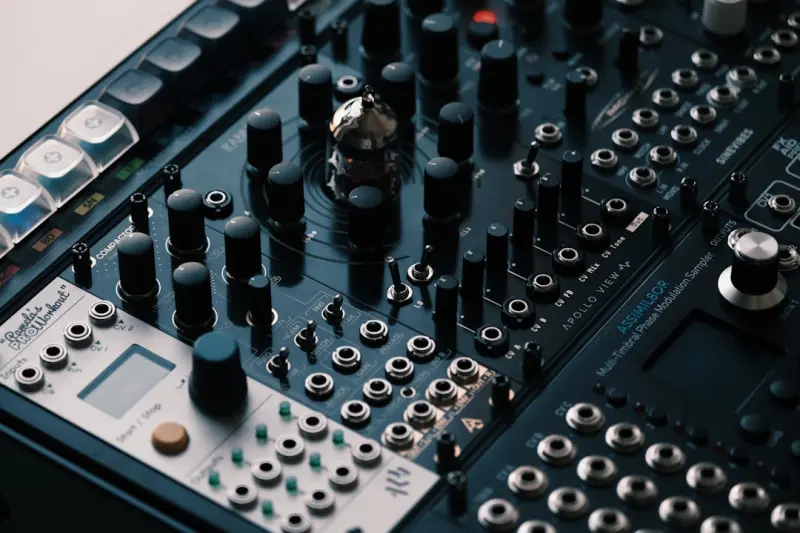
The Sound of Focus: Harnessing Ambient Audio for Workplace Wellness
A deep dive into how strategic ambient sound can enhance concentration, lower stress, and become a l... Read More

Digital Sabbaths: The Unexpected Health Hack Your Team Needs
A digital sabbath—structured screen‑free time—offers a science‑backed solution to burnout, e... Read More
Top Posts
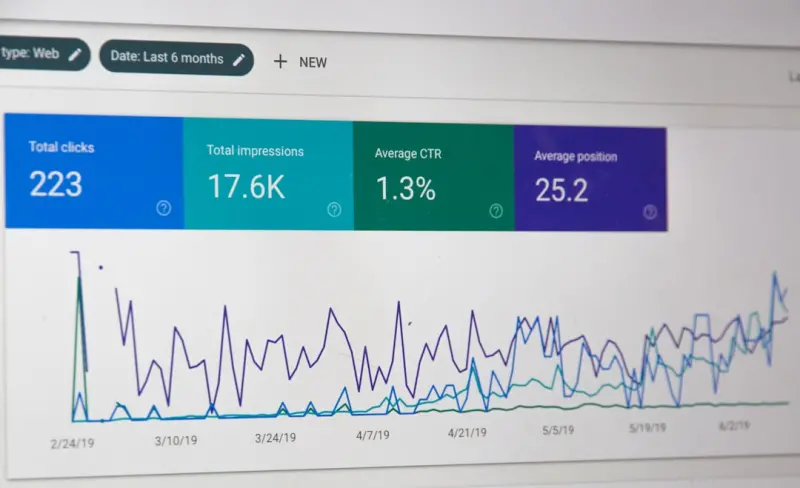
Zero‑Party Data: The Next Marketing Frontier
Zero‑party data lets brands earn, rather than extract, valuable customer insights. This post explores why it matters, how to collect it ethically, and ways to...Read More
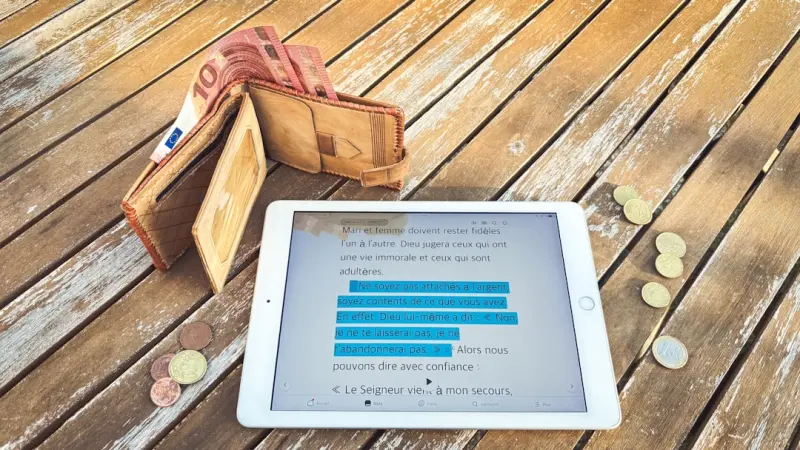
The SaaS Savings Playbook: How Smart Buyers Capture Maximum Value
Learn a step‑by‑step SaaS Savings Playbook that helps procurement teams negotiate better contracts, use bundling and usage‑based pricing, and turn SaaS sp...Read More

Tiny‑Home Villages: Canada’s Affordable, Sustainable Living Revolution
Canada’s tiny‑home villages offer a fresh solution to housing shortages, combining low‑cost modular cabins, shared renewable infrastructure, and strong co...Read More

Walking Your Way to Mental Resilience: Simple Steps for a Healthier Mind
Learn how simple daily walks, mindful breathing, and seasonal foods can transform mental resilience, offering a low‑cost, science‑backed path to better heal...Read More
0 Comments
Post Comment
You will need to Login or Register to comment on this post!