
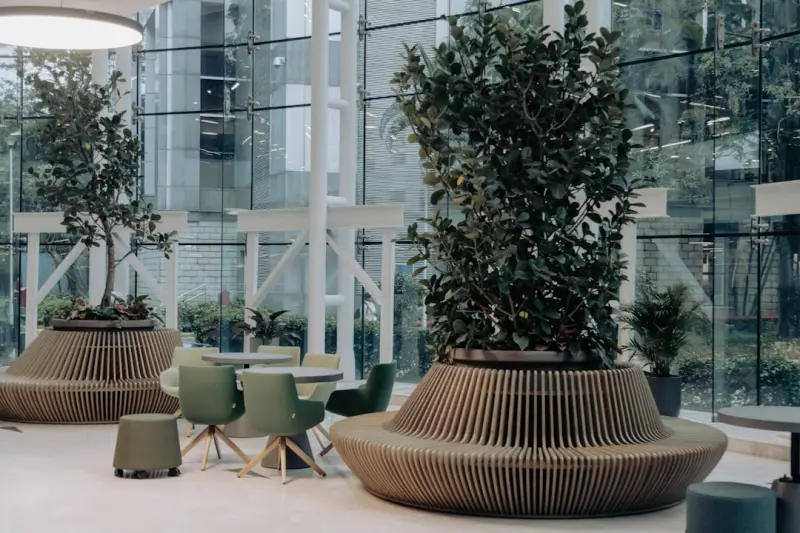
Biophilic Workspaces: How Bringing the Outdoors Inside Is Redefining Corporate Health
When I first stepped into a glass‑walled conference room draped in a cascade of trailing pothos, I felt something shift—not just in the air, but in my own nervous system. The subtle scent of green, the soft rustle of leaves against the hum of HVAC, and the way daylight filtered through a living wall created a sensory backdrop that felt surprisingly therapeutic. It was a reminder that our bodies have been wired for nature for millennia, and when we strip that context away, we pay a hidden health price.
In the fast‑paced world of B2B SaaS, where the next release cycle looms like a ticking clock, the idea of “nature‑centric office design” might sound like a luxury rather than a necessity. Yet, research is converging on a single, compelling truth: biophilic design—intentionally integrating natural elements into built environments—delivers measurable health benefits, boosts productivity, and even improves employee retention. This isn’t a fleeting trend; it’s a strategic health investment that aligns perfectly with the modern company’s goal of fostering resilient, high‑performing teams.
The Science Behind Biophilia
Biophilia, a term popularized by biologist E.O. Wilson, describes the innate human affinity for the natural world. It’s more than a philosophical concept; it’s a physiological response. When our brains encounter greenery, water, or natural light, several pathways light up:
- Reduced cortisol levels—Studies have shown that even a brief view of foliage can lower stress hormones, easing the mental load that often builds during intense coding sprints or client presentations.
- Enhanced heart‑rate variability (HRV)—HRV is a marker of autonomic nervous system balance. Exposure to natural scenes has been linked to improved HRV, indicating better stress resilience.
- Improved attention restoration—The Attention Restoration Theory suggests that nature replenishes our directed‑attention capacity, which is crucial for tasks that demand sustained focus.
- Boosted immune function—Certain indoor plants can filter volatile organic compounds (VOCs), leading to cleaner air and a reduced burden on the immune system.
These mechanisms are not abstract; they translate directly into bottom‑line outcomes. Lower stress translates to fewer sick days, better focus drives quicker feature roll‑outs, and a healthier workforce fuels innovation.
From Concept to Concrete: Key Elements of a Biophilic Office
Designing a biophilic workspace doesn’t require a full‑scale rainforest makeover. It’s about thoughtful integration of five core elements:
1. Natural Light
Daylight is the most potent health lever. Workers with access to windows report higher job satisfaction and experience less eye strain. Where windows are scarce, consider light‑diffusing skylights or full‑spectrum LED panels that mimic the sun’s spectrum. The goal is to avoid harsh, flickering fluorescents that can disrupt circadian rhythms.
2. Living Walls & Green Installations
Vertical gardens are a space‑saving way to bring foliage into dense office floors. Choose low‑maintenance species like Sansevieria or ZZ plant that thrive under artificial light. Beyond aesthetics, these walls actively filter air, reducing indoor pollutants.
3. Water Features
The sound of flowing water has a calming effect on the autonomic nervous system. Small tabletop fountains or wall‑mounted water curtains can introduce this element without the logistical headaches of a full pond.
4. Natural Materials
Wood, stone, and cork surfaces create tactile connections to the earth. Replacing plastic desk accessories with bamboo organizers or reclaimed wood conference tables not only looks warm but also signals a commitment to sustainability—a value that resonates deeply with many employees.
5. Organic Forms & Patterns
Curved furniture, undulating ceiling tiles, and biomorphic art break the rigid geometry of traditional offices. These forms echo the irregular patterns found in nature and can reduce the feeling of confinement that often accompanies open‑plan layouts.
Real‑World Success Stories
Companies across North America are already reaping the rewards of biophilic design. For instance, a leading SaaS firm in Toronto transformed its downtown headquarters by installing a 20‑foot living wall and replacing overhead fluorescents with daylight‑tuned LEDs. Within six months, they reported a 12% reduction in employee-reported stress levels and a 9% uptick in project delivery speed.
Another tech startup in Vancouver embraced a “forest floor” concept, covering floor tiles with reclaimed wood and integrating moss panels in communal spaces. The initiative not only boosted morale but also cut their HVAC energy consumption by 15%, reinforcing the link between environmental health and corporate sustainability goals.
Measuring Impact: Data‑Driven Health Metrics
Implementing biophilic design is only the first step; demonstrating its ROI requires data. Here are three metrics you can start tracking:
- Employee Wellness Survey Scores—Deploy quarterly pulse surveys that ask about stress, satisfaction with workspace, and perceived productivity.
- Absenteeism & Presenteeism Rates—Compare sick‑day trends before and after the design changes. Reduced absenteeism often correlates with better indoor air quality and stress reduction.
- Performance Benchmarks—Monitor sprint velocity, bug resolution time, and client satisfaction scores. Look for incremental improvements that align with the timeline of environmental upgrades.
When you combine these data points with qualitative feedback—stories of employees taking a moment to “reset” by walking past the indoor garden—you build a compelling case for continued investment.
Integrating Technology Without Undermining Nature
One might assume that technology and biophilic design are at odds, but modern workplaces can blend the two harmoniously. Smart sensors can monitor humidity, temperature, and light levels to ensure that plants thrive while maintaining optimal human comfort. For example, wearable wellness devices can feed anonymized data into facility management systems, prompting automatic adjustments to lighting or irrigation.
Another innovative approach is the use of augmented reality (AR) to overlay digital nature scenes in spaces where physical greenery is impractical. While not a substitute for real plants, AR can provide visual relief in high‑density cubicle farms, offering a mental “green break” without disrupting workflow.
Overcoming Common Barriers
Adopting biophilic design often faces three main hurdles:
Budget Constraints
While a full‑scale indoor forest can be costly, incremental upgrades are budget‑friendly. Start with potted plants at individual workstations, then phase in larger installations as ROI becomes evident.
Maintenance Concerns
Partner with local horticultural services that offer maintenance contracts. Choose hardy, low‑maintenance species, and automate watering through smart irrigation kits.
Corporate Culture Resistance
Some leaders may view nature as a “soft” amenity. Counter this perception with data—share before‑and‑after metrics, employee testimonials, and case studies that tie health improvements to business outcomes.
The Future of Workplace Health: A Holistic Blueprint
Biophilic design is a cornerstone of a broader, holistic health strategy that includes mental well‑being programs, flexible work arrangements, and nutrition initiatives. When you pair a green office with:
- On‑site meditation pods that echo natural sounds,
- Nutrition stations stocked with locally sourced produce, and
- Regular “nature walks” during lunch breaks,
you create a synergistic ecosystem where each element amplifies the others. Employees become ambassadors of health, and the organization cultivates a reputation as a forward‑thinking, people‑first brand.
Action Steps for Leaders Ready to Go Green
- Audit Your Space—Identify areas with the most potential for natural light or plant installations.
- Set Clear Objectives—Define health and performance KPIs you aim to influence.
- Start Small—Introduce desk‑level greenery and monitor immediate feedback.
- Scale Thoughtfully—Roll out larger installations like living walls in high‑traffic zones.
- Leverage Data—Use wellness surveys and performance metrics to refine the strategy.
- Celebrate Wins—Share success stories internally and externally to reinforce cultural adoption.
By treating biophilic design as a strategic health initiative rather than a decorative afterthought, you’ll position your organization at the forefront of a movement that redefines what a healthy workplace looks like.
Conclusion: Nature Is Not a Bonus, It’s a Business Imperative
In the relentless race for product excellence and market share, the most valuable asset you have is your people. Providing them with an environment that respects their innate need for nature is no longer a “nice‑to‑have” perk—it’s a competitive advantage. The data is clear, the stories are compelling, and the technology to support it is already at our fingertips. The question isn’t whether you can afford to go green; it’s whether you can afford not to.
Take the first step today. Bring a plant to your desk, open the blinds, and watch the subtle shift in your own well‑being. Then scale that experience across the organization, and watch health, happiness, and performance flourish together.

Related Posts
AI Health Dashboards: Turning Data Into Daily Vitality
An AI‑driven health dashboard consolidates wearables, sleep, and lifestyle data, offering personal... Read More

The Silent Danger of Hot Cars: OPP Warns of Life-Threatening Risks to Children and Pets in Ontario
As summer unfolds and temperatures climb across Ontario, the Ontario Provincial Police (OPP) is issu... Read More

Why Micro‑Movements Are the Secret Weapon for Healthier Hybrid Teams
Micro‑movements—tiny, intentional bursts of activity—are reshaping workplace health. This arti... Read More
Top Posts

The Quiet Revolution: Turning Wearables into Your Personal Health Coach
Discover how everyday wearables can become a personalized health coach, empowering you with data-driven insights, privacy safeguards, and practical steps to imp...Read More

Winter Food Halls: Canada’s Urban Eating Revolution
Winter food halls are turning Canada’s chilly season into a culinary celebration, uniting local chefs, farmers, and residents in climate‑controlled markets ...Read More
When Tariffs Turn Remote Teams into Strategic Assets
Tariffs are more than trade talk—they’re reshaping the cost and location of remote talent. This post dives into hidden cost layers, strategic diversificatio...Read More
When the Lights Dim: Unconventional Ways to Make Your Prom Unforgettable
Explore bold, inclusive, and technology‑driven strategies that turn a traditional prom into an unforgettable celebration, with DIY fashion tips, immersive ven...Read More
0 Comments
Post Comment
You will need to Login or Register to comment on this post!