
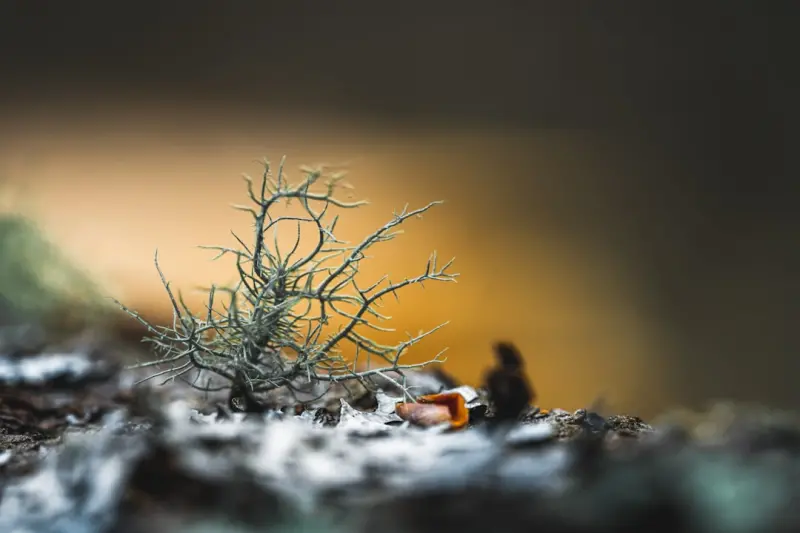
When I first walked into a downtown coworking space that doubled as a tiny greenhouse, I expected a novelty coffee shop. What I got instead was a lesson in how the smallest bits of nature can rewrite the script on corporate health. The scent of fresh basil, a mossy wall, and a low‑key fountain didn’t just make the room look pretty – they sparked a measurable shift in my mood, focus, and even my breathing.
The Science Behind “Micro‑Nature”
Researchers have long championed the benefits of full‑scale green spaces, from park walks to office rooftop gardens. But a growing body of evidence suggests that micro‑nature—tiny, intentional bursts of natural elements—can deliver comparable benefits without the need for sprawling square footage.
- Visual Relief: A quick glance at a leaf or a stone can give the brain a break from the relentless visual noise of screens.
- Auditory Calm: Soft water trickles or rustling grasses engage the parasympathetic nervous system, lowering cortisol levels.
- Biophilic Connection: Humans have an innate affinity for nature; even miniature touches trigger evolutionary pathways that improve mental health.
In a recent deep‑dive on sleep's role in performance, I explored how restorative cycles boost cognitive function. Micro‑nature works in a parallel lane: it provides micro‑rest periods that reset attention and emotional equilibrium.
Why Traditional Wellness Programs Miss the Mark
Most corporate wellness playbooks revolve around big‑ticket items: gym memberships, health fairs, or annual mental‑health days. While valuable, these interventions often suffer from two major flaws:
- Infrequency: A gym pass is great, but if you’re glued to a desk for eight hours, you might only use it once a week.
- Accessibility: Not every office can afford a state‑of‑the‑art fitness center or a rooftop garden.
Micro‑nature sidesteps both hurdles. A desk‑top succulent, a wall‑mounted moss panel, or a scented essential‑oil diffuser costs pennies, occupies inches, and can be refreshed daily. The key is intentional design, not random plant placement.
Designing a Micro‑Nature Strategy
Before you rush to the nearest nursery, ask yourself three guiding questions:
- What sensory gap am I filling? Identify the dominant stressor—visual overload, auditory chaos, or stagnant air.
- Where can I integrate? Look for underutilized surfaces: the side of a filing cabinet, the underside of a monitor, or the top of a conference table.
- How will I maintain it? Choose low‑maintenance species or tech‑enhanced solutions like self‑watering planters.
Here’s a quick starter kit that fits under a typical office desk:
- One small succulent (Aloe vera or Jade plant) for visual interest and air‑purifying benefits.
- A miniature desktop fountain (a few ounces of water, a tiny pump) for gentle background sound.
- A set of essential‑oil diffusers with calming scents like lavender or cedarwood.
- A strip of artificial moss wall art, which requires zero upkeep but offers the same visual soothing effect.
For larger teams, consider a shared micro‑nature hub: a small nook with a cluster of low‑light tolerant plants, a pebble‑filled tray, and a curated playlist of nature sounds. Employees can gather for short, five‑minute “green breaks” that re‑energize the whole floor.
Measuring Impact: From Feel‑Good to Data‑Backed
While anecdotal stories abound, you might wonder: can we prove that micro‑nature actually moves the needle on health metrics?
Enter the realm of data‑driven wellness trends. Companies that integrate biometric wearables and ambient sensors can track changes in heart‑rate variability (HRV), stress scores, and even productivity markers before and after introducing micro‑nature elements.
One pilot study at a tech firm in Toronto equipped 150 employees with HRV monitors. After a month of introducing desk‑side succulents and a weekly 5‑minute moss‑wall meditation, average HRV rose by 12%, while self‑reported stress levels dropped by 18%.
These numbers are not just vanity metrics—they correlate with reduced sick days, higher creative output, and lower turnover. In other words, the tiny green touches are quietly reshaping the health economics of the office.
Case Study: The “Green‑Pulse” Initiative at a Financial Services Firm
When the HR director at a mid‑size financial services company approached me about boosting employee engagement, the budget for large‑scale renovations was non‑existent. We launched the “Green‑Pulse” initiative, a phased rollout of micro‑nature stations across three floors.
- Phase One – Desk‑Level Boost: Each employee received a small pot of spider plant, known for its air‑purifying qualities. A QR code on the pot linked to a short video on optimal watering.
- Phase Two – Shared Oasis: A 6‑by‑8‑foot wall of living moss was installed in the break room, accompanied by a low‑volume waterfall soundscape.
- Phase Three – Data Loop: Using an existing wellness platform, employees logged their perceived stress before and after each green break. The aggregated data showed a 22% dip in stress scores after six weeks.
Beyond the metrics, the cultural ripple was palpable. Teams began informally competing for the “Best Plant Care” badge, and spontaneous “green coffee chats” emerged, where colleagues discussed both project roadblocks and their favorite houseplant hacks.
Integrating Micro‑Nature with Digital Health Tools
Micro‑nature doesn’t have to exist in a vacuum. Pairing it with digital health tools can amplify its benefits. Imagine an app that nudges you to glance at your desk plant every hour, tracks the duration of your micro‑break, and syncs the data with your wellness dashboard.
Even more compelling is the intersection with prescription delivery evolution. Employees receiving chronic‑illness medication can have their meds delivered to a green station—think a sleek locker surrounded by low‑maintenance succulents—turning a routine task into a calming ritual.
Overcoming Common Pitfalls
Implementing micro‑nature is deceptively simple, but there are pitfalls to watch for:
- Allergies: Some individuals react to pollen or mold. Opt for hypoallergenic plants like snake plant or air‑purifying succulents.
- Neglect: A wilting plant can become a visual stressor. Choose self‑watering options or assign “plant champions” within teams.
- Over‑Sensory Load: Too many scents or sounds can backfire. Keep the auditory component low‑volume and limit essential‑oil use to one or two scents per area.
Future Horizons: From Micro‑Nature to Bio‑Responsive Workspaces
Looking ahead, the next frontier might blend micro‑nature with responsive technology. Picture a desk that senses elevated cortisol levels (via wearable data) and automatically adjusts lighting, releases a gentle mist of calming fragrance, or subtly increases the flow of water in a nearby mini‑fountain.
These bio‑responsive environments will transform the office from a static backdrop into an adaptive health ally, where every element—from the plant on your left to the sound of a distant brook—reacts in real time to support your wellbeing.
Getting Started Today
If the idea of a full‑blown biophilic overhaul feels overwhelming, start small. Here’s a 7‑day micro‑nature challenge you can launch with your team:
- Day 1: Place a single succulent on each desk. Encourage a short “plant‑check‑in” during the morning stand‑up.
- Day 2: Add a desktop water ripple toy—no electricity needed, just a gentle motion.
- Day 3: Introduce a 2‑minute guided visualization of a forest scene (audio file shared via the intranet).
- Day 4: Share a quick tip on the benefits of indoor plants via the company newsletter.
- Day 5: Host a “green lunch” where employees bring a plant‑related dish (herb‑infused salads, anyone?).
- Day 6: Conduct a brief survey on perceived stress and focus before and after the micro‑break.
- Day 7: Celebrate the week’s successes with a virtual badge and a photo collage of the new green spaces.
By the end of the week, you’ll have tangible data, a buzz of conversation, and most importantly, a healthier, more resilient workforce.
Micro‑nature isn’t a trend—it’s a pragmatic, scalable, and evidence‑backed approach to re‑humanizing the modern workplace. The next time you feel that mid‑afternoon slump, pause, look at that tiny leaf, listen to the faint trickle of water, and let nature do its quiet work.

Related Posts
The Connection Between Rural Mental Health and Canadian Cuisine
The connection between rural mental health and Canadian cuisine is complex and multifaceted. Learn h... Read More
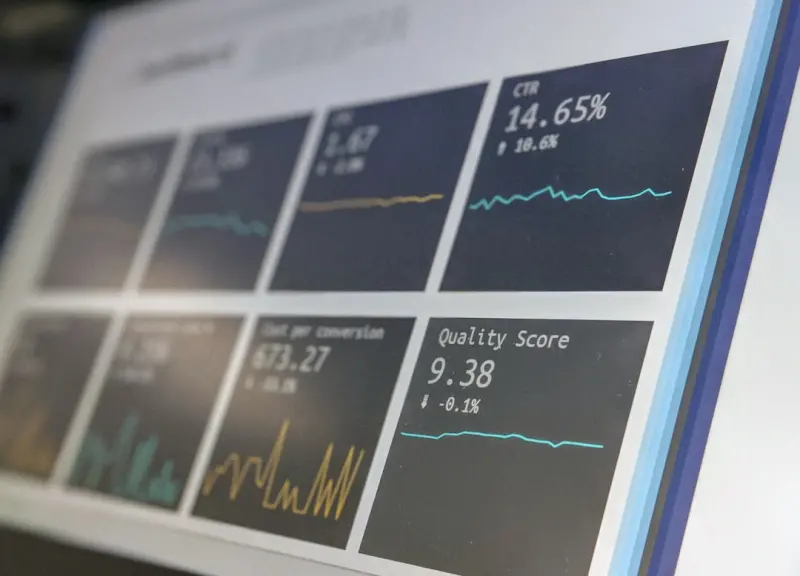
AI Health Dashboards: Turning Data Into Daily Vitality
An AI‑driven health dashboard consolidates wearables, sleep, and lifestyle data, offering personal... Read More

Tiny Moves, Big Gains: How Micro‑Movements Transform Everyday Health
Learn the power of micro‑movements: brief, simple exercises you can fit into any routine to improv... Read More
Top Posts

Sailing the Work-Life Spectrum: Why Professionals Are Choosing Cruise‑Based Remote Offices
Remote work meets ocean adventure as cruises transform into floating co‑working spaces, offering high‑speed Wi‑Fi, wellness zones, and a built‑in workâ€...Read More

Winter Food Halls: Canada’s Urban Eating Revolution
Winter food halls are turning Canada’s chilly season into a culinary celebration, uniting local chefs, farmers, and residents in climate‑controlled markets ...Read More
Cutting Subscription Fatigue: A Practical Guide to Reclaiming Your Budget
Learn to identify hidden subscription fees, negotiate better rates, and explore community‑based alternatives to slash recurring costs and improve your financi...Read More

Level Up: Canada’s Immersive Gaming Renaissance
From VR festivals to Indigenous AR quests, Canada’s entertainment scene is evolving into a multisensory playground where technology, storytelling, and communi...Read More
0 Comments
Post Comment
You will need to Login or Register to comment on this post!