
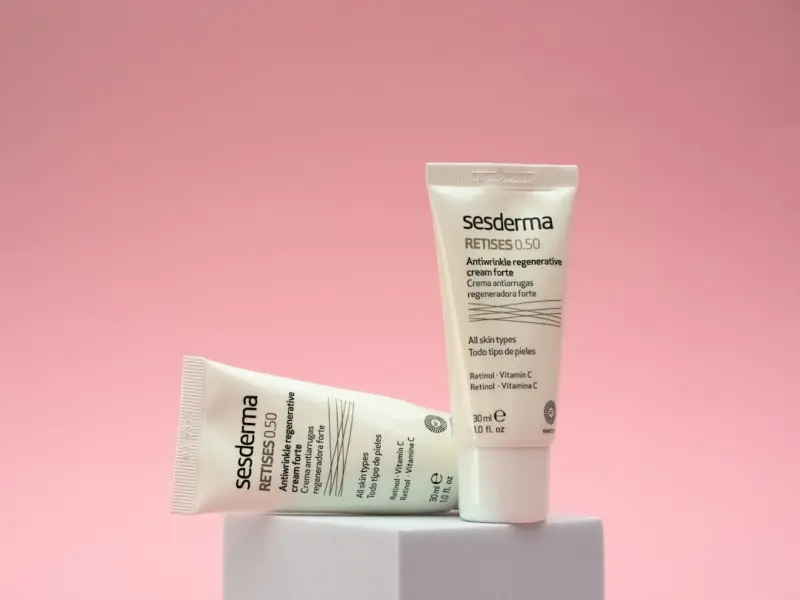
When I first stumbled upon the bustling world of skin‑care influencers, I thought I’d found another fleeting trend—until the science caught up with the hype. What started as a conversation about moisturizers turned into a deep dive into the invisible community living on our bodies: the skin microbiome. This microscopic ecosystem, teeming with bacteria, fungi, and viruses, is far more than a footnote in dermatology; it’s a dynamic partner that can dictate everything from barrier function to immune response. In this post, I’ll unpack why the microbiome matters, how everyday habits can nurture—or sabotage—its balance, and what emerging products are finally respecting this delicate partnership.
Why the Skin Microbiome Deserves a Seat at the Health Table
For decades, the skin was viewed through a lens of sterility: a barrier to be cleansed, a canvas for topical treatments, a shield against external threats. Modern research, however, has turned that paradigm upside down. The skin hosts up to one million microbes per square centimeter, forming a complex, symbiotic community that:
- Regulates pH to keep opportunistic pathogens at bay.
- Produces antimicrobial peptides that act as natural antibiotics.
- Communicates with the gut‑brain axis, influencing mood and systemic inflammation.
- Modulates the immune system, teaching it to differentiate friend from foe.
When this ecosystem stays balanced—what scientists call “eubiosis”—the skin is resilient, radiant, and less prone to conditions like eczema, acne, and rosacea. Disruption, or “dysbiosis,” can trigger inflammation, breakouts, and even accelerate aging.
Everyday Triggers That Tip the Scale
Just as a garden needs the right amount of water, sunlight, and nutrients, our skin microbiome thrives under specific conditions. Below are common habits that can inadvertently tip the scale toward dysbiosis:
- Over‑cleansing: Harsh soaps strip away natural oils and beneficial microbes. Opt for pH‑balanced, fragrance‑free cleansers.
- Excessive exfoliation: While occasional chemical exfoliants can be beneficial, overuse damages the microbial layer and the skin’s barrier.
- Antibiotic overuse: Oral or topical antibiotics can decimate beneficial bacteria alongside harmful ones, leading to long‑term imbalance.
- Heavy, occlusive moisturizers: Ingredients like mineral oil create a seal that can trap sweat and create a breeding ground for unwanted microbes.
- Environmental stressors: Pollution, UV radiation, and even climate changes can alter the skin’s microbial composition.
Understanding these triggers empowers us to make smarter choices—like swapping a foaming cleanser for a gentle, probiotic‑infused wash or integrating a post‑sun “micro‑repair” serum.
Probiotic and Prebiotic Skincare: The New Frontier
Enter the era of microbiome‑friendly formulations. Two key strategies dominate the market:
- Probiotic skincare—Products that contain live beneficial bacteria (e.g., Lactobacillus strains) aimed at directly repopulating the skin.
- Prebiotic skincare—Formulations enriched with substrates like inulin, oat beta‑glucan, or honey that feed existing beneficial microbes, encouraging their growth.
Leading brands are now leveraging fermentation science to create stable probiotic serums that survive the shelf‑life demands of cosmetics. These products often boast “live‑culture” claims, but it’s essential to check for proper packaging (e.g., opaque, air‑tight containers) that maintains bacterial viability.
Beyond the Bottle: Lifestyle Tweaks for a Happier Microbiome
Skincare products are just one piece of the puzzle. A holistic approach includes diet, stress management, and sleep hygiene—factors that influence the skin’s microbial community from the inside out.
- Eat diverse, fiber‑rich foods: Prebiotic fibers (like chicory root and garlic) nourish gut microbes, which in turn affect skin health via the gut‑skin axis.
- Limit processed sugars: High glycemic loads can feed pathogenic skin bacteria, exacerbating acne.
- Stay hydrated: Proper hydration supports the skin’s barrier function and microbial balance.
- Prioritize sleep: During deep sleep, the body performs repair work, including microbiome restoration.
- Manage stress: Chronic cortisol elevation can disrupt microbial diversity, leading to inflammation.
Think of your skin microbiome as a garden that benefits from both external care (topical products) and internal nourishment (diet, rest, stress reduction).
Tech Meets Skin: AI, Data, and the Future of Microbiome Care
While the microbiome is a biological realm, technology is rapidly joining the conversation. Companies are developing AI‑driven diagnostic tools that analyze skin swabs, delivering personalized product recommendations. These platforms raise important questions about data privacy and algorithmic transparency—concerns echoed in the broader AI ethics debate.
For a deeper dive into how algorithmic decision‑making can affect health sectors, check out the legal and ethical implications of AI in courtroom settings. Though focused on law, the piece highlights the need for robust safeguards when AI interprets sensitive health data.
Kids, Screens, and the Microbiome: A Parental Warning
Parents may think that a gentle cleanser is all they need for their child’s delicate skin, but the digital age adds another layer of complexity. Many children now spend hours on AI‑powered educational apps that collect data—sometimes without explicit consent. While not directly related to the skin microbiome, the broader data ecosystem can influence health outcomes, from targeted advertising for “miracle” skin products to privacy concerns surrounding biometric data.
Read more about the potential pitfalls of data collection in the hidden dangers of AI‑powered learning apps. Understanding these risks helps families make informed choices about both digital and physical health.
Emerging Research: What Science Says About Microbiome‑Based Therapies
Recent clinical trials are exploring microbiome transplants—the skin equivalent of fecal microbiota transplants used for gut disorders. Early results suggest that applying a “healthy” bacterial consortium can reduce eczema severity in infants and improve barrier function in adults.
Additionally, researchers are investigating the role of Staphylococcus epidermidis in producing antimicrobial peptides that protect against Staphylococcus aureus infections, a common cause of post‑surgical wound complications.
While these therapies are still experimental, they underscore a shifting medical paradigm: treating the microbiome as a therapeutic target rather than an afterthought.
Practical Steps to Start Your Microbiome‑Friendly Routine
- Cleanse wisely: Choose a sulfate‑free, pH‑balanced cleanser. Pat dry—don’t rub.
- Introduce a prebiotic serum: Look for ingredients like oat beta‑glucan, inulin, or honey.
- Apply a probiotic moisturizer (if available): Ensure the product is stored in a dark, airtight container.
- Protect with sunscreen: UV damage can disrupt microbial balance; opt for mineral sunscreens with zinc oxide or titanium dioxide.
- Mind your diet: Incorporate fermented foods (kimchi, kefir) and fiber‑rich vegetables.
- Limit antibiotics: Use them only when prescribed, and follow the full course.
- Sleep and stress: Aim for 7‑9 hours of quality sleep and practice mindfulness techniques.
Remember, consistency is key. Your skin microbiome is resilient but needs regular care—much like a garden that thrives with routine watering and weeding.
Conclusion: Embracing the Microbial Ally Within
The skin microbiome is not a fleeting fad; it’s a fundamental component of our overall health. By shifting from a “kill‑everything” mindset to one that nurtures beneficial microbes, we open the door to clearer skin, stronger immunity, and a more harmonious relationship with our bodies. Whether you’re a skincare enthusiast, a parent navigating the digital landscape, or a tech‑savvy consumer intrigued by AI‑driven health solutions, the microbiome offers a unifying thread that connects these worlds.
As research continues to illuminate the intricate dance between microbes and skin, the real power lies in our daily choices. Let’s champion products and habits that honor this invisible ecosystem, and in doing so, rewrite the story of what it means to be truly healthy.

Related Posts

VR Healing: Redefining Chronic Pain Care
Virtual reality is emerging as a powerful, non‑pharmacological tool for chronic pain, offering imm... Read More
Invisible Wellness: How Ambient Sensors Are Quietly Shaping Our Health
Ambient health technology uses invisible sensors to continuously monitor physiological signals, offe... Read More

The Quiet Revolution in Everyday Health: Biofeedback, Breathwork, and Self‑Regulation
Learn how to use heart‑rate variability and a five‑minute daily breathwork routine to boost reco... Read More
Top Posts

School Bus Driver Removed After Wearing Schoolgirl Uniform and Displaying "Lolita's Line" Sign
A school bus driver in Vaughan, Ontario, will no longer be employed by the York Catholic District School Board (YCDSB) following a disturbing incident that spar...Read More

The New Wave of Canadian Cottage Living: Tradition Meets Tech
Discover how Canada’s cherished cottage culture is evolving with micro‑renewables, smart‑home tech, and local makerspaces, creating modern retreats that h...Read More

Why Every SaaS Company Needs an Internal Innovation Playground
A deep dive into how creating a dedicated internal innovation space empowers employees, accelerates product development, and fuels sustainable growth for SaaS b...Read More

Grassroots Policy Labs: Redefining National Decision‑Making
A look at how local policy labs, powered by community collaboration and emerging tech, are creating a national network that informs and improves decision‑maki...Read More
0 Comments
Post Comment
You will need to Login or Register to comment on this post!