
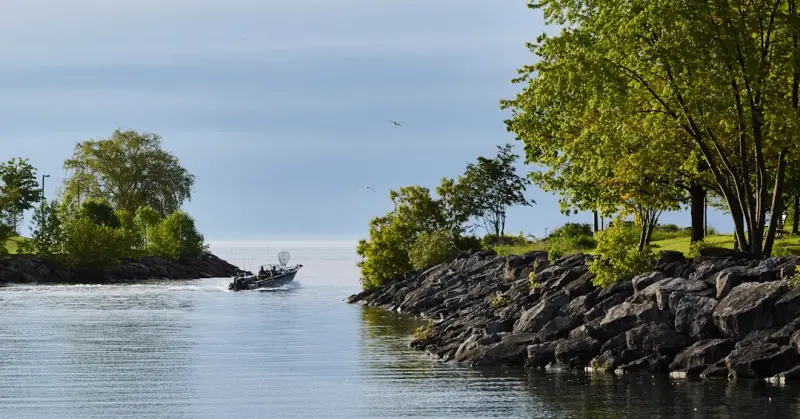
Discovering Ontario’s Secret Fishing Havens: A Local’s Guide to Hidden Waters
When I was a kid, my dad would load a battered wooden boat onto the back of our pickup and drive us to the edge of a lake that most people didn’t even know existed. The water was dark, the shoreline overgrown, and the fish—big, wary, and surprisingly abundant—seemed to keep our secret. Those early mornings, when mist clung to the surface and the world was still, taught me that the best fishing experiences aren’t found on the glossy postcards of Lake Ontario’s tourist docks. They’re hidden in the quiet corners of our province, waiting for a willing angler to stumble upon them.
Ontario is a fisher’s dream: over 250,000 lakes, countless rivers, and a coastline that stretches along three of the Great Lakes. Yet, the sheer scale can be overwhelming. While the “must‑see” spots—like Lake Simcoe’s walleye runs or the legendary trout streams of Algonquin—draw crowds, there’s a parallel universe of lesser‑known waterways that offer solitude, pristine habitats, and a chance to connect with the land in a way that feels almost reverent. In this guide, I’ll pull back the curtain on five of those hidden gems, share practical tips for getting the most out of each outing, and explore how a little bit of curiosity can transform a weekend hobby into a lifelong adventure.
1. The Whispering Waters of Lake St. Clair (North Shore)
Most anglers think of Lake St. Clair as the bustling summer hotspot just north of Ottawa. That’s true, but the lake’s northern shoreline is a different story. Here, dense cedar groves give way to shallow bays that are perfect for spawning walleye and smallmouth bass. The key to unlocking this area is timing: early spring, when water temperatures hover around 10 °C, triggers a feeding frenzy that can be harvested with a light jig or a soft plastic minnow.
- Access: A gravel road off Highway 417 leads to a modest parking lot. Arrive before sunrise to secure a spot—this part of the lake sees almost no traffic.
- Gear: A 6‑foot medium‑action rod with a 4‑5 lb test line does the trick. Pair it with a 4‑inch spinnerbait in chartreuse for maximum visibility in the murky water.
- Technique: Cast just beyond the submerged timber line and let the bait drift with the current. Small, rapid twitches will entice bass to strike.
What makes this spot special isn’t just the fish; it’s the ambiance. As the mist lifts, you can hear loons calling across the water, and the scent of pine needles lingers in the air. It’s a reminder that fishing is as much about the senses as it is about the catch.
2. The Rugged Charms of the Mattawa River’s Upper Reaches
The Mattawa River is celebrated for its historic canoe routes, but few recognize its upper reaches as a premier destination for steelhead and rainbow trout. The river’s gradient steepens dramatically just east of the town of Mattawa, creating a series of riffles and pools that mimic the riverine habitats of the Pacific Northwest.
To reach this secret section, take the old logging road that snakes alongside the river for about 12 km. The road is rough, and a high‑clearance vehicle is recommended, but the payoff is worth it. Here, you’ll find crystal‑clear water where trout often rise to the surface to feed on emerging insects.
- Access: A small pull‑out area on the east side of the road serves as a launch point. Bring a lightweight inflatable boat for flexibility.
- Gear: A 5‑weight fly rod with a 9‑weight backing, paired with a nymph pattern such as the Pheasant Tail, works wonders.
- Technique: Focus on the deeper pools downstream of each riffle. A slow, steady retrieve mimicking natural drift triggers aggressive strikes.
What’s even more rewarding is that the Mattawa’s upper reaches are largely untouched by commercial fishing pressure. You’re likely to experience a trout that has never felt a hook before—an encounter that feels almost sacred.
3. The Untamed Beauty of Lake Nipissing’s Northern Inlets
Lake Nipissing is a massive body of water, yet its northern inlets remain a haven for anglers seeking largemouth bass, northern pike, and the occasional muskellunge. These inlets are fed by a network of smaller lakes and wetlands, creating a mosaic of habitats that attract a diverse range of species.
My favorite spot is a narrow channel that threads through a series of lily‑pad islands. During the early morning hours, the surface is often still, allowing bass to ambush prey with lightning speed. The secret here is patience: let the sun warm the water before you begin casting, then work a series of soft plastic worms along the submerged vegetation.
- Access: The channel is reachable via a seasonal dirt road that connects to Highway 534. A 4×4 vehicle is advisable in early spring.
- Gear: A heavy‑action rod with a 12‑lb test line, coupled with a bucktail jig in dark green.
- Technique: Cast beyond the weed line and retrieve with short, sharp hops. This mimics a fleeing baitfish and provokes aggressive bites.
Besides the fish, this area offers an unexpected bonus: an abundance of birdlife. Osprey, bald eagles, and a host of waterfowl patrol the skies, providing a visual feast that complements the tactile pleasure of the sport.
4. The Serene Backwaters of the French River’s East Branch
The French River is famed for its historical significance and its role as a canoeing corridor, but the East Branch—particularly the backwaters near the community of West Nipissing—remains a low‑profile treasure. These slow‑moving sections are perfect for anglers who prefer a relaxed, sit‑and‑wait approach.
During late summer, the water temperature stabilizes around 18 °C, encouraging smallmouth bass and yellow perch to congregate near the rocky outcrops. The area’s natural structure, comprised of fallen trees and submerged boulders, creates shadowed pockets where fish feel secure.
- Access: A modest boat launch on Route 17 provides easy entry. The backwaters are best accessed by a small skiff or a canoe.
- Gear: A 7‑foot medium‑action rod with a 6‑lb test line and a small spoon or crankbait in copper tones.
- Technique: Cast to the base of each rock formation and let the lure sink to the bottom before a gentle lift‑and‑drop motion.
What makes the East Branch special isn’t just the fish but the sense of timelessness. The surrounding forest, with its towering pines and soft rustle of leaves, creates a backdrop that feels removed from the modern world—a perfect setting for reflective moments between casts.
5. The Hidden Gem of Lake of Two Rivers (Muskoka Region)
Lake of Two Rivers sits quietly between the bustling towns of Bracebridge and Gravenhurst, and its name is a nod to the two primary inflows that feed the water body. The lake’s remote northern shore is dotted with small coves that are ideal for catching lake trout and, for the lucky, a trophy‑size walleye.
Because the lake is largely private, most anglers don’t know about a small public access point that opens up a short trail leading to a secluded cove. This cove, framed by granite outcrops, offers deep water close to shore—perfect for trolling with a down‑rigger.
- Access: A modest parking lot off County Road 14 provides the trailhead. The hike is about 500 m, with a gentle incline.
- Gear: A 9‑foot fast‑action rod, 8‑lb test line, and a down‑rigger setup with a 12‑inch jigging spoon.
- Technique: Deploy the down‑rigger to 30‑40 ft, then retrieve slowly, pausing every few seconds to let the jig sink and create a natural flutter.
Beyond the fish, this cove offers a breathtaking view of the sunrise reflected on the water’s surface—a moment that reminds you why you chose this hobby in the first place.
Integrating Technology Without Losing the Soul of the Experience
Modern anglers often lean on gadgets—sonar fish finders, GPS mapping apps, and even drone scouting. While these tools can enhance your success rate, they also risk turning a serene experience into a data‑driven pursuit. My philosophy is to use technology as a compass, not a crutch.
For instance, a simple mobile app that maps public fishing spots can help you locate a new waterway, but the real magic happens when you let your instincts guide you once you’re on the water. Similarly, a fish finder can confirm the presence of a school, yet it’s the subtle change in surface tension or the way a fish tail flickers that truly signals a strike.
One tool I’ve found indispensable is a handheld weather station. It gives you real‑time data on barometric pressure, wind direction, and temperature—variables that influence fish behavior. By correlating this data with your personal observations, you develop a nuanced understanding that no algorithm can replicate.
Conservation: Protecting the Secrets for Future Generations
Ontario’s hidden fishing spots thrive because they’re relatively untouched. As we enjoy these waters, it’s vital to give back. Practice “catch‑and‑release” where appropriate, especially for larger trophy fish that help sustain the population. Use barbless hooks to reduce injury, and always pack out any trash—whether it’s a discarded fishing line or an empty snack wrapper.
Beyond individual actions, consider supporting local conservation groups. Many of them run monitoring programs that track fish health and water quality. By volunteering a few hours each season, you help maintain the very ecosystems that make these hidden gems so alluring.
Seasonal Strategies: Timing Your Trips for Maximum Yield
Ontario’s climate varies dramatically from north to south, and each season offers a distinct fishing window:
- Early Spring (April‑May): Shallow waters warm quickly, prompting bass and walleye to feed aggressively. Light jigs and surface poppers work well.
- Summer (June‑August): Look for deeper structures as fish retreat from the heat. Trolling with weighted spoons can cover large areas efficiently.
- Fall (September‑October): As fish bulk up for winter, they become more active. This is prime time for targeting northern pike and trout using larger lures.
- Winter (December‑February): Ice fishing opens a new dimension. Drill holes near drop-offs and use jigging spoons that create vibration through the ice.
By aligning your outings with these seasonal patterns, you’ll increase your chances of landing a memorable catch while also experiencing the lake in its most vibrant state.
Local Lore: Stories That Add Flavor to Your Cast
Every hidden waterway comes with its own set of legends. At Lake St. Clair’s northern bay, locals whisper about “Old Man’s Revenge”—a massive walleye that allegedly evaded capture for decades, only to surface on a foggy morning when a newcomer tossed a bright orange lure. In the Mattawa’s upper reaches, an elderly fisherman recounts the tale of a “silver ghost” trout that darts through the water with a glimmer like moonlight, appearing only on nights when the moon is full.
These stories may be embellished, but they enrich the experience. When you hear a local’s anecdote, you’re not just fishing—you’re becoming part of a living narrative that connects generations of anglers.
Wrapping Up: The Gift of Exploration
Ontario’s vast network of lakes and rivers offers endless possibilities, but the real treasure lies in the undiscovered. By venturing off the beaten path—whether it’s the whispering bays of Lake St. Clair, the rugged riffles of the Mattawa, or the secluded coves of Lake of Two Rivers—you’ll find a deeper connection to nature, a richer understanding of fish behavior, and stories that will stay with you long after the line is reeled in.
So, next time you’re planning a weekend on the water, resist the urge to book a slot at a popular charter. Grab a map, pack a lightweight rod, and let curiosity be your guide. The hidden waters of Ontario are waiting, and they have a secret they’re eager to share: that the best fishing moments happen when you’re alone with the lake, the wind, and the quiet rhythm of a reel turning.

Related Posts
Ontario's Fresh Wave: Reviving Indigenous Fishing Wisdom for Modern Anglers
Ontario anglers are turning to Indigenous fishing traditions, integrating centuries‑old ecological... Read More
Ontario Ice Fishing Festivals: Community, Cuisine, and Cold‑Weather Adventure
Explore the vibrant world of Ontario’s ice fishing festivals, where anglers, chefs, musicians, and... Read More
Reeling in the Future: Data‑Driven Angling on Ontario’s Lakes
Ontario anglers are turning to data, sensors, and community platforms to fish smarter and protect th... Read More
Top Posts

Chasing Neon Dreams: How Pop‑Culture Tourism Is Redefining Modern Getaways
From secret pop‑up concerts to AR‑enhanced city tours, pop‑culture tourism is reshaping travel. Learn how travelers can craft authentic, data‑driven adv...Read More

Unlocking Ontario’s Indigenous Fishing Wisdom: A Modern Guide
Discover the timeless principles of Indigenous fishing in Ontario, learn practical ways to incorporate them into modern angling, and see how community co‑ops ...Read More

Tariff‑Driven Latency: What SaaS Leaders Need to Know
Tariffs aren’t just trade talk—they’re quietly reshaping SaaS performance. Discover how hardware costs, edge deployments, and contract clauses influence l...Read More

Storytelling as the Engine Behind B2B SaaS Marketing Success
Megan Morris explains why traditional B2B tactics fall short and how a five‑step storytelling framework can transform a SaaS product into a compelling hero’...Read More
0 Comments
Post Comment
You will need to Login or Register to comment on this post!