
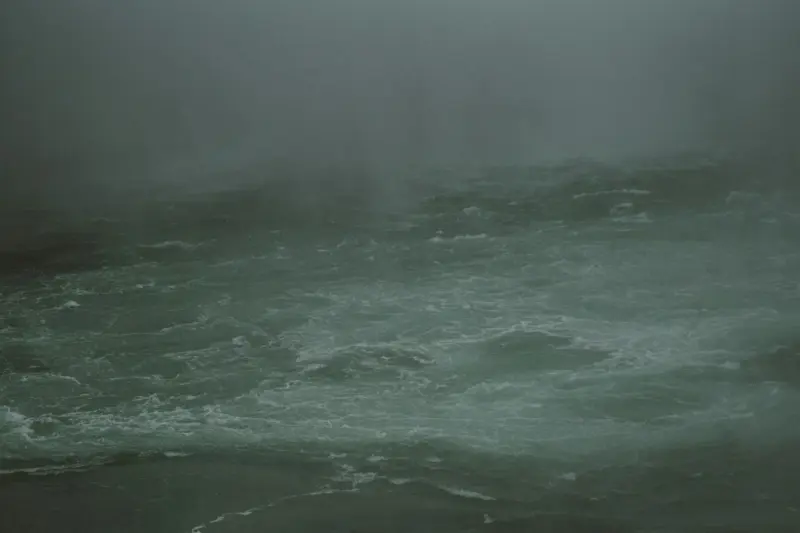
Why Ontario’s Quiet Waters Deserve a Spot on Your Tackle Box
When most people think “Ontario fishing,” the mind jumps straight to the famed Lake of the Woods or the bustling Niagara River. Those spots are fantastic, but they’re also crowded, noisy, and often saturated with the same commercial bait that has been churned out for decades. I’ve spent the better part of a decade chasing the next big bite, and I’ve learned that the most rewarding experiences aren’t found on the headline‑making lakes. They’re hidden in the smaller, less‑traveled waters where the fish are just as plentiful, the scenery feels untouched, and the whole adventure feels like a personal secret between you, the water, and the wily trout or bass that call those places home.
The “Silent Currents” Philosophy: Fishing with Your Senses, Not Your Screens
Modern anglers are guilty of treating a day on the water like a data‑driven experiment. Apps track every cast, drones map every inlet, and social feeds broadcast every catch. While technology can certainly enhance the sport, I’ve found that the most profound moments happen when you deliberately mute the digital noise. Imagine standing knee‑deep in a moss‑lined cove, the only sounds being the soft rustle of cattails and the distant call of a loon. Those “silent currents” teach you to read water by touch, temperature, and subtle movement instead of relying solely on sonar. The reward? A deeper respect for the ecosystem and a more intimate connection to the fish that inhabit it.
Mapping the Uncharted: How to Find Ontario’s Lesser‑Known Gems
The first step is to become a bit of a cartographer. Top‑down maps are useful, but they often miss the nuances that only local knowledge can reveal. Here’s my three‑step method for uncovering hidden waterways:
- Dig Into Historical Records. Provincial archives contain old surveyor notes and logging routes that often point to small streams that were once thriving fishing spots before roads were paved.
- Talk to the Locals. Small‑town bait shops, retired fishermen, and even seasonal cottage owners have stories that aren’t published online. A quick coffee at a community center can yield a treasure map in verbal form.
- Use Low‑Tech Exploration. Pack a portable GPS, a basic topographic map, and a sturdy pair of waders. Walk the shoreline, look for natural feeding structures like fallen trees or rock ledges, and note where the water deepens abruptly—these are often prime feeding zones.
Once you’ve identified a promising spot, spend a few days simply observing before you launch a line. Patience is the real bait here.
Seasonal Strategies: Aligning Your Tackle with Nature’s Calendar
Ontario’s climate is a patchwork of micro‑climates, and each region has its own seasonal rhythm. Here are a few nuanced tips that go beyond the generic “spring is for trout” advice:
- Early Spring – Ice‑Out Inlet Run. As ice melts, oxygen‑rich water rushes into shallow bays, stirring up insects and small minnows. Small nymph patterns work wonders, especially in the Ottawa River’s lesser‑known tributaries.
- Mid‑Summer – Nighttime Bass Blitz. In the deeper, shaded coves of Lake Simcoe’s backwaters, bass retreat to cooler depths during the day. Come after sunset, and they surface to feed on the night‑emergent insects. Light‑tipped lures with a subtle wobble can be surprisingly effective.
- Fall – Pre‑Freeze Pickerel Push. As water temperatures dip below 15 °C, pickerel move into the shallows to build up reserves. Soft‑plastic shad in natural colors, fished slowly, mimic the final feast before winter.
Understanding these micro‑seasonal windows turns a routine outing into a strategic hunt, where you’re not just reacting to fish, but anticipating them.
Conservation First: Angling as an Act of Stewardship
Ontario’s fisheries are under pressure from habitat loss, invasive species, and climate change. The most effective way to protect the waters we love is to fish responsibly and advocate for healthier ecosystems. Here’s a practical checklist that any serious angler can adopt:
- Practice Catch‑and‑Release with Care. Use barbless hooks, keep the fish in the water, and handle them with wet hands to preserve the slime coat.
- Participate in Local Habitat Restoration. Many communities host shoreline clean‑ups or invasive‑plant removal days. Your time is as valuable as your gear.
- Support Indigenous Stewardship. Many First Nations manage fishing territories with millennia‑old practices that prioritize sustainability. Engaging with these groups can provide insight and help preserve traditional knowledge.
When you align your personal fishing goals with broader ecological health, each cast becomes a contribution to a larger, lasting legacy.
Zero‑Waste Fish Prep: Turning Every Flake Into a Culinary Win
After a successful day, the kitchen becomes the next frontier. I’ve embraced a zero‑waste fish preparation mindset that respects the animal and stretches the bounty further. Here are three tricks I swear by:
- Bone‑Broth Power. Instead of discarding heads and frames, simmer them with aromatics, herbs, and a splash of apple cider vinegar. The resulting broth is rich in collagen and perfect for soups or risottos.
- Skin Crisps. Rinse the skin, pat dry, toss in a little oil and sea salt, then bake at a high temperature until crisp. They’re a salty, crunchy snack that rivals store‑bought chips.
- Marinated Scraps. Small bits of flesh, often overlooked, can be marinated in soy, ginger, and maple syrup, then quickly pan‑seared. The result is a sweet‑savory bite that showcases the fish’s natural flavor.
These practices not only reduce waste but also deepen your appreciation for the entire catch, turning a simple fishing trip into a full‑cycle culinary adventure.
Tech‑Lite Tools: When Gadgets Serve the Fish, Not the Ego
There’s a fine line between helpful technology and over‑engineered gadgets that distract more than they aid. I’ve settled on a minimalist “tech‑lite” kit that enhances the experience without taking away from the natural rhythm:
- Portable Sonar with a Simple Display. A compact unit that shows depth and a basic fish‑finder view. It’s less about “hunting” and more about understanding structure.
- Weather‑Proof Notepad. Old‑school paper still beats a phone when you’re knee‑deep and the battery threatens to die. Jot down water temperature, wind direction, and bite patterns.
- LED Headlamp with Red Light. Red light preserves night vision, allowing you to fish after dusk without startling the fish.
Remember, the goal is to let the water speak, not to shout over it with digital noise. When the gear stays in the background, the fish stay in the foreground.
Legal & Privacy Angling: Knowing Your Rights on Public Waters
Ontario’s waterways are governed by a patchwork of provincial regulations, municipal bylaws, and, increasingly, privacy considerations for anglers using drones or handheld cameras. A surprising resource that helped me navigate these murky waters was a recent guide on privacy rules for anglers. While the article was written for a different context, the core principles—obtaining consent, respecting property boundaries, and being transparent about recording—apply directly to fishing. Here are three takeaways for any angler:
- Know the Local By‑laws. Some municipalities restrict the use of motorboats or impose specific catch limits. A quick call to the town hall can save you a fine.
- Respect Private Shorelines. Even if the water is public, the land around it might be private. Always ask permission before casting from private docks.
- Mind Your Lens. If you’re filming for a blog or social media, ensure you aren’t infringing on others’ privacy. A simple heads‑up goes a long way.
Being legally savvy ensures that your love for the water remains a source of joy rather than a source of trouble.
Building Community Around the Quiet Waters
One of the most rewarding aspects of exploring Ontario’s hidden fishing spots is the sense of community that naturally forms. When you’re not surrounded by crowds, you’re more likely to encounter fellow anglers who share a passion for low‑impact fishing. I’ve started a small, invitation‑only “Silent Currents” meetup where participants swap stories, exchange gear tips, and collaborate on conservation projects. The group’s core values are simple: respect the water, respect each other, and give back to the ecosystem.
These gatherings have sparked initiatives like “Stream Clean‑Up Saturdays” and “Native Species Spotlights,” where members learn to identify and protect threatened fish like the Lake Sturgeon. It’s a reminder that the best fishing experiences are rarely solitary—they’re woven into a network of stewardship, shared knowledge, and collective care.
Conclusion: Your Next Adventure Awaits in the Quiet Corners
Ontario’s fishing narrative has long been dominated by big‑lake legends and trophy‑catch stories. It’s time to rewrite that story with a focus on the quiet corners, the nuanced tactics, and the community bonds that make angling a sustainable, enriching pursuit. By seeking out lesser‑known waters, respecting seasonal rhythms, adopting zero‑waste practices, and staying legally and environmentally informed, you’ll discover a deeper, more personal connection to the sport.
So pack your waders, leave the heavy tech at home, and let the silent currents guide you to a fishing experience that’s as rewarding for the soul as it is for the catch.

Related Posts

Unlocking Ontario’s Indigenous Fishing Wisdom: A Modern Guide
Discover the timeless principles of Indigenous fishing in Ontario, learn practical ways to incorpora... Read More

Casting Light on Ontario’s High-Tech Fishing Frontier
Explore the newest tech tools—from sonar‑enabled smartphones and drones to AI‑driven regulatio... Read More
Ontario’s Community‑Driven Fishing Revolution: Data, Stewardship, and Wellness
Ontario anglers are turning their love for the water into a collaborative, data‑rich movement that... Read More
Top Posts

Deal‑Hunting in the SaaS Jungle: A Strategic Framework for Savings
Discover a systematic approach to SaaS negotiations that combines value mapping, layered discount tactics, and smart renewal clauses, turning every purchase int...Read More
Seasonal Foraging: Unlocking Wild Nutrition for Modern Diets
Explore the health benefits, safety tips, and practical recipes for bringing seasonal foraged foods into everyday meals, and learn how to integrate wild nutriti...Read More

Reimagining Prom and Graduation: A Personal, Inclusive Playbook
A guide to crafting prom and graduation experiences that prioritize storytelling, inclusive dress codes, community partnerships, and meaningful rituals, ensurin...Read More

Data-Driven Menu Engineering: AI’s Secret Sauce for Modern Restaurants
Explore how artificial intelligence and real-time analytics are reshaping restaurant menus—optimizing profit, reducing waste, and delivering hyper‑personali...Read More
0 Comments
Post Comment
You will need to Login or Register to comment on this post!