
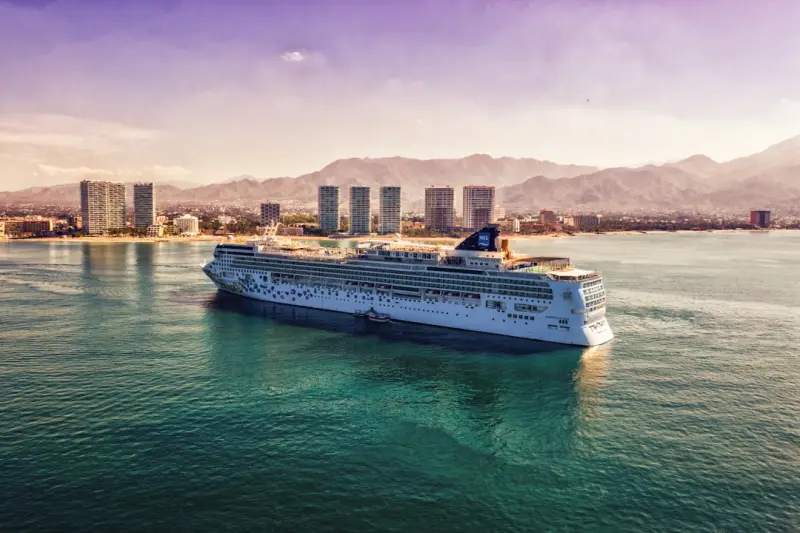
Why the Next Big Travel Trend Is the Cruise‑Bus Hybrid
When I first stepped onto a mega‑cruise ship, the sheer scale was intoxicating: endless decks, endless dining options, and a promise that the ocean could be your backyard for days on end. A few weeks later, I found myself on a sleek, eco‑friendly bus winding through the vineyards of the Okanagan, the windows framing a landscape that felt like a living painting. The contrast was stark, but the experience left me with a question that’s been circling my mind ever since: What if we could combine the best of both worlds?
The Rise of “Split‑Mode” Travel
Travelers today are no longer satisfied with single‑mode itineraries. The pandemic taught us the value of flexibility, and the post‑pandemic traveler craves variety without the friction of re‑booking multiple tickets, juggling luggage, and negotiating countless check‑ins. Enter the cruise‑bus hybrid—a seamless blend of maritime leisure and overland exploration that lets you glide from sea to street with the same reservation.
Imagine disembarking in Halifax, hopping onto a premium coach that whisks you through the historic streets of Quebec City, and then boarding a small‑scale river cruise that slides you along the St. Lawrence. The experience feels like a curated adventure designed by a concierge who knows exactly how you love to travel: with comfort, curiosity, and a touch of surprise.
How Operators Are Making the Dream Work
To pull off this ambitious model, a handful of forward‑thinking operators have built a tech‑powered coordination engine. By integrating their booking platforms with real‑time maritime schedules and road‑traffic APIs, they can offer a single ticket that covers both legs of the journey. This eliminates the dreaded “missed connection” nightmare that has haunted multi‑modal travelers for decades.
What’s more, these operators are leveraging data from Reimagining Vacation: The Community‑First Travel Playbook to design routes that highlight local communities, not just tourist hot spots. The result? Passengers step off the bus onto a bustling farmers market, or onto a ship’s deck that docks beside a small‑town pier where they can mingle with locals over fresh seafood.
Economic Benefits for Small Towns and Ports
One of the biggest surprises of the cruise‑bus hybrid is its ripple effect on economies that sit between the two modes. Traditional cruise itineraries often bypass smaller ports, funneling revenue into a handful of mega‑cities. By inserting bus legs that stop in towns with populations under 20,000, operators inject tourism dollars directly into places that need them most.
This model mirrors the philosophy of “community‑first” travel, where the traveler’s presence actively contributes to local prosperity. Small‑town businesses—think boutique inns, craft breweries, and artisanal shops—see an uptick in foot traffic, while larger ports benefit from increased overnight stays as passengers choose to extend their sea leg for a night or two.
Designing the Perfect Hybrid Itinerary
Crafting a memorable cruise‑bus experience isn’t as simple as stitching together two random trips. The itinerary must respect three core pillars:
- Flow: Transitions should feel natural. A scenic bus ride that leads directly to a ship’s boarding dock eliminates the logistical headache of separate check‑ins.
- Contrast: Offer distinct experiences that complement each other. A high‑energy city cruise can be balanced with a tranquil, countryside bus segment.
- Value: The combined price point must make sense. Travelers should perceive a clear cost advantage over booking two separate trips.
Operators use predictive analytics to forecast demand for each leg, ensuring that capacity aligns with seasonal patterns. For instance, a fall‑time Atlantic cruise paired with a bus tour of the fall foliage in New England maximizes both scenic appeal and occupancy rates.
Environmental Considerations
Travel’s carbon footprint is a hot topic, and the cruise‑bus hybrid offers a surprisingly green solution—when executed correctly. Modern cruise lines are investing heavily in LNG‑powered vessels and advanced waste‑management systems. On the land side, many bus operators have shifted to electric or hydrogen‑fuel‑cell fleets.
By consolidating travel into a single reservation, the hybrid model reduces the need for extra flights, which are typically the most carbon‑intensive leg of a trip. Moreover, the “last‑mile” bus journeys are often shorter than the equivalent car trips travelers would otherwise make, cutting emissions further.
Tech Tools That Keep the Wheels Turning
Behind the scenes, a suite of SaaS solutions powers the cruise‑bus experience. Real‑time GPS tracking, dynamic pricing engines, and AI‑driven customer service bots all work together to keep the journey smooth. Travelers can use a single mobile app to check their boarding passes, monitor bus locations, and even order a snack that will be waiting for them on the ship’s galley.
One platform that’s gaining traction is a conversation‑first interface that treats each traveler like a personal travel agent. When a passenger asks, “What’s the weather like in Halifax tomorrow?” the system instantly pulls marine forecasts and suggests a deck activity that matches the conditions. This level of personalization turns a logistical challenge into a delightful, interactive experience.
Case Study: The Atlantic‑Northwest Loop
Let’s walk through a real‑world example that illustrates the hybrid’s potential. A travel brand launched a 12‑day “Atlantic‑Northwest Loop” that began with a three‑night cruise out of St. John’s, Newfoundland. After disembarking, guests boarded a luxury coach that whisked them through the rugged coastline of Nova Scotia, stopping at a historic lighthouse and a small‑scale fisheries museum.
From there, the journey continued to a boutique river cruise on the Bay of Fundy, offering whale‑watching excursions and onboard talks by marine biologists. The final leg was a two‑day bus tour of the Canadian Rockies, complete with hiking guides and night‑time stargazing sessions.
Feedback was overwhelmingly positive. Travelers praised the “effortless transition” and the “deep connection” they felt with each locale. The brand reported a 30% higher Net Promoter Score (NPS) compared to its traditional cruise‑only offerings, and local partners in each stop saw a 20% rise in sales during the tour dates.
Cost‑Saving Tips for the Savvy Explorer
If you’re intrigued by the cruise‑bus hybrid but worry about the price tag, consider these strategies to keep the adventure affordable:
- Book Early, but Stay Flexible: Early‑bird pricing often locks in lower rates, but a flexible date range can allow you to take advantage of last‑minute discounts on the bus leg.
- Leverage Loyalty Programs: Many cruise lines and bus operators share loyalty points. Use them to upgrade cabins or secure premium seating on the coach.
- Combine With On‑Board Credits: Some hybrid packages include onboard credits that can be applied to dining, spa services, or shore excursions, stretching your budget further.
- Choose Off‑Peak Seasons: Traveling during shoulder seasons reduces demand spikes, leading to lower fares for both sea and road segments.
For a deeper dive into budgeting, check out Smart Strategies to Tame the Cost of Living Without Sacrificing Lifestyle. The article outlines how you can prioritize experiences while keeping your financial health intact.
The Future: Personalization at Scale
Looking ahead, the cruise‑bus hybrid is poised to become a platform for hyper‑personalized travel. Imagine a scenario where AI analyses your past trips, dietary preferences, and activity levels, then automatically curates a hybrid itinerary that includes a sunrise yoga session on a ship’s deck followed by a guided cycling tour on the bus route.
Such personalization requires robust data handling, which raises questions about privacy and data localization—a topic we’ve tackled in depth elsewhere. While the technology is still evolving, the promise is clear: Travelers will soon be able to request “a relaxing sea leg with minimal motion, followed by a cultural immersion bus ride with local food tastings,” and receive a ready‑to‑go itinerary within minutes.
Getting Started: Your First Hybrid Adventure
If you’re ready to dip your toes into this emerging travel style, here’s a quick checklist to get you on board (literally and figuratively):
- Identify a region where both cruise ports and scenic road routes coexist—think the Pacific Northwest, the Caribbean, or the Mediterranean.
- Research operators that offer combined tickets or have partnerships with reputable bus companies.
- Check for sustainable certifications on both the cruise line and bus fleet to ensure an eco‑friendly experience.
- Read reviews that specifically mention the transition experience; smooth handoffs are the hallmark of a great hybrid.
- Plan for a few “free days” in the itinerary to allow spontaneous local discoveries—a key benefit of the hybrid’s flexibility.
With these steps, you’ll be well on your way to a journey that feels like a curated story rather than a series of disjointed trips.
Final Thoughts
The cruise‑bus hybrid isn’t just a novelty; it’s a response to a traveler’s evolving desire for variety, sustainability, and authentic connection. By blending the grandeur of the sea with the intimacy of overland routes, this model offers a richer, more nuanced way to explore the world. As technology continues to knit together disparate travel modes, the line between “cruise” and “bus tour” will blur, giving rise to an era where the only limit is your curiosity.

Related Posts

Turning Cruises and Bus Tours Into Mobile Innovation Labs
Discover a fresh approach to off‑sites: using cruises and bus tours as mobile innovation labs that... Read More

Discover the Uncharted Getaways: Exploring the Hidden Gems of Rural America
Join Steven Philips on a journey through the uncharted getaways of rural America, exploring its stun... Read More
Across the Horizon: Building Community on Cruises and Bus Tours
Explore how intentional design, shared culinary moments, tech personalization, and sustainable actio... Read More
Top Posts

Unlocking the Healing Power of Everyday Herbs
A deep dive into how everyday herbs act as natural medicines, offering memory support, gut balance, and hormonal harmony, with practical ways to weave them into...Read More
Data & Community: Redefining Ontario Fishing
Ontario anglers are swapping paper maps for real‑time data, using apps, sensors, and community dashboards to boost catches, protect fish populations, and invi...Read More

Cultivating Resilience: How Canadian Farmers Are Rewriting Rural Well‑Being
Canadian farmers are redefining resilience by addressing mental health, forming cooperative networks, integrating Indigenous knowledge, and adopting renewable e...Read More

Elevate Your Prom & Graduation: A Strategic Playbook for Unforgettable Milestones
A step‑by‑step, budget‑smart, eco‑friendly guide transforms prom and graduation from a one‑night expense into a strategic celebration that leaves last...Read More
0 Comments
Post Comment
You will need to Login or Register to comment on this post!