
Why Forest Bathing Matters in a Hyper‑Connected World
Living in a city that never sleeps means our senses are constantly bombarded by honking horns, glowing screens, and the relentless hum of traffic, leaving our nervous systems perpetually on edge and our bodies craving a pause that modern life rarely grants; I’ve felt that tension in my own jaw after back‑to‑back Zoom calls, a reminder that even the most resilient professionals need a reset button that doesn’t involve caffeine or a quick scroll through social feeds. Forest bathing, or shinrin‑yoku, offers precisely that—a deliberate, slow‑motion immersion in nature that asks us to trade the synthetic buzz for the rustle of leaves, the earthy scent of pine, and the subtle chorus of birdsong, creating a sensory sanctuary that can recalibrate stress hormones in ways that a yoga mat in a living room simply cannot. As the trend gains momentum on wellness podcasts and Instagram reels, more urban dwellers are swapping a weekend brunch for a morning walk among towering trunks, discovering that the most valuable health hack may be as simple as stepping outside and breathing in a forest’s quiet rhythm.
What the Science Says About Trees and Your Body
Recent peer‑reviewed studies reveal that a 20‑minute stroll through a wooded area can slash cortisol levels by up to 30 percent, boost natural killer cell activity, and increase heart‑rate variability—three biomarkers that collectively signal a stronger, more resilient immune system and a calmer nervous system, and these findings are not just academic footnotes but actionable data that can reshape how we think about preventive health; researchers at the University of Tokyo measured participants’ blood before and after a guided forest walk and found a marked rise in anti‑inflammatory cytokines, suggesting that the phytoncides released by trees act like a natural inhaled supplement. Moreover, a growing body of evidence links exposure to biodiverse green spaces with improved gut microbiome diversity, a connection that resonates with my own experiments in home fermentation where I observed that the calmer I feel after a forest session, the easier it is to support probiotic‑rich foods; this synergy hints at a virtuous cycle where the forest feeds the gut, and the gut feeds the brain, amplifying overall well‑being.
Getting Started: Your First Forest Bathing Session
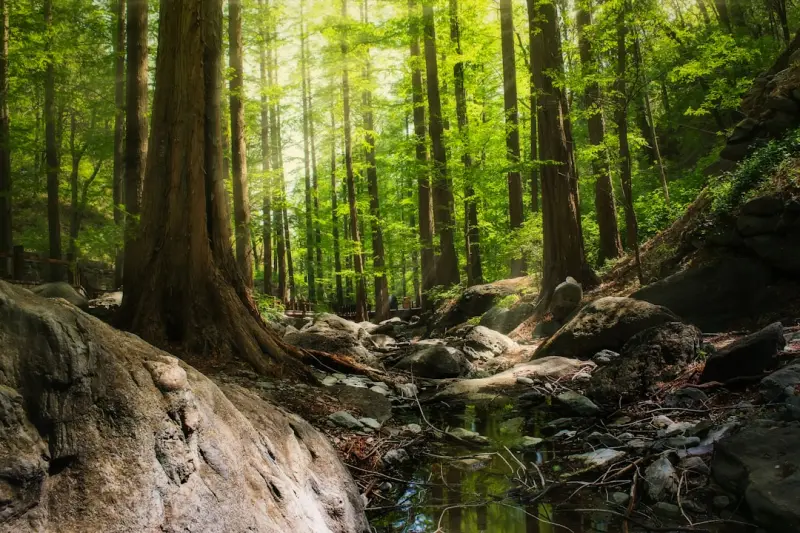
Choosing the right spot is the first step—look for a nearby park, a municipal trail, or even a university arboretum that offers a canopy of mature trees, a mix of deciduous and coniferous species, and preferably a water feature, because the sound of flowing water adds an extra layer of auditory relaxation that deepens the experience; once you arrive, turn off your phone, leave the earbuds behind, and set a simple intention to engage all five senses, noting the texture of bark against your fingertips, the dappled light that paints the forest floor, and the earthy aroma that often smells faintly of rain even on a clear day. Spend at least fifteen minutes walking slowly, pausing whenever a particular scent or sound catches your attention, and practice diaphragmatic breathing—inhale through the nose for a count of four, hold for two, exhale through the mouth for six—to synchronize your breath with the rhythm of the trees, allowing the oxygen‑rich air to flood your lungs and trigger a parasympathetic response that lowers heart rate and promotes mental clarity.
Making It Stick: Integrating Forest Bathing into a Busy Schedule
For many professionals, carving out a full hour in the morning seems unrealistic, but the beauty of forest bathing lies in its flexibility; you can transform a 10‑minute lunch break into a mini‑retreat by finding a leafy courtyard or a city park bench shaded by an old oak, and even a brief encounter with greenery can trigger the same physiological cascade that a longer trek does, especially when you pair it with mindful breathing and a conscious effort to disengage from digital distractions. In a world obsessed with the convenience culture, it’s tempting to replace outdoor time with a quick meal‑delivery app, yet studies show that the cumulative health costs of reduced exposure to nature—higher blood pressure, poorer sleep, and increased anxiety—far outweigh any monetary savings, making regular forest visits a cost‑effective investment in your longevity and productivity. To build consistency, schedule a recurring “green appointment” on your calendar, treat it like any other meeting, and enlist a coworker or friend to join you; the social aspect not only adds accountability but also amplifies the mood‑lifting benefits, as shared experiences in nature have been linked to stronger interpersonal bonds and a greater sense of community.
Beyond the Trees: Pairing Forest Bathing with Complementary Practices
While the forest itself is a potent healer, combining it with other evidence‑based habits can create a holistic health regimen that maximizes results; after your walk, try a short session of gratitude journaling—write three things you noticed in the woods, such as the pattern of moss on a stone or the way sunlight filtered through leaves—to reinforce the positive neural pathways associated with nature exposure and cement the emotional uplift. Pairing forest bathing with a nutrient‑dense snack that supports gut health, like a spoonful of kimchi or a handful of walnuts, can further enhance the gut‑brain axis, especially after a session that has already encouraged parasympathetic activity and improved digestion. Finally, consider integrating gentle stretching or yoga poses that mimic tree-like stability—think Warrior II or Tree Pose—while still outdoors, allowing the muscles to benefit from fresh air and the mind to stay anchored in the present moment, creating a seamless loop where movement, breath, and nature collaborate to reset your stress response.
Long‑Term Outlook: How Forest Bathing Shapes Public Health
As more individuals adopt forest bathing, the ripple effect can extend to urban planning and public policy, prompting municipalities to preserve existing green corridors, plant new arboreal streetscapes, and design parks that prioritize sensory immersion over manicured lawns; when city councils invest in tree canopy coverage, they are not merely beautifying neighborhoods but also laying the groundwork for community‑wide reductions in hypertension, depression rates, and healthcare expenditures, a shift that aligns with the growing body of research linking green infrastructure to measurable public health outcomes. On a personal level, committing to regular nature immersion can serve as a preventative strategy that reduces reliance on pharmacological interventions for stress‑related conditions, offering a natural, low‑cost alternative that complements conventional medicine. If you’re ready to transform your health narrative, start by stepping outside today—listen to the leaves, feel the ground beneath your feet, and let the forest’s quiet wisdom rewrite the script of your well‑being, one breath at a time.

Related Posts

Silencing the Digital Storm: Reclaiming Mental Space in a Hyper‑Connected World
Discover actionable techniques—from micro‑pauses and soundscapes to ergonomic workspaces and cle... Read More

Cold Exposure: Harnessing the Power of Ice for Everyday Health
Cold exposure isn’t a gimmick—it’s a science‑backed practice that sharpens mental clarity, a... Read More

AI Health Dashboards: Turning Data Into Daily Vitality
An AI‑driven health dashboard consolidates wearables, sleep, and lifestyle data, offering personal... Read More
Top Posts

Traveling Like a Scientist: How Citizen‑Science Expeditions Are Changing Vacation Culture
Travelers are swapping passive tourism for citizen‑science expeditions, using tech and local partnerships to collect valuable data that protects ecosystems an...Read More

How Tiered SaaS Deals Let Your Business Grow While the Budget Shrinks
A deep dive into tiered SaaS contracts, showing how data‑driven negotiations, subscription stacking, and real‑time usage insights can turn pricing tiers int...Read More

The Best Ways To Future Proof Your Career
The modern world of work is characterized by rapid change. Technological advancements, globalization, and evolving economic landscapes are constantly reshaping ...Read More

Tariff Ripple Effects: How Global Duties Are Redefining Digital Pricing and Brand Strategy
Tariffs are no longer just about shipping containers; they now infiltrate digital services, e‑commerce, and influencer marketing, forcing brands to adapt pric...Read More
0 Comments
Post Comment
You will need to Login or Register to comment on this post!