
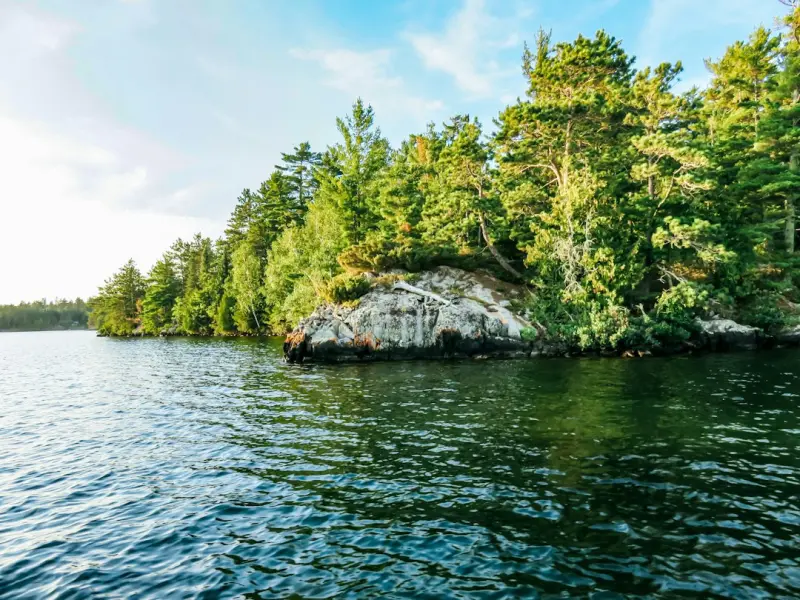
Why Family Fishing Matters
There’s a subtle magic that happens when a child’s first line lands in the water and a grandparent’s seasoned hands help guide the bait. In Ontario, the lakes and rivers become more than just bodies of water—they transform into classrooms, therapy rooms, and memory‑making studios. Family fishing isn’t just about the catch; it’s about building patience, fostering respect for nature, and creating stories that will be retold around kitchen tables for generations.
Picking the Perfect Playground
Ontario’s sheer size can feel overwhelming at first, but the province offers a surprisingly diverse menu of family‑friendly fishing locations. Below are some criteria to narrow your search:
- Accessibility: Look for sites with paved parking, wheelchair‑friendly boardwalks, and clear signage.
- Safety: Calm, shallow waters with gentle slopes are ideal for younger anglers.
- Facilities: Picnic tables, restrooms, and nearby trails enhance the overall experience.
- Fish Variety: Species such as bass, panfish, and trout provide easy‑to‑catch options that keep enthusiasm high.
Top Family‑Friendly Fishing Destinations
Here are three Ontario spots that consistently deliver a blend of accessibility, safety, and abundant fish:
Lake St. Clair – Simcoe County
Just a short drive from Barrie, Lake St. Clair offers a sandy shoreline, a well‑maintained boat launch, and a dedicated children’s fishing pier. The lake is stocked with rainbow trout in the spring, making it a perfect venue for beginners.
French River – Northeastern Ontario
The French River’s slow‑moving sections are perfect for families who prefer shoreline fishing. The exploration of Ontario’s hidden fishing gems highlights how this river’s calm pools hide plenty of smallmouth bass and perch, ideal for a patient afternoon.
Lake Nipissing – North‑East Region
Lake Nipissing boasts numerous public beaches and a network of easy‑access fishing docks. Its warm, shallow bays are teeming with walleye and northern pike, offering excitement for kids who love a bit of a challenge while still being manageable with a simple bobber setup.
Gear Up Without Breaking the Bank
One of the biggest misconceptions about family fishing is that it requires an expensive arsenal of gear. In reality, a few key pieces can provide a solid foundation:
- Spinning rod and reel combo (6–8 ft): Versatile enough for most Ontario species.
- Bobbers and split‑shot weights: Simple tools that teach kids about balance and depth.
- Live bait kit: Worms, minnows, or even corn are inexpensive and effective.
- Kid‑friendly tackle box: A bright, lightweight box encourages youngsters to stay organized.
When you’re ready to upgrade, consider a modular system that lets you swap out components as skill levels improve. This approach keeps costs low while still providing room for growth.
Teaching Moments on the Water
Every fishing outing is an opportunity to weave in lessons about ecology, responsibility, and science. Here are three teaching angles you can incorporate:
- Ecology: Discuss the role of fish in the food chain and why certain areas have specific species.
- Conservation: Practice “catch‑and‑release” techniques and explain the importance of keeping habitats clean.
- Science: Use a simple ruler to measure fish length, record data, and compare it to regional growth charts.
Cooking the Catch: From Shore to Table
There’s something uniquely rewarding about turning a day’s catch into a dinner that the whole family enjoys. Ontario’s culinary heritage offers several simple preparations that highlight fresh flavor without overwhelming the palate.
- Pan‑Fried Bass: Lightly coat the fillet in seasoned cornmeal, then pan‑sear in butter for a crisp exterior.
- Grilled Trout with Herb Lemon Butter: Stuff the cavity with fresh dill and lemon slices, then grill over medium heat for 8–10 minutes.
- Fish Tacos: Use small, flaky white fish, toss in a quick slaw, and serve on corn tortillas with a drizzle of lime crema.
Cooking together reinforces the value of the fish you caught and creates another shared memory that extends beyond the water’s edge.
Staying Sustainable: Low‑Impact Practices
Ontario’s waterways are a shared resource, and it’s vital to practice fishing in a way that preserves them for future generations. Below are some low‑impact habits that can be woven into any family outing:
- Use biodegradable baits and lures: Avoid plastics that can linger in the ecosystem.
- Pack out everything: Even small wrappers or fishing line can harm wildlife.
- Follow local regulations: Respect size limits, bag limits, and seasonal closures.
- Participate in citizen science: Log your catch on provincial apps to help researchers track population health.
Integrating Technology—Without Losing the Magic
While the goal is to keep the experience tactile, a touch of technology can enhance safety and learning. For example, a simple mobile fish‑identification app helps kids confirm species and learn fun facts instantly. If you’re curious about how digital innovations are reshaping the broader Ontario fishing scene, check out this article on how tech is reshaping Ontario fishing. Use the tech as a tool, not a crutch, and the water will still feel like an open canvas.
Planning the Perfect Weekend
Here’s a sample itinerary that balances fishing, exploration, and relaxation for a two‑day family adventure:
Day 1 – Arrival & Exploration
- Morning: Arrive at your chosen lake, set up camp or check into a lakeside cabin.
- Mid‑day: Light shoreline fishing while kids practice casting with practice rods.
- Afternoon: Picnic lunch followed by a nature walk to spot local birds and insects.
- Evening: Campfire cooking session using the day’s catch, storytelling, and stargazing.
Day 2 – Full‑Day Fishing & Wrap‑Up
- Early Morning: Head out before sunrise for a chance at larger, more active fish.
- Mid‑Day: Break for a simple grill‑up of the morning’s haul, sharing cooking duties.
- Afternoon: Teach kids how to properly clean and fillet a fish, reinforcing respect for the animal.
- Late Afternoon: Pack up, leaving the site cleaner than you found it, and head home with a cooler full of memories.
Overcoming Common Hurdles
Even the most enthusiastic families can hit snags. Here are solutions to typical challenges:
- Weather changes: Pack layered clothing and waterproof gear; a tarp can double as a shelter.
- Kids losing interest: Keep sessions short (30–45 minutes) and celebrate every small success.
- Equipment failures: Carry a spare line, hook, and a basic multitool.
- Finding fish: Use a simple depth finder or ask local bait shops for “hot spots” of the day.
Building a Community Around Family Angling
Ontario boasts a growing network of family‑focused fishing clubs and events. Joining a local group can provide:
- Scheduled outings that remove the planning burden.
- Mentorship from experienced anglers who can teach age‑appropriate techniques.
- Opportunities for kids to compete in friendly, low‑pressure catch‑and‑release contests.
- Shared resources like bulk‑bought tackle or group transportation.
Search online for “Ontario family fishing club” or ask at your nearest outdoor retailer for recommendations.
Final Thoughts: Casting Memories That Last
Family fishing in Ontario is more than a pastime—it’s a bridge between generations, a lesson in stewardship, and a source of endless stories. By selecting safe, accessible spots, keeping gear simple, and infusing each trip with learning and sustainability, you’ll create experiences that echo long after the last line is pulled in. So pack your rods, bring your curiosity, and let Ontario’s waters write the next chapter of your family’s adventure.

Related Posts
Silent Currents: Rediscovering Ontario’s Lesser‑Known Fishing Sanctuaries
Discover Ontario’s hidden fishing sanctuaries, learn low‑tech seasonal strategies, adopt zero‑... Read More
Ontario Fishing Reimagined: Tech, Community, and Conservation
A deep dive into Ontario’s modern fishing landscape, highlighting smart technology, open data plat... Read More
Ontario Fishing: A Local’s Journey Through Seasons, Tastes, and Trails
Discover Ontario’s diverse fishing scene with insider tips, hidden locations, sustainable practice... Read More
Top Posts
Low‑Band Leap: Canadian Family Farms Gain Connectivity Edge
A deep dive into how low‑band satellite internet is empowering Canadian family farms, unlocking real‑time market data, weather alerts, and new business oppo...Read More
Hybrid Cruise‑Bus Tours: The Seamless Blend Redefining Modern Travel
Explore the rise of hybrid cruise‑bus tours that merge sea‑side luxury with authentic land excursions, offering seamless, eco‑friendly travel adventures....Read More

Community Health Hubs: Bringing Care Home to Canadians
Community health hubs are emerging as a practical solution to Canada’s healthcare access gaps, offering co‑located services, telehealth, and community‑foc...Read More

Exploring the Uncharted Territories of Canadian Tourism
Discover the best of Canadian tourism, from hidden gems and cultural experiences to outdoor adventures and budget-friendly tips. Get insider knowledge on the un...Read More
0 Comments
Post Comment
You will need to Login or Register to comment on this post!