

Why Regenerative Tourism Is the Next Evolution in Travel
When I first set foot on the mist‑kissed cliffs of the Canadian Maritimes, I wasn’t just looking for a pretty view. I was hunting for a story that could change the way I think about vacations. That moment sparked an obsession with a travel philosophy that goes beyond “leave no trace.” It’s called regenerative tourism—a practice that not only minimizes harm but actively restores the ecosystems, cultures, and economies we love to explore.
From Sustainability to Regeneration: The Paradigm Shift
For years, the travel industry has championed sustainability as the gold standard: reducing waste, conserving water, and offsetting carbon footprints. While those steps are essential, they often stop at “do less damage.” Regenerative tourism asks a louder question: What can we give back? It reframes the traveler from a passive observer to a co‑creator of positive change.
Think of it like this: a sustainable hotel might use solar panels, but a regenerative lodge invests a portion of its profits into reforesting nearby hills, hires local artisans to design its interiors, and runs workshops that teach guests how to propagate native plants. The impact ripples outward, turning a simple stay into a catalyst for community‑level renewal.
The Economic Engine Behind Regenerative Travel
Travel dollars have always been a powerful lever for regional economies. Yet, many popular destinations suffer from “tourism fatigue,” where short‑term spikes in visitor numbers inflate prices and strain public services without delivering lasting benefits. Regenerative tourism flips this script by aligning financial flow with long‑term community goals.
- Revenue Reallocation: A percentage of ticket sales or accommodation fees is earmarked for local projects—be it a community garden, a clean‑water initiative, or a youth entrepreneurship program.
- Skill‑Based Volunteering: Travelers with professional expertise (e.g., graphic design, data analysis, teaching) contribute time that directly boosts local capacity, creating a win‑win for both parties.
- Extended Stays: By encouraging longer, slower visits, destinations benefit from higher per‑guest spend while reducing the environmental toll of rapid turnover.
Case Study: Seasonal Pop‑Up Markets as Regenerative Hubs
One of the most vivid examples of this emerging model is the rise of seasonal pop‑up markets across Canadian towns. What began as a modest farmer’s stand has morphed into a vibrant ecosystem where local producers, artists, and storytellers converge.
These markets do more than sell fresh berries or handcrafted candles. They:
- Allocate a portion of sales to fund soil‑restoration workshops that teach attendees how to rebuild degraded farmland.
- Partner with indigenous groups to showcase traditional foods, ensuring cultural knowledge is preserved and celebrated.
- Offer “travel credits” that can be redeemed for guided hikes or community‑led tours, incentivizing visitors to stay longer and engage deeper.
Travelers who wander through these markets leave not only with a tote bag of local honey but also with a tangible sense of having contributed to the region’s ecological and cultural revival.
Audio Storytelling: The Podcast Renaissance Meets Travel
Another powerful tool in the regenerative toolkit is audio storytelling. The Podcast Renaissance has already reshaped Canadian entertainment; now it’s redefining how we experience place.
Imagine strolling through a historic fishing village while a local historian narrates the tale of a centuries‑old lighthouse, interwoven with ambient sounds of gulls and waves. Or consider a guided hike where a marine biologist explains the delicate balance of a coral reef, encouraging hikers to pledge a small donation toward reef restoration.
These audio tours are more than background chatter—they’re educational catalysts that transform passive sightseeing into active learning. By embedding calls to action—like signing up for a beach‑cleanup or purchasing a locally‑made product—podcasts turn curiosity into concrete impact.
Measuring Regenerative Success: Metrics That Matter
One of the biggest challenges for any emerging movement is proving its worth. Regenerative tourism adopts a data‑driven mindset, borrowing from impact‑investment frameworks to track progress:
- Ecological Indicators: Tree‑planting counts, biodiversity surveys, and water‑quality measurements before and after tourism seasons.
- Social Metrics: Number of local jobs created, community‑led initiatives launched, and resident satisfaction scores.
- Economic Benchmarks: Revenue retained locally versus exported, average length of stay, and repeat‑visit rates.
These metrics are often shared publicly through dashboards that travelers can consult before booking, adding transparency and accountability to the experience.
How You Can Join the Regenerative Wave
Transitioning from a conventional tourist to a regenerative traveler isn’t a massive leap—it’s a series of intentional choices:
- Research Destination Initiatives: Look for hotels, tour operators, or attractions that publish clear impact reports. A quick search for “regenerative tourism + [destination]” can surface hidden gems.
- Choose Skill‑Based Volunteering Over Generic “Help”: Offer your professional expertise. A graphic designer can help a local co‑op revamp its branding, while a data analyst can assist a conservation NGO with monitoring tools.
- Prioritize Local Spending: Eat at family‑run eateries, purchase souvenirs from artisans, and stay in accommodations that employ residents.
- Engage with Audio Guides: Download locally produced podcasts or audio tours that weave in calls to action. Many are free and can be accessed offline.
- Extend Your Stay: Even a few extra days can dramatically increase your positive impact, allowing you to participate in community projects or attend cultural workshops.
Future Outlook: Scaling Regeneration Without Diluting Authenticity
The biggest question on everyone’s mind is whether regenerative tourism can scale without becoming a buzzword that loses meaning. The answer lies in a three‑pronged strategy:
- Policy Partnerships: Governments can incentivize regenerative practices through tax breaks, certification programs, and streamlined permits for community‑led projects.
- Technology Enablement: Blockchain can verify that a percentage of a traveler’s spend truly reaches designated projects, while AI can personalize impact suggestions based on a guest’s skills and interests.
- Storytelling Platforms: As the podcast renaissance shows, compelling narratives drive participation. When travelers hear authentic stories of transformation, they’re more likely to become ambassadors for the cause.
In a world where climate anxiety and cultural homogenization dominate headlines, regenerative tourism offers a hopeful counter‑narrative—one where travel is a force for renewal, not depletion.
Closing Thoughts: Travel as a Catalyst for Renewal
My journey from a wide‑eyed backpacker to a regenerative advocate taught me that the most unforgettable trips are those that leave a place better than we found it. By embracing local economies, championing ecological restoration, and harnessing the power of audio storytelling, we can turn every vacation into a chapter of collective healing.
So the next time you plan a getaway, ask yourself: What will I give back? The answer might just redefine the meaning of “souvenir.”

Related Posts

Crafting Personal Narratives: The Next Evolution in Travel
Travel is shifting from checklist tourism to personal storytelling. Learn how AI, connectivity, and ... Read More
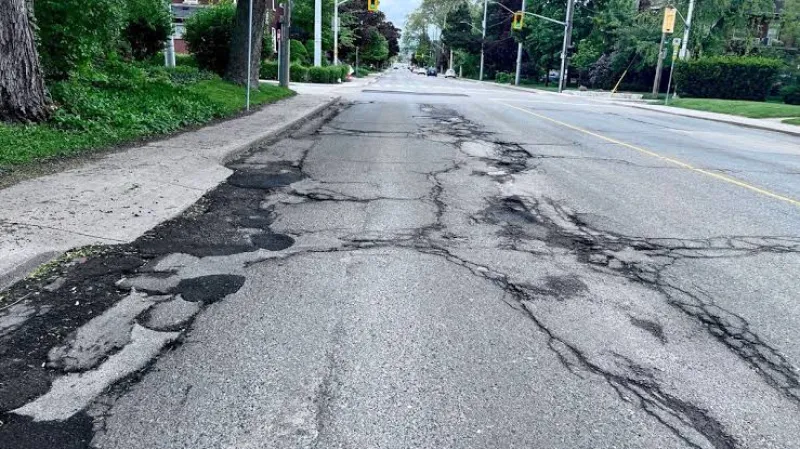
Aberdeen Avenue Claims the Unwanted Title: Ontario's Worst Road for the Second Year Running
The votes are in, and the results are clear: Ontarians are not happy with the state of their roads. ... Read More

Beyond the Tourist Trail: Crafting Purpose‑Driven Journeys
A fresh look at travel that prioritizes cultural immersion, local connections, and purposeful experi... Read More
Top Posts

Eco‑Elegant: Redefining Prom & Graduation Style for a Greener Tomorrow
A fresh take on prom and graduation attire, this guide shows students how to blend style, comfort, and sustainability through rentals, upcycling, and virtual tr...Read More

Municipal Money, Federal Power: The New Climate Finance Battleground in Canada
Canadian municipalities are pioneering green bonds to finance climate projects, prompting a fresh political dynamic where local initiatives influence federal po...Read More

Community Health Hubs: A New Model for Canadian Care
Community health hubs blend multidisciplinary teams, local partnerships, and smart technology to deliver timely, holistic care in Canada’s underserved regions...Read More

Parental Warning: Navigating SaaS, Data Privacy, and Kids in the Digital Age
A deep dive into the hidden data pipelines of kids’ apps, why parental warnings matter more than ever, and actionable tips for safeguarding children’s digit...Read More
0 Comments
Post Comment
You will need to Login or Register to comment on this post!