
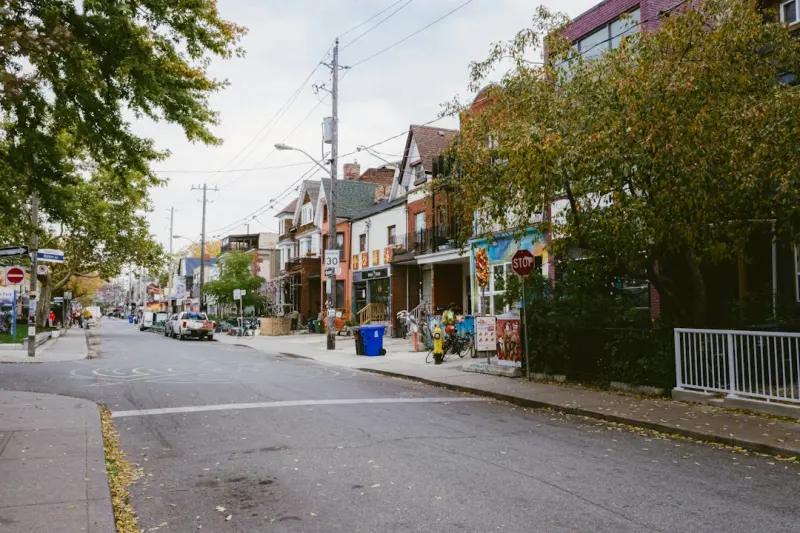
When I first stepped into a pop‑up market tucked behind a historic brick rowhouse in downtown Halifax, the air was alive with the scent of fresh herbs, smoked salmon, and a faint hint of maple‑glazed doughnuts. It felt less like a transaction and more like a reunion—neighbors swapping stories, artisans demonstrating their craft, and families gathering around a communal table as if they’d been doing it for generations. This isn’t a nostalgic throwback to the farmer’s markets of the 1970s; it’s a dynamic, seasonal phenomenon that’s rapidly reshaping how Canadians experience food, culture, and community.
The Seasonal Surge: Why Pop‑Up Markets Matter Now
Canada’s climate dictates a rhythm of growth and harvest that is unlike most places on the globe. Short, intense growing seasons mean that produce is at its peak for only a few weeks each year. Entrepreneurs, growers, and community organizers have begun to harness this natural cadence, creating temporary market spaces that appear precisely when the bounty is freshest. The result is a vibrant tapestry of events that pop up in parking lots, vacant storefronts, and even under the canopy of a public library.
These markets are more than just a place to buy fruit; they are a cultural flashpoint. They give small‑scale farmers a direct line to urban consumers, bypassing the traditional wholesale channels that often dilute profit margins and erode the personal connection between grower and buyer. For city dwellers, they provide an authentic taste of the land that feeds them—a reminder that the maple syrup on their pancakes truly comes from nearby sugar‑maple trees.
From the Ground Up: Supporting Local Growers
One of the most compelling aspects of these pop‑up gatherings is the way they empower regional agricultural ecosystems. In the Okanagan, for example, a handful of boutique vineyards have partnered with local cheese makers to host “Wine & Crumb” evenings that showcase nutrient‑rich seasonal produce alongside artisanal dairy. By aligning market dates with harvest windows, producers can guarantee the highest flavor intensity and nutritional value, creating a win‑win for both seller and shopper.
Beyond fruit and veg, these markets spotlight lesser‑known crops such as sunchokes, heirloom beans, and even foraged mushrooms. The immediacy of the pop‑up format encourages experimentation; a chef might introduce a new dish using a rare herb, gauge reactions on the spot, and decide whether to feature it at their restaurant the following week. This rapid feedback loop fuels culinary innovation across the country.
Crafting Community: The Social Fabric of Pop‑Ups
While the culinary benefits are clear, the social impact of seasonal markets is equally profound. In many mid‑sized towns, the arrival of a pop‑up market is a catalyst for spontaneous street performances, pop‑up art installations, and community workshops. A recent market in Winnipeg featured a local storyteller who narrated the history of the Red River Settlement while children painted reusable tote bags—a scene that felt both educational and deeply communal.
These events also serve as informal networking hubs for entrepreneurs. A tech founder from Toronto might strike up a conversation with a handmade candle maker from Prince Edward Island, leading to collaborative pop‑up experiences that blend digital and tactile realms. The cross‑pollination of ideas is a hallmark of the pop‑up culture, turning a simple shopping trip into a fertile ground for partnership.
Design That Breathes: The Role of Space
Physical layout matters. Organizers are increasingly borrowing principles from biophilic design—bringing elements of nature into built environments—to create inviting, health‑promoting spaces. Simple touches such as reclaimed wooden tables, living plant walls, and natural lighting have been shown to improve mood and linger time. One market in Vancouver incorporated a “green wall” of native ferns, echoing the approach described in nature‑infused design concepts traditionally applied to offices.
By making the environment itself an attraction, these markets extend their influence beyond the products on sale. Visitors leave feeling refreshed, a subtle yet powerful reinforcement of the market’s brand and its commitment to holistic well‑being.
Mindful Consumption: Snacks That Support Remote Teams
As remote work becomes entrenched in the Canadian workforce, the demand for thoughtful snack options has surged. Pop‑up markets have risen to meet this need, offering curated snack boxes that balance indulgence with nutrition. A Toronto pop‑up recently partnered with a local bakery to produce “brain‑fuel” snack packs featuring dark chocolate, roasted chickpeas, and berry‑infused oat bars—items that align with the insights from thoughtful snack choices for remote productivity.
These snack solutions go beyond mere convenience; they serve as morale boosters for distributed teams, fostering a sense of shared experience even when coworkers are miles apart. Companies can order bulk boxes for their staff, turning a simple market visit into a corporate perk that reinforces employee wellness.
Economic Ripple Effects: From Pop‑Up to Permanent
While the markets themselves are temporary, the economic impact can be lasting. Vendors who test their products at a pop‑up often secure enough capital and consumer interest to open brick‑and‑mortar storefronts or launch e‑commerce platforms. In Halifax, a small jam maker who debuted at a seaside market last summer now operates a full‑service kitchen, employing five local staff and sourcing honey from nearby beekeepers.
Municipalities are also noticing the benefits. Pop‑ups attract foot traffic that supports adjacent businesses—cafés see a rise in morning sales, and local transit usage climbs as visitors travel from neighboring suburbs. Some cities have begun offering short‑term permits at reduced fees, recognizing the markets as a tool for economic revitalization.
Technology Meets Tradition: Digital Enhancements
Even the most grassroots of markets are embracing technology to amplify reach. QR codes placed beside stalls allow shoppers to instantly learn about the farmer’s practices, view recipe ideas, or place future orders. Some organizers have developed dedicated mobile apps that push notifications about upcoming market dates, featured vendors, and special events.
This blend of analog charm and digital convenience ensures that the pop‑up experience remains accessible to tech‑savvy Canadians without sacrificing its authentic, tactile nature.
Challenges and Considerations
Despite the enthusiasm, pop‑up markets face hurdles. Securing permits can be a bureaucratic maze, especially in larger cities where zoning regulations are strict. Weather is another unpredictable factor; many organizers now invest in modular canopies and heated tents to extend the season into cooler months.
There’s also the risk of oversaturation. As the concept gains popularity, some markets become overly commercialized, diluting the community‑first ethos that made them appealing. Maintaining a balance between vendor diversity, price accessibility, and cultural relevance is essential to preserve the integrity of the experience.
Future Outlook: A Growing Ecosystem
Looking ahead, the trajectory points toward an even more integrated ecosystem. Imagine a network of pop‑up markets linked by a shared digital platform that tracks seasonal produce availability across provinces, enabling consumers to plan trips based on what’s fresh where. Pair that with a subscription model where households receive a weekly box of curated items from the nearest market, merging the excitement of discovery with the convenience of home delivery.
Such innovations could transform the pop‑up market from an occasional outing into an essential component of Canada’s food infrastructure, reinforcing local economies and fostering a deeper connection between Canadians and the land that sustains them.
Getting Involved: Your First Steps
If you’re a consumer eager to explore, start by checking community bulletin boards, local social media groups, or municipal websites for upcoming events. For aspiring vendors, consider partnering with an established market to test your product before committing to larger production runs. And if you’re a city planner or business owner, think about how pop‑up markets could complement your existing initiatives—perhaps by offering vacant storefronts during off‑peak seasons or by co‑hosting events that align with sustainability goals.
The beauty of the pop‑up model lies in its flexibility. Whether you’re a seasoned chef, a hobbyist baker, or simply a curious foodie, there’s a place for you in this growing movement. The next time you hear the hum of a crowd gathering in a vacant lot, follow the aroma, and you’ll find a micro‑cosm of Canada’s diverse culinary landscape waiting to be discovered.

Related Posts

Co‑Living Communities: Canada’s Next Housing Revolution
Discover how co‑living hubs are transforming Canadian neighborhoods, offering affordable shared ho... Read More

Savoring the Seasons: A Canadian Living Journey
A heartfelt look at the seasons, community, food, and entertainment that define Canadian living, off... Read More
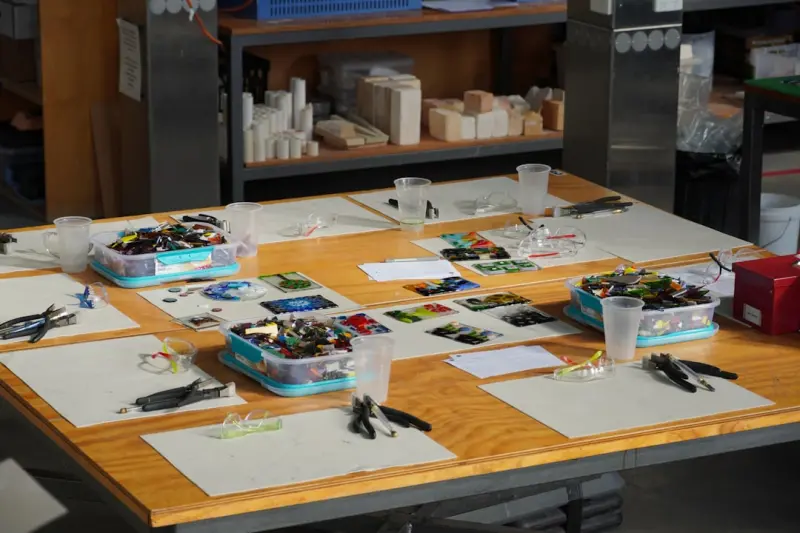
Shared Workshops: Building a Collaborative DIY Culture Across Canadian Neighborhoods
From tool lending to community workshops, Canadians are embracing shared resources that reduce waste... Read More
Top Posts

Ontario Business Directory: The Ultimate Guide for Small Business Owners
The modern world of work is characterized by rapid change. Technological advancements, globalization, and evolving economic landscapes are constantly reshaping ...Read More

Tariff Turbulence: Turning Duty Costs Into SaaS Competitive Advantage
Tariffs affect more than just importers; SaaS firms with edge devices and data‑center hardware face hidden cost spikes. This post maps the tariff landscape, s...Read More
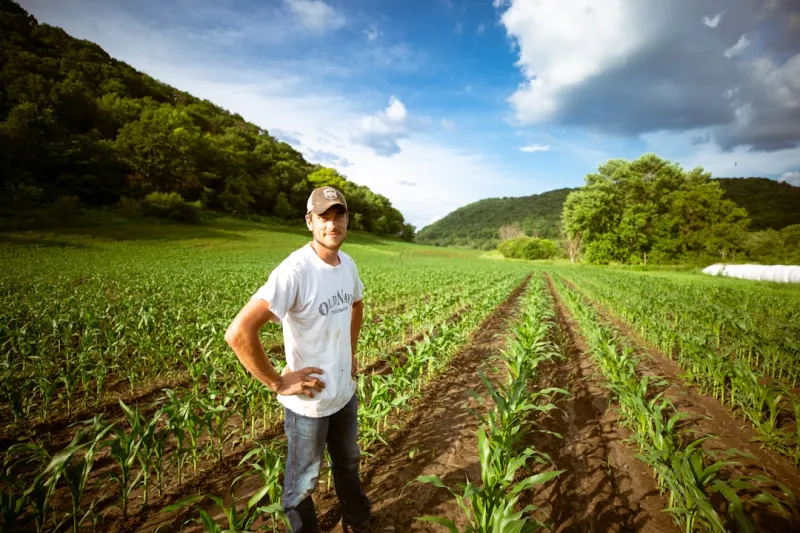
The Unseen Struggles of Canadian Farmers: A Deeper Look
Canadian farmers face a complex web of challenges, including physical demands, financial pressures, and social isolation. Learn more about the struggles of Cana...Read More

The Rideau Canal Route: A Fascinating Drive Through Ontario's Prettiest Towns
The Rideau Canal, a UNESCO World Heritage Site, isn't just a marvel of 19th-century engineering; it's also the centerpiece of a stunning driving route that conn...Read More
0 Comments
Post Comment
You will need to Login or Register to comment on this post!