
Why Community Health Hubs Could Be Canada’s Next Big Healthcare Play
When I first stepped onto a bustling downtown clinic in Vancouver, I felt the pulse of a system trying to stretch itself thin. The waiting rooms were full, the staff were heroic, and the patient stories were as diverse as the city’s neighborhoods. It struck me that Canada’s healthcare system, praised for its universal coverage, is at a crossroads where scale and personalization clash.
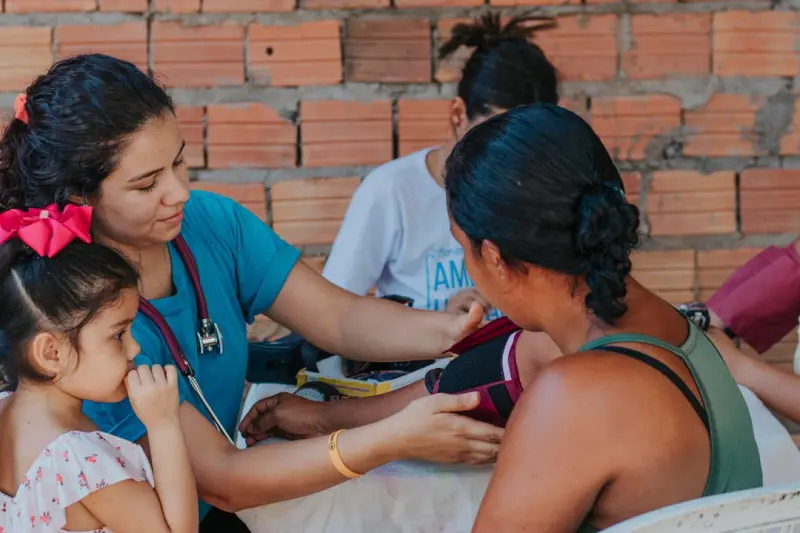
Enter the concept of Community Health Hubs – a hybrid model that brings together primary care, mental health services, social support, and even Micro‑Communities of care providers under one roof. Think of it as a “one‑stop shop” for health, but with a local, culturally attuned flavor that respects the unique fabric of each Canadian community.
The Gap Between Policy and Patient Experience
Canada’s health policy framework has long emphasized equitable access. Yet, the lived experience often tells a different story. Rural residents travel hours for a routine check‑up, Indigenous peoples encounter systemic barriers, and urban patients face fragmented care where their family doctor doesn’t talk to the mental health specialist they see.
Data from the Canadian Institute for Health Information shows that over 30 % of patients report having to repeat medical histories to different providers. This redundancy not only wastes time but also erodes trust. The answer isn’t more clinics; it’s smarter, more integrated ones.
What Exactly Is a Community Health Hub?
- Co‑located Services: Family physicians, nurse practitioners, psychologists, dietitians, and social workers share a common space.
- Shared Digital Backbone: A unified electronic health record (EHR) that captures clinical notes, medication histories, and even patient‑generated data from wearables.
- Community‑Driven Governance: Advisory boards made up of local residents, Indigenous leaders, and patient advocates shape the hub’s priorities.
- Flexible Funding Models: Partnerships between provincial health ministries, municipalities, and private‑sector innovators allow for blended financing.
How Zero‑Party Data Can Power Personalized Care
In the marketing world, Zero‑Party Data refers to information customers willingly share, such as preferences or health goals. Translating this to healthcare, patients could voluntarily provide insights about their lifestyle, stress triggers, or cultural practices directly into their health record.
This patient‑sourced data can be used to:
- Tailor health‑promotion messaging (e.g., culturally relevant nutrition advice).
- Identify early warning signs through trends in wearable metrics.
- Match patients with community resources they actually need, not just what the system assumes.
Because the data is volunteered, privacy concerns are mitigated, and trust is reinforced—a crucial factor when working with communities historically wary of institutional oversight.
Environmental Health Meets Community Care
Climate change isn’t a distant threat; it’s already shaping health outcomes across Canada, from increased asthma rates in urban heat islands to water‑borne illnesses in northern communities. The Unseen Battle between climate justice and digital democracy illustrates how environmental policies intersect with health equity.
Community Health Hubs can serve as observation points for these shifts. By integrating environmental data—air quality indices, pollen counts, even local flood alerts—into patient records, clinicians can offer context‑aware advice. A hub in a coastal town might proactively counsel patients with respiratory conditions during high‑risk periods, while a hub in a mining region could screen for heavy‑metal exposure.
Indigenous Health: Centering Sovereignty and Culture
For many Indigenous peoples, health is inseparable from land, language, and community. Traditional Western clinics often overlook this holistic view. Community Health Hubs can be co‑created with Indigenous Nations, ensuring that traditional healers, language services, and cultural practices are woven into the care model.
Key steps include:
- Signing formal partnership agreements that respect data sovereignty.
- Hiring Indigenous health liaisons who bridge clinical and cultural knowledge.
- Designing spaces that reflect local cultural aesthetics—nothing feels more welcoming than a waiting room that honors the community’s art.
Economic Benefits: From Cost Savings to New Jobs
Integrating services reduces duplicate testing and unnecessary specialist referrals. A 2019 pilot in Ontario showed a 12 % drop in lab expenses when primary care and pharmacy services shared a single EHR platform. Moreover, the hubs themselves create employment opportunities: care coordinators, health educators, and technology specialists.
From a macro perspective, the model aligns with Canada’s shift toward value‑based care, where funding follows outcomes rather than volume. By capturing comprehensive outcomes—clinical metrics, patient satisfaction, social determinants—the hubs can demonstrate tangible ROI to provincial payers.
Technology Enablement: Beyond the EHR
While a robust EHR is the backbone, additional tech layers elevate the hub experience:
- Tele‑consultation Pods: Private, sound‑proof booths within the hub for remote specialist visits, preserving the in‑person feel for patients who prefer it.
- AI‑Assisted Triage: Algorithms that prioritize urgent cases based on symptom inputs, freeing up clinicians to focus on complex care.
- Digital Therapeutics: Prescription‑grade apps for chronic disease management that sync directly with the patient’s record.
Crucially, any AI tool must be transparent and culturally calibrated—what works for an urban Toronto population may not translate to a First Nations reserve.
Case Study: The Halifax Wellness Hub
In Halifax, a consortium of the provincial health authority, a local university, and a social‑enterprise incubator launched a pilot hub in the North End. Within its first year:
- Patient wait times for primary appointments fell from 6 weeks to 2 weeks.
- Hospital readmission rates for chronic heart failure dropped by 15 %.
- Community members reported a 30 % increase in confidence managing their health, measured via post‑visit surveys.
The secret sauce? A strong emphasis on community governance and the use of Zero‑Party Data to personalize health plans. Patients filled out short “health intent” questionnaires, which guided care teams in setting realistic, culturally relevant goals.
Challenges and How to Overcome Them
Implementing Community Health Hubs isn’t a silver bullet; several hurdles must be addressed:
- Funding Fragmentation: Aligning provincial, municipal, and private funds requires clear metrics and shared accountability. Pilot programs with built‑in evaluation phases can demonstrate value before scaling.
- Data Interoperability: Canada’s health data ecosystem is notoriously siloed. Investing in interoperable standards—like HL7 FHIR—ensures that information flows seamlessly across providers.
- Workforce Burnout: Consolidating services can initially increase workload. Introducing care coordinators and leveraging AI for routine tasks helps distribute the load.
- Community Trust: Transparent communication, regular advisory board meetings, and visible community representation in staffing are non‑negotiable.
Roadmap for Policymakers and Health Leaders
To turn the hub vision into reality, the following roadmap can guide action:
- Phase 1 – Needs Assessment: Map health gaps, demographic trends, and existing infrastructure in target neighborhoods.
- Phase 2 – Stakeholder Coalition: Bring together health authorities, local governments, Indigenous groups, and tech partners.
- Phase 3 – Pilot Design: Select a site, define service mix, and establish governance structures.
- Phase 4 – Technology Stack: Deploy an interoperable EHR, patient portal, and AI triage tools with robust privacy safeguards.
- Phase 5 – Evaluation & Scale: Use outcome dashboards to measure clinical improvements, cost savings, and patient satisfaction.
Conclusion: A Healthier Canada Starts at the Neighborhood Level
Canada’s healthcare system has long been a source of national pride, but pride alone won’t solve the mounting pressures of an aging population, rising chronic disease burden, and climate‑related health risks. By anchoring services within the very communities they serve, and by harnessing patient‑driven data and technology, Community Health Hubs can bridge the gap between universal coverage and truly personalized, equitable care.
If we can succeed in a few neighborhoods, the model can be replicated coast‑to‑coast, ensuring that every Canadian—whether in a bustling metropolis or a remote First Nations reserve—has access to coordinated, compassionate, and culturally resonant health services.

Related Posts

Beyond the Waiting Room: Community Telehealth Hubs Transform Canadian Healthcare
Community telehealth hubs blend local support with virtual specialist care, using reliable broadband... Read More

From Screens to Stethoscopes: How AI Chatbots Are Redefining Canadian Primary Care
AI chatbots are emerging as the front door of modern Canadian primary care, offering 24/7 triage, pe... Read More

How Telehealth is Transforming Rural Communities in Canada
Telehealth is bridging the gap for Canada’s remote communities, delivering specialist care, cost s... Read More
Top Posts

The Hidden Data Harvest in Kids’ Connected Toys
A deep dive into how modern connected toys silently gather and monetize children’s data, the legal gray areas they exploit, and practical steps parents can ta...Read More

Data‑Driven Wellness: Canada’s Shift to Predictive Care
Canada’s health system is evolving from reactive treatment to predictive wellness, leveraging a national data trust, ethical AI, and patient‑shared data to ...Read More

Why Municipal Voice Is the New Powerhouse in Canadian Politics
Canadian municipalities are stepping into the spotlight, driving climate initiatives, housing innovation, and digital engagement that influence federal and prov...Read More

Cultivating Curated Journeys: Data‑Driven Narrative Trails on Cruises and Bus Tours
Discover how travel operators can use real‑time data, local expertise, and predictive personalization to craft curated narrative trails that transform ordinar...Read More
0 Comments
Post Comment
You will need to Login or Register to comment on this post!