
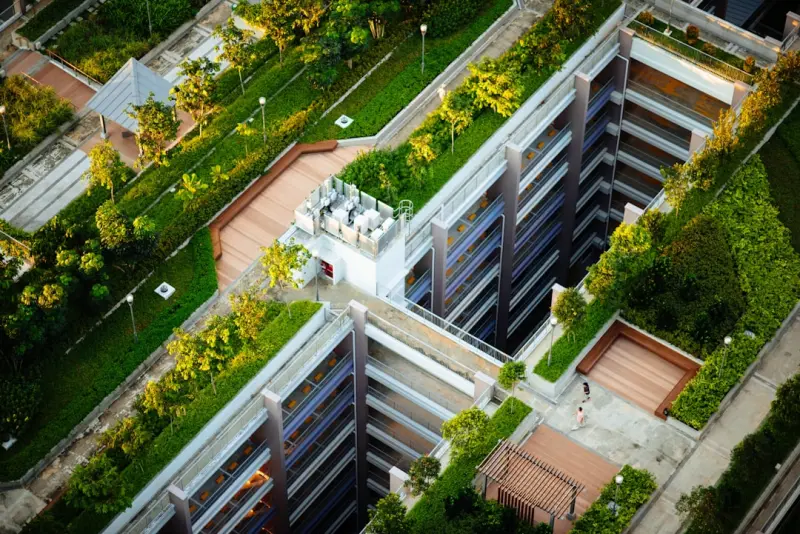
Imagine stepping out onto a sun‑kissed balcony in downtown Toronto, inhaling the scent of rosemary and thyme, and plucking a ripe tomato from a vine that’s thriving just a few stories above the bustling street. This isn’t a futuristic fantasy; it’s the daily reality for a growing legion of Canadians who are reshaping city skylines into thriving, edible ecosystems. Rooftop gardens are no longer a niche hobby—they’re a cultural shift toward resilient, locally sourced food, mental well‑being, and neighborhood cohesion.
Why Rooftops Matter in the Canadian Context
Canada’s urban centers are expanding at a rapid pace, and with that growth comes a pressing need to address three intertwined challenges: food security, climate resilience, and mental health. Rooftop gardens answer all three:
- Local Food Production: By growing produce where it’s consumed, city dwellers slash the carbon footprint associated with long‑haul transportation.
- Heat Island Mitigation: Vegetated roofs absorb sunlight, reducing ambient temperatures and easing the load on municipal cooling systems.
- Well‑Being Boost: Studies consistently show that gardening reduces stress, improves mood, and fosters a sense of purpose.
These benefits align perfectly with the Canadian ethos of community and stewardship of the land, making rooftop gardening a natural extension of our national values.
Climate Challenges—and Clever Solutions
Canada’s climate is famously diverse. While Vancouver enjoys mild, rainy winters, Calgary endures bone‑dry winters and scorching summer afternoons. Rooftop gardeners must therefore tailor their strategies to local micro‑climates.
Seasonal timing* is crucial. In colder regions, gardeners often start seeds indoors during the winter, transitioning them to the roof once the risk of frost passes. In milder zones, a continuous planting schedule can keep the harvest flowing year‑round.
One ingenious adaptation is the cold‑frame greenhouse, a low‑tech structure that traps solar heat while shielding plants from wind and snow. In cities like Montreal, hobbyists have repurposed reclaimed windows to construct affordable cold frames that extend the growing season by up to three months.
Designing a Rooftop Garden That Works
Successful rooftop gardens begin with thoughtful design. Below is a step‑by‑step checklist that any Canadian homeowner or building manager can follow:
- Assess Structural Load: Verify that the roof can support the additional weight of soil, containers, and water. Most modern commercial roofs can handle 20–30 lb/ft², but it’s wise to consult a structural engineer.
- Choose the Right Growing Medium: Lightweight, well‑draining mixes—often a blend of coconut coir, perlite, and compost—prevent waterlogging and reduce load.
- Implement Efficient Irrigation: Drip systems paired with rainwater harvesting tanks dramatically cut water use and keep plants hydrated during dry spells.
- Plan for Wind Protection: Wind tunnels can desiccate foliage. Installing trellises, lattice, or even simple windbreaks made from reclaimed pallets can protect delicate herbs and seedlings.
- Incorporate Multi‑Layer Planting: Use vertical planters, hanging baskets, and tiered shelves to maximize limited space and create a lush, three‑dimensional garden.
When you combine these fundamentals with a keen eye for aesthetics, the rooftop becomes more than a garden—it transforms into a living room extension, an outdoor office, or a tranquil meditation space.
Choosing Plants for Canadian Skies
Native and climate‑adapted species are the backbone of any resilient rooftop garden. Below are categories and specific plant suggestions that thrive across Canada’s major urban hubs:
- Herbs: Thyme, oregano, sage, and chives tolerate wind and heat, making them perfect for sunny roofs.
- Leafy Greens: Kale, Swiss chard, and arugula have a fast turnover and can survive light frosts.
- Root Vegetables: Baby carrots, radishes, and beets grow well in deep containers and require minimal maintenance.
- Fruit: Dwarf varieties of strawberries, blueberries, and raspberries are compact and produce abundantly in limited spaces.
- Edible Flowers: Nasturtiums and calendula add color while serving as pollinator magnets.
For inspiration on integrating foraged flavors into your meals, check out Seasonal Foraging for Peak Health. The article offers a deeper dive into how wild and cultivated edibles can complement each other.
Building Community From the Top Down
Rooftop gardens naturally become gathering spots. In Vancouver, the Sky Farm Collective hosts monthly potluck dinners where residents exchange recipes and harvest tips. In Halifax, a cooperative of condo owners pooled resources to create a rooftop apiary, producing local honey while enhancing pollination for their vegetable beds.
These communal efforts echo the broader Canadian tradition of shared stewardship. By inviting neighbors onto the roof, you foster relationships that extend beyond the garden gate, creating a micro‑society that values collaboration over competition.
Policy Support and Incentives
Recognizing the environmental and social upside of rooftop greening, several municipalities have introduced incentives:
- Toronto Green Roof Bylaw: Requires new commercial developments over 2,000 sq ft to incorporate a minimum of 0.5 sq ft of green roof per 1 sq ft of roof area.
- Vancouver’s Rooftop Garden Grant: Provides up to $5,000 for residential projects that meet sustainability criteria.
- Quebec’s Agricultural Tax Credit: Offers a 15% credit on expenses related to urban agriculture, including rooftop farms.
These policies lower the financial barrier for homeowners and developers, making it easier to justify the initial investment.
Case Study: Toronto’s Sky Farm Initiative
The Sky Farm Initiative launched two years ago on a 20‑story office tower in downtown Toronto. Here’s how they achieved success:
- Partnership Model: The building’s management partnered with a local non‑profit to handle garden design, while tenants contributed volunteer hours.
- Technology Integration: Sensors monitor soil moisture, temperature, and sunlight, sending real‑time alerts to a mobile app—an approach reminiscent of Micro‑Experiences that personalize user interaction.
- Economic Impact: Within the first harvest, the rooftop produced enough vegetables to supply the building’s cafeteria for three months, saving an estimated $12,000 in food costs.
- Community Reach: Over 200 volunteers participated in workshops, and the rooftop’s produce was donated to a nearby food bank, reinforcing the social fabric of the neighbourhood.
This example demonstrates that rooftop gardens can be both profitable and socially responsible—a win‑win for Canadian cities.
Maintenance Tips for Long‑Term Success
Even the most well‑designed garden needs regular care. Below are practical maintenance habits that keep plants thriving year after year:
- Monthly Soil Checks: Test pH and nutrient levels; amend with organic compost as needed.
- Seasonal Pruning: Remove dead foliage in late autumn to prevent disease overwintering.
- Water Management: Adjust drip timers based on rainfall; install overflow drains to avoid water pooling.
- Pest Monitoring: Use sticky traps and introduce beneficial insects like ladybugs to naturally control aphids.
- Winter Preparation: Secure containers against wind, cover delicate plants with frost blankets, and ensure irrigation lines are drained.
The Future of Rooftop Gardening in Canada
Looking ahead, three trends will shape the next wave of rooftop agriculture:
- Integration with Smart Buildings: IoT sensors will automate irrigation, fertilization, and even climate control, turning roofs into self‑sustaining ecosystems.
- Vertical Farming Technologies: Stackable hydroponic systems will enable high‑density production in limited footprints, making rooftop farms viable even on narrow condo balconies.
- Policy Evolution: As the climate crisis intensifies, more municipalities are expected to mandate green roofs, turning them from optional amenities to required infrastructure.
By embracing these innovations, Canadians can ensure that our cities remain livable, resilient, and deeply connected to the land—no matter how high we climb.
Whether you’re a seasoned urban farmer or a curious newcomer, the rooftop is a canvas waiting for your green thumb. The next time you step onto a balcony, consider the possibilities: a salad bar just steps away, a gathering spot for neighbors, and a small but powerful contribution to a more sustainable Canada.

Related Posts

Why Canada’s Neighborhood Tool Libraries Are the DIY Revolution We Didn’t Know We Needed
From Vancouver to Nova Scotia, community tool libraries are booming, offering affordable access to e... Read More

Seasonal City Sanctuaries: How Canadians Are Bringing Nature Into Urban Life
Canadian cities are turning rooftops, balconies, and vacant lots into seasonal sanctuaries, reconnec... Read More

Cottage Comeback: Remote Work Revives Canadian Seasonal Living
Remote work is reshaping Canadian living, turning traditional summer cottages into permanent, eco‑... Read More
Top Posts

Chasing the Moon: The Growing Phenomenon of Night Fishing on Ontario’s Lakes
Discover why night fishing is becoming Ontario’s hottest trend, with expert tips on gear, top spots, safety, and sustainable practices for anglers of all leve...Read More

When Pixels Meet Pomp: AR & VR Transform Prom and Graduation Experiences
A deep dive into the rise of immersive tech at proms and graduations, highlighting AR dress‑ups, virtual venues, data‑driven planning, and student‑led inn...Read More

Eating to Your Body Clock: The Chrononutrition Guide
Learn how to eat in harmony with your body’s internal clock to improve metabolism, energy, and overall health with actionable chrononutrition strategies....Read More

Stretching Your Dollar: Smart Ways to Save on Everyday Expenses
Learn how to save money on everyday expenses with these 10 simple tips. From meal planning to shopping secondhand, discover how to stretch your dollar and achie...Read More
0 Comments
Post Comment
You will need to Login or Register to comment on this post!