
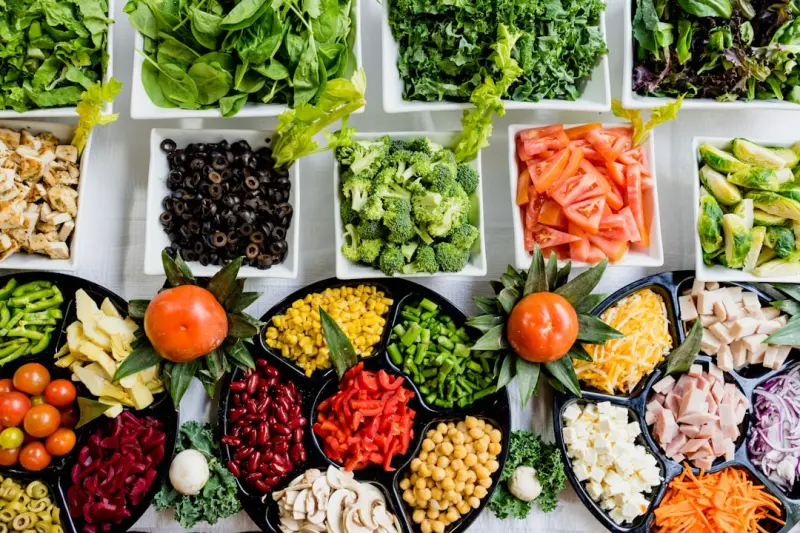
Why Seasonal Foraging Is the Secret Weapon Your Diet Is Missing
When I first stepped into the woods behind my childhood home, the air was crisp, the leaves whispered, and my grandma handed me a handful of wild nettles. She didn’t call it a “superfood”; she called it home. That moment sparked a lifelong curiosity about the hidden bounty that thrives just beyond the grocery aisle. Today, as a self‑declared “food‑detective,” I’m on a mission to prove that seasonal foraging isn’t a niche hobby—it’s a pragmatic, science‑backed strategy for optimal health.
Foraging vs. Grocery Shopping: The Real Cost Comparison
Most of us think of grocery bills as the primary expense of eating well. While that’s true, the hidden costs of convenience often go unnoticed. Think about the subscription spiral that keeps delivering pre‑packaged meals to our doors. Each box arrives wrapped in plastic, sourced from farms far away, and priced at a premium for the sheer convenience of “no‑prep.” In contrast, foraging is a zero‑cost activity once you have the basic tools: a basket, a guidebook, and a willingness to get a little dirty.
But the savings aren’t just monetary. By harvesting food at its natural peak, you bypass the energy‑intensive supply chain that strips nutrients and adds carbon emissions. The result? A plate that’s richer in vitamins, minerals, and phytochemicals—essentially a natural multivitamin that your body can absorb more efficiently.
The Science Behind Wild Nutrition
Researchers have long documented that wild edibles often contain up to double the nutrient density of their cultivated counterparts. Here’s why:
- Stress‑Induced Phytochemicals: Plants in the wild face harsher conditions—soil variability, pests, and weather extremes. This stress triggers the production of antioxidants like flavonoids and polyphenols, compounds linked to reduced inflammation and improved heart health.
- Soil Diversity: Wild soils host a richer microbiome, which translates into higher mineral uptake (think magnesium, potassium, and iron). These minerals are crucial for everything from muscle function to nerve signaling.
- Absence of Chemical Interference: Without synthetic fertilizers or pesticides, wild plants retain their natural chemical balance, meaning you’re getting food in its most authentic form.
Take stinging nettle, for example. While its name might deter the faint‑hearted, this humble plant boasts iron levels comparable to spinach, plus a surprising amount of vitamin C—perfect for boosting immunity during the chilly months.
Seasonal Foraging: A Calendar, Not a Checklist
One of the most rewarding aspects of foraging is learning to read nature’s calendar. Each season offers a distinct menu, and aligning your meals with these cycles can harmonize your internal rhythms.
Spring: Reboot with Greens and Roots
Early spring is the perfect time to hunt for:
- Wild Asparagus: Thin, tender shoots that pack a punch of folate and vitamin K.
- Ramps (Wild Leeks): Their garlicky aroma adds depth to sauces while delivering sulfur compounds that support liver detoxification.
- Fiddleheads: The curled fronds of young ferns are rich in omega‑3 fatty acids and antioxidants.
Incorporating these into a spring detox bowl—with quinoa, roasted beetroot, and a drizzle of lemon‑tahini—creates a nutrient‑dense start to the year.
Summer: Harvest the Sun’s Sweetness
Summer’s bounty is bright, both in color and in phytochemical content:
- Mulberries: Bursting with anthocyanins, these berries support eye health and cognitive function.
- Wild Blackberries: High in fiber, they aid digestion and keep blood sugar stable.
- Wood Sorrel: Its citrusy tang offers a natural source of vitamin C, perfect for sprinkling over salads.
Try a chilled sorrel‑infused water or a blackberry‑mint salsa to keep hydration and flavor levels high during heatwaves.
Autumn: Grounding Roots and Hearty Berries
When the leaves turn, the forest floor becomes a pantry of earthy delights:
- Chaga Mushroom: This blackened marvel is a potent adaptogen, supporting immune resilience.
- Wild Cranberries: Their tartness balances richer dishes and adds a dose of vitamin C.
- Acorns (properly leached): A surprising source of healthy fats and complex carbs, perfect for homemade flour.
A warming acorn‑based porridge, sweetened with wild honey and topped with toasted chaga flakes, is the ultimate autumn comfort food—minus the processed sugars.
Winter: Subtle Foraging for Sustenance
Winter foraging often requires patience, but the rewards are worth the effort:
- Wintergreen Leaves: Their menthol notes can be brewed into a soothing tea that eases respiratory congestion.
- Holly Berries (cooked): When properly prepared, they provide vitamin A and a tangy flavor for sauces.
- Evergreen Sprigs: Rich in terpenes, they’re excellent for infusing oils that boost circulation.
These ingredients are ideal for creating “immune‑boosting elixirs” that keep you thriving through the cold months.
Getting Started: Safety First
Before you dash into the woods with a basket, a few ground rules will keep your adventure safe and enjoyable:
- Know Your Plant: Use a reliable field guide or a reputable app to confirm identification. Mistaking a harmless plant for a toxic look‑alike can have serious consequences.
- Harvest Responsibly: Follow the “take only what you need” principle. Over‑harvesting can destabilize ecosystems and reduce future yields.
- Clean Thoroughly: Rinse all foraged items in clean water and, when possible, give them a quick blanch to remove any surface contaminants.
- Start Small: Introduce one new wild ingredient per week to gauge your body’s response and avoid digestive surprises.
Integrating Foraged Foods into a Modern Lifestyle
Many readers assume that foraging requires a rustic, off‑grid lifestyle. That’s not the case. Here’s how to blend wild foods into a bustling, tech‑savvy routine:
- Batch Prep on Weekends: Spend a Saturday morning foraging, then dehydrate or freeze the harvest for quick meals during the week.
- Combine with Meal‑Kit Services: Add a handful of foraged greens to a pre‑planned dinner—think kale‑based pesto with a surprise twist of wild arugula.
- Leverage Technology: Use the ghost kitchens trend to order a custom dish that incorporates your foraged find. Some forward‑thinking chefs now accept “wild ingredient” requests.
- Document and Share: Keep a foraging journal (digital or paper) to track seasons, locations, and recipes. Sharing your discoveries on social media can inspire community foraging events.
From Forage to Table: A Sample Day of Wild‑Inspired Meals
Below is a full‑day menu that demonstrates how to weave seasonal finds into balanced nutrition.
Breakfast: Wild Greens & Mushroom Scramble
Ingredients: hand‑picked nettles, chopped chaga, free‑range eggs, a splash of oat milk, sea salt, and pepper.
Method: Sauté nettles until wilted, add chopped chaga, then pour in beaten eggs. Cook to a soft scramble and serve with whole‑grain toast.
Mid‑Morning Snack: Blackberry‑Mint Hydration Shot
Blend fresh wild blackberries with mint leaves, a squeeze of lemon, and sparkling water. This antioxidant‑rich drink fuels your metabolism and keeps you hydrated.
Lunch: Spring Ramp & Asparagus Risotto
Use wild ramps and fresh asparagus spears to flavor a creamy risotto. Finish with a sprinkle of toasted pine nuts for texture.
Afternoon Pick‑Me‑Up: Wood Sorrel Tea
Steep a handful of wood sorrel leaves in hot water for 5 minutes. The citrusy tang acts as a natural mood‑enhancer without added caffeine.
Dinner: Autumn Acorn Flour Flatbread with Wild Cranberry Compote
Combine leached acorn flour with yeast, water, and a pinch of sea salt for a hearty flatbread. Top with a compote made from simmered wild cranberries, a dash of cinnamon, and a drizzle of local honey.
Evening Wind‑Down: Chaga‑Infused Golden Milk
Warm almond milk with ground chaga, turmeric, ginger, and a touch of maple syrup. This soothing beverage supports sleep and recovery.
Mindful Eating: The Psychological Benefits of Foraging
Beyond the biochemical advantages, foraging cultivates a deeper connection to the land, fostering mindfulness and reducing stress. The act of walking, breathing, and observing nature activates the parasympathetic nervous system—your body’s natural “rest and digest” mode. When you later sit down to enjoy a meal you harvested yourself, you experience a profound sense of gratitude that can improve digestion and emotional well‑being.
Overcoming Common Barriers
Many people cite “lack of time,” “uncertainty about identification,” or “urban living” as obstacles. Here’s how to break through:
- Urban Foraging: City parks, riverbanks, and even vacant lots host a surprising array of edible plants—dandelion greens, purslane, and wild garlic are often abundant.
- Time‑Efficient Strategies: Pair foraging with existing activities—walk the dog, run errands, or cycle to work. A 15‑minute walk can yield enough greens for a salad.
- Education Resources: Join local foraging groups, attend workshops, or subscribe to newsletters that offer monthly plant spotlights.
Conclusion: Turn the Wild Into Your Wellness Ally
In a world saturated with processed foods and marketing hype, the simplest, most powerful solution may be waiting just outside your doorstep. Seasonal foraging isn’t a fad; it’s a timeless practice that aligns our bodies with the rhythm of the earth, delivering unmatched nutrition, financial savings, and a renewed sense of purpose. So next time you hear the rustle of leaves, pause, look, and consider: what health treasure is hidden in plain sight?

Related Posts

Nourish Your Body: A Fresh Take on Healthy Foods
Explore vibrant, budget‑friendly healthy food ideas—seasonal produce, plant‑based proteins, gu... Read More
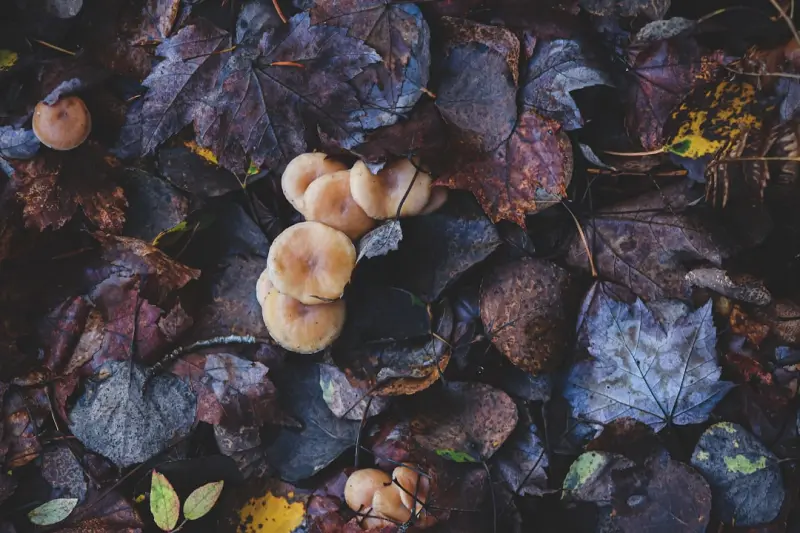
Seasonal Foraging: The Hidden Powerhouse for Modern Nutrition
Explore the health benefits of seasonal foraging, learn practical tips for beginners, and see how wi... Read More

Sync Your Meals with Your Body Clock: The Chrononutrition Playbook
Learn the science behind chrononutrition and get a step‑by‑step meal schedule that fits a busy l... Read More
Top Posts

When Algorithms Meet Mixology: The AI‑Powered Cocktail Renaissance
AI is shaking up the bar scene, using data to craft bespoke cocktails that match mood, weather, and inventory, while honoring cultural roots and reducing waste....Read More
Slashing Your Rural Expenses: Insider Tips for Savvy Living
Living in a rural area can be a wonderful experience, but it requires some careful planning and budgeting. Learn how to slash your rural expenses and live a mor...Read More

Electoral Reform: The Quiet Revolution Reshaping Canadian Politics
Electoral reform is more than a policy tweak; it’s reshaping Canada’s political fabric. Discover how new voting models, Indigenous self‑governance, and di...Read More

Tech‑Savvy Prom & Graduation: Turning One Night Into a Lasting Digital Celebration
Blend tradition with technology—QR code invites, AR booths, AI playlists, and savvy budgeting—to create a prom or graduation night that lives on in digital ...Read More
0 Comments
Post Comment
You will need to Login or Register to comment on this post!