
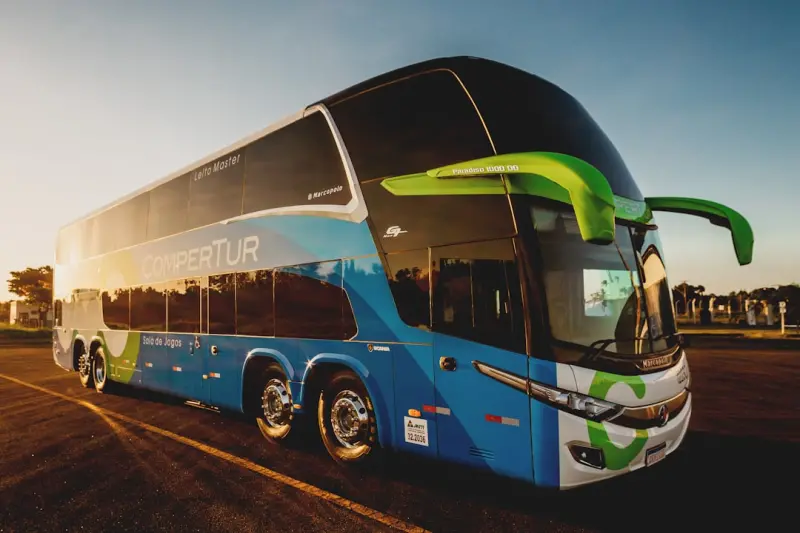
Why Food‑First Cruises and Bus Tours Are the Next Big Travel Trend
When I first set foot on a cruise ship, I was dazzled by the endless pool decks, the glittering casino lights, and the promise of “all‑inclusive” indulgence. Yet, after a week of sipping generic cocktails and strolling past a buffet that felt more like a cafeteria, I realized something was missing: taste. Not just any taste, but the kind of culinary story that makes you feel you’re actually traveling through a region’s heritage, not just its coastline.
Fast forward to today, and you’ll find a surge of operators that have swapped the traditional “cruise‑and‑relax” model for an experience built around local food ecosystems. The same is happening on the road, where bus tours are turning into rolling food festivals, complete with farm‑to‑table pop‑ups, chef‑led tastings, and immersive cooking workshops. This isn’t a fleeting gimmick; it’s a fundamental shift in how travelers define value on the move.
The Appetite for Authenticity
Modern travelers are no longer satisfied with glossy brochures that showcase sunsets and lounge chairs. According to recent market research, more than 70% of vacationers say they would pay a premium for meals that reflect the culture of their destination. The reason is simple: food is a direct conduit to history, climate, and community. When you bite into a freshly‑caught Atlantic cod on a Maine‑bound cruise, you’re tasting the Atlantic’s health, the local fishermen’s stewardship, and the centuries‑old culinary traditions of New England.
This appetite for authenticity has given rise to a new class of itineraries:
- Region‑Specific Culinary Cruises – Vessels that sail along a single coastline (e.g., the Mediterranean, the Pacific Northwest) and partner with local chefs to create menus that evolve with each port.
- Farm‑to‑Bus Tours – Long‑distance buses that stop at vineyards, organic farms, and artisanal producers, letting passengers harvest, cook, and eat together.
- Interactive Food Workshops – Onboard cooking classes, fermentation labs, and tasting panels that turn passive diners into active creators.
From Buffet to Storyboard: Redesigning the Onboard Menu
Traditional cruise dining rooms operated on a “one‑size‑fits‑all” principle: endless rows of shrimp cocktail, endless pasta, endless coffee. The new wave replaces that with curated storyboards. Each night’s menu is a chapter, and every dish is a page that references the day’s shore excursion.
Consider a week‑long “Spice Route” cruise through the Caribbean. Day one, passengers disembark in Jamaica and visit a local pepper farm. That evening, the galley serves a pepper‑infused jerk chicken, explaining the cultivar’s role in the island’s economy and climate resilience. The next day’s stop in the Dominican Republic introduces cacao farms, followed by a dessert tasting that pairs locally sourced chocolate with a rum reduction. By the time the ship returns to port, guests have not only tasted a region’s flavors but also understood the agricultural narratives behind them.
On bus tours, the same principle applies, only on a smaller, more intimate scale. A coach traveling through the Okanagan Valley might pause at a boutique vineyard where passengers press grapes by hand, then return to the bus to learn about the winemaking process while sipping the very wine they helped create. The result is a memory‑rich experience that can’t be replicated by a generic restaurant on the highway.
Why Food Texture Matters (And How It Shapes the Journey)
While flavor often steals the spotlight, texture is the unsung hero that can elevate—or sabotage—a dish. The hidden power of food texture isn’t just a health fad; it’s a sensory anchor that ties the traveler’s palate to the place they’re visiting. A crisp, flaky fish skin caught off the coast of Nova Scotia tells a different story than a soft, buttery fillet farmed inland.
Operators are now training their culinary teams to think like food scientists. By adjusting cooking methods—grilling, sous‑vide, smoking—they can highlight regional textures that echo local geography. A bus tour through the Canadian Prairies might feature a smoked bison jerky that mimics the dry, wind‑sculpted plains, while a cruise along the Norwegian fjords could serve a delicate smoked salmon that mirrors the icy, glacial waters.
The Business Case: Higher Margins, Loyal Customers
From a revenue perspective, food‑first itineraries are a win‑win. Premium meals justify higher ticket prices, while unique culinary experiences generate ancillary revenue streams—think exclusive tasting events, limited‑edition sauces, or “take‑home” culinary kits. Moreover, because food is such a visceral memory trigger, satisfied diners become vocal brand ambassadors, driving organic word‑of‑mouth and social media buzz.
Data from early adopters shows a 15‑20% increase in average spend per passenger when culinary experiences are woven into the itinerary. This uplift comes from both higher base fares and add‑on purchases like private chef tables, cooking workshops, and specialty merchandise.
Technology Meets Taste—But Not the Way You Think
Don’t worry; I’m not rehashing the “tech‑driven sustainable evolution” narrative that’s already been covered on our blog. Instead, the technology that powers these food‑centric journeys is all about personalization and real‑time feedback. Imagine a mobile app that lets passengers rate each dish’s flavor, aroma, and texture on a five‑star scale. The data instantly informs the galley’s next menu, ensuring that the culinary narrative stays fresh and responsive.
On bus tours, GPS‑linked “taste stops” can suggest pop‑up food stalls based on a passenger’s dietary preferences, past ratings, or even their mood (detected via quick emoji surveys). The result is a dynamic itinerary that feels handcrafted for each traveler, turning a standard route into a personalized culinary adventure.
Building Community on Wheels and Waves
Food naturally fosters connection. When strangers share a communal table, they swap stories about the dish, the region, and their own travels. This communal vibe is amplified on cruise ships and long‑haul buses where people spend hours together. By designing shared cooking experiences—think “cook‑along” stations where passengers assemble a local dish under a chef’s guidance—operators cultivate a sense of belonging that traditional sightseeing can’t match.
For those interested in the broader impact of shared resources, our recent piece on how shared resources slash your cost of living provides a deeper dive into the economics of communal consumption, a principle that translates beautifully onto the travel stage.
Challenges and How to Overcome Them
Transitioning to a food‑first model isn’t without hurdles. Logistics, sourcing, and regulatory compliance can be daunting, especially when a ship or bus visits multiple jurisdictions in a short span. Here are three practical strategies operators are using:
- Local Partnerships – Establishing long‑term contracts with regional farms, fisheries, and artisans ensures consistent supply and authentic sourcing.
- Modular Kitchens – Investing in compact, adaptable kitchen units that can be re‑configured for different cooking methods helps accommodate diverse menus without massive retrofits.
- Compliance Teams – Hiring or consulting with food safety experts familiar with cross‑border regulations reduces the risk of last‑minute ingredient bans or health inspections.
Looking Ahead: The Future of Flavor on the Move
As climate change reshapes agricultural zones, the culinary stories we tell on the road and at sea will evolve. Operators who can pivot quickly—sourcing new local ingredients, updating menus, and educating passengers about emerging food systems—will stay ahead of the curve. Moreover, the rise of regenerative agriculture means that future cruises and bus tours could market not just taste, but environmental impact, giving travelers a tangible way to support sustainable practices through the very meals they enjoy.
Imagine a future where a cruise’s “carbon‑neutral dinner” is sourced from a shipboard aquaponics farm, or a bus tour’s “zero‑waste snack” is made from upcycled by‑products of local breweries. The possibilities are as vast as the oceans and highways we traverse.
Final Thoughts: Eat, Explore, Remember
If you’ve ever walked off a cruise deck feeling like you’d just endured a floating hotel, or disembarked from a bus tour with a vague memory of a scenic highway, consider this: the next evolution of travel isn’t about moving faster; it’s about tasting deeper. By centering food—its flavors, textures, stories, and communities—operators can turn ordinary itineraries into unforgettable journeys that linger long after the ship’s horn fades or the bus doors close.
So the next time you book a vacation, ask yourself: What’s on the menu? If the answer is a curated, locally‑sourced culinary adventure, you’re likely on the cutting edge of the travel revolution.

Related Posts

Finding Calm on Waves and Roads: A Fresh Take on Wellness‑Focused Travel
Discover a new travel mindset that blends sea‑borne serenity and road‑bound cultural immersion, ... Read More
Wellness on the Move: Curating Calm in Cruises & Bus Tours
A deep dive into emerging wellness‑focused strategies for cruises and bus tours, from digital‑fr... Read More

Why Multi‑Mode Adventures Are the Future of Travel
Explore the rise of hybrid travel—combining cruise ships and bus tours—for richer itineraries, h... Read More
Top Posts

Rethinking the Cost of Living in a Remote‑First World
Remote work reshapes traditional cost‑of‑living calculations. This guide uncovers hidden expenses, offers a dashboard for tracking, and provides practical t...Read More

Seasonal Foraging: The Hidden Powerhouse for Modern Nutrition
Explore the health benefits of seasonal foraging, learn practical tips for beginners, and see how wild edibles can transform everyday meals and community resili...Read More

National Supply Chain Resilience: A Blueprint for Canadian Enterprises
A deep dive into why Canada needs a unified approach to supply chain resilience, outlining strategic localization, data‑driven visibility, and collaborative e...Read More

The Dark Side of Rural Living: A Parental Warning
Rural living can be a wonderful experience, but it's essential to be aware of the potential challenges and dangers. Learn how to mitigate risks and create a saf...Read More
0 Comments
Post Comment
You will need to Login or Register to comment on this post!