

Wellness on the Move: Curating Calm in Cruises and Bus Tours
When I first stepped onto a cruise ship for a week‑long “digital‑detox” retreat, I expected the usual lineup of sunrise yoga, spa menus, and endless buffets. What I didn’t anticipate was how the very architecture of the journey—its pacing, its communal spaces, its rhythm of arrival and departure—could be deliberately designed to nurture mental clarity and physical well‑being. A few months later, I found myself on a luxury bus winding through the Canadian Rockies, and the same realization unfolded, only this time on four wheels instead of a floating palace.
What if the travel industry, long obsessed with speed, spectacle, and “Instagram‑able” moments, started to ask a different question: How can we make the journey itself a therapeutic experience? In this piece I’ll explore three emerging pillars that are reshaping cruises and bus tours into moving sanctuaries: intentional itinerary choreography, sensory‑focused design, and community‑centric programming. Along the way I’ll sprinkle in a couple of references to our own data‑driven explorations—just to show where we’ve been and where we’re headed.
1. The Power of Pacing: From “All‑Day‑On” to “Mindful‑Moments”
Traditional cruise itineraries read like a checklist: dock at Port A, explore for three hours, return for dinner, repeat. Bus tours follow a similar script—hop on, hear the guide’s spiel, snap a photo, move on. The problem? This relentless “on‑the‑go” tempo leaves little room for introspection. A growing cohort of travelers, especially post‑pandemic, are craving pauses that feel intentional rather than incidental.
- Scheduled “Digital‑Free Windows.”strong> Instead of merely offering “no‑wifi zones,” operators are carving out clearly marked periods—perhaps the first two hours after sunrise—where screens are discouraged and quiet reflection is encouraged. On a cruise, this could mean a sunrise deck with soft ambient lighting, guided breathing sessions, and a gentle reminder to simply watch the horizon. On a bus, a “silence stretch” at scenic pull‑overs allows passengers to breathe in fresh mountain air without the hum of conversation.
- Micro‑Retreat Stops. Imagine a bus tour that pauses at a hidden waterfall for a ten‑minute guided meditation, or a cruise that docks at a secluded cove for a “shore‑side mindfulness walk.” The key is not the length of the stop but the quality of the experience—curated, purposeful, and repeatable across the itinerary.
- Rhythmic Flow. Borrowing from music, some operators are designing itineraries with a “tempo map”: high‑energy days (excursions, cultural shows) are balanced with low‑energy days (spa, free‑time, gentle cruises). This rhythmic approach helps travelers avoid burnout and sustains enthusiasm throughout the journey.
These pacing strategies are already gaining traction. For instance, a boutique cruise line in the Mediterranean recently partnered with a meditation app to deliver curated audio experiences synced to the ship’s itinerary. The result? Higher passenger satisfaction scores and a noticeable dip in post‑trip anxiety reports.
2. Designing for the Senses: Beyond Sight and Sound
Most travel brands focus on visual storytelling—think breathtaking photos of turquoise waters or snow‑capped peaks. While the visual is undeniably powerful, the senses of smell, touch, and taste can anchor a moment in the brain far more deeply. When a scent or texture is linked to a specific place, it becomes a trigger for calm.
- Aromatherapy Corridors. Cruise ships are experimenting with subtle scent diffusers in hallways leading to relaxation zones. A light hint of lavender or sea‑salt can cue the brain to switch into relaxation mode before you even step into the spa.
- Texture‑Rich Seating. On luxury buses, designers are replacing hard plastic seats with ergonomically curved, breathable fabrics that mimic the feel of a well‑made armchair. Some even incorporate temperature‑regulating materials that stay cool in summer and warm in winter, reducing physical discomfort that can sap mental energy.
- Flavor‑Focused Dining. Instead of a buffet of endless options, a growing trend is “mindful tasting menus” where each course is paired with a brief guided reflection on its origin, flavor profile, and cultural context. This turns eating into an act of presence rather than a hurried refuel.
These sensory upgrades are not merely aesthetic; they have measurable health benefits. Research shows that consistent exposure to calming scents can lower cortisol levels, while comfortable seating reduces musculoskeletal strain, a common complaint among long‑haul bus travelers.
3. Community‑Centric Programming: From Passive Spectators to Active Participants
Travel is often marketed as a solitary escape, yet humans are inherently social creatures. The most memorable journeys are those where strangers become co‑travellers, sharing stories, learning together, and building a sense of collective purpose. The shift toward community‑centric programming is redefining how cruises and bus tours foster connection.
- Co‑Creation Workshops. Some cruise lines now host onboard “story labs” where passengers collaborate with local artists to craft a short narrative or piece of music that reflects the ports visited. The final product is performed on the ship’s stage, giving travelers a tangible legacy of the voyage.
- Peer‑Led Activity Pods. On long‑distance bus tours, facilitators are giving the floor to passengers who wish to lead a yoga session, a language mini‑class, or a photography walk during stops. This peer‑led model empowers travelers to share expertise and builds a supportive micro‑community.
- Social Impact Excursions. Rather than the typical “shopping and sightseeing” stops, a few operators now organize service‑oriented visits—helping a coastal community with beach clean‑up, or supporting a rural school with a short‑term art workshop. Participants leave with a sense of purpose, not just souvenirs.
These community initiatives do more than enrich the itinerary; they create a feedback loop of positivity. When travelers feel they belong to a supportive group, they’re more likely to engage fully with the wellness components of the trip, leading to deeper relaxation and personal growth.
4. Data as a Quiet Companion, Not a Commanding Voice
While this article emphasizes human‑centric design, it would be disingenuous to ignore the role of data entirely. In our own research, the piece Charting Personalized Horizons: How Data Is Redefining Cruises and Bus Tours highlighted how granular passenger metrics can inform itinerary tweaks—like adjusting the timing of a sunset meditation based on observed fatigue patterns.
However, the key distinction here is intent. Data should serve as a whisper that informs, not a megaphone that dictates. By analyzing aggregate wellness feedback (e.g., average heart‑rate variability during onboard yoga), operators can fine‑tune experiences without intruding on privacy or turning each traveler into a data point.
5. The Future Landscape: Hybrid “Well‑Being Vessels”
Imagine a vessel that merges the fluidity of a cruise with the intimacy of a boutique bus, all while embedding wellness into its DNA. Think modular decks that can transform from a yoga studio to a communal cooking space, or bus interiors that reconfigure into mini‑retreat pods for night‑time reflection.
Such hybrid concepts are already being prototyped. A European startup recently unveiled a “Well‑Being Cruiser”—a ship with dedicated zones for aromatherapy, sound‑bath chambers, and a greenhouse where passengers can tend to herbs that later appear in the dinner menu. The design philosophy mirrors our own Sailing Roads: Blending Ocean Voyages with Overland Adventures piece, but pushes further by embedding therapeutic intent into every structural element.
6. Practical Tips for Travelers Who Want Calm on the Move
If you’re reading this while planning your next trip, here are actionable steps you can take to ensure your cruise or bus tour supports your well‑being:
- Ask About Wellness Programming. Before booking, inquire whether the operator offers scheduled digital‑free windows, meditation sessions, or sensory‑enhanced spaces.
- Pack Thoughtfully. Bring a lightweight travel pillow, a reusable water bottle, and perhaps a small essential‑oil roll‑on (lavender is a crowd‑pleaser) to personalize your environment.
- Set Personal Intentions. Write down a single goal for the trip—whether it’s “practice mindful breathing for ten minutes each day” or “connect with at least three fellow travelers.” Revisiting this intention each morning can anchor your experience.
- Engage in Community Activities. Join a peer‑led session or volunteer for a service stop. The shared purpose amplifies the sense of belonging and deepens the wellness impact.
- Embrace the Slow Moments. When the ship or bus glides through a serene landscape, resist the urge to check emails. Instead, let the scenery become a living meditation.
7. Closing Thoughts: The Journey as a Destination
Travel has always been about escape, discovery, and transformation. By re‑imagining cruises and bus tours as moving sanctuaries—places where pacing, sensory design, and community converge—we’re not just offering a trip; we’re gifting a portable oasis of calm. The next time you step onto a deck or settle into a plush bus seat, ask yourself: “Am I here to be entertained, or am I here to be restored?” The answer, I hope, will guide you toward journeys that leave you lighter, brighter, and ready to bring that renewed energy back into everyday life.

Related Posts

Exploring the Hidden Gems of Rural America: A Journey Through Uncharted Getaways
Rural America offers a unique travel experience, with its vast landscapes, quaint charm, and authent... Read More

Sailing Roads: Blending Ocean Voyages with Overland Adventures
Explore the emerging travel trend of combining cruises with bus tours, offering a seamless blend of ... Read More
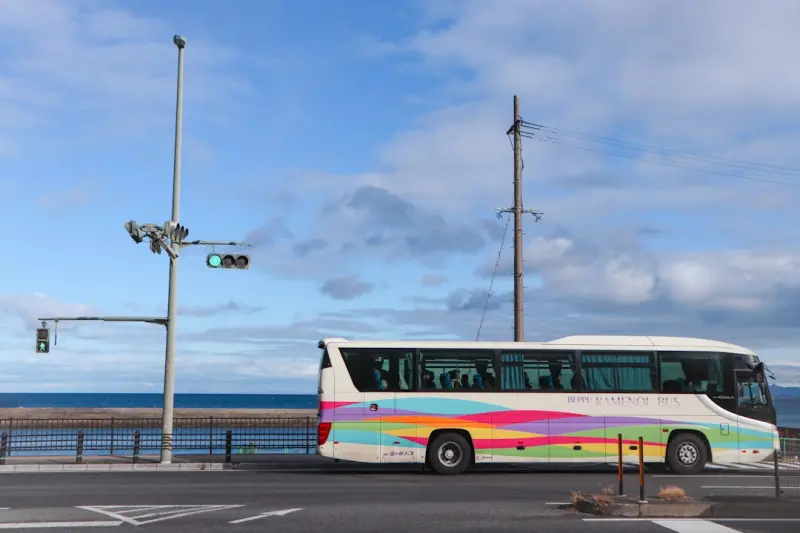
Data‑Driven Journeys: How Cruises and Bus Tours Are Becoming Personal Adventure Engines
From smart cabin climate controls to adaptive itineraries and cross‑modal loyalty points, data is ... Read More
Top Posts
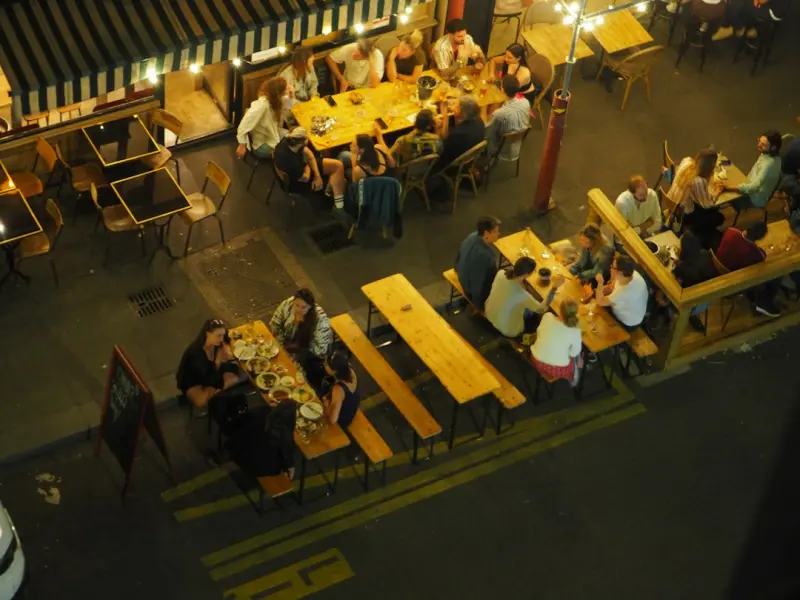
From Plate to Platform: How Restaurants Are Redefining Community in the Digital Age
Restaurants are evolving from mere dining spots into community hubs, leveraging subscription models, AI-driven menus, and multi‑sensory storytelling to build ...Read More

Rediscover Canada: A Rail‑Centric Adventure for the Modern Explorer
Experience Canada’s diverse landscapes and cultures aboard its iconic trains, with insider tips, scenic routes, and sustainable travel ideas....Read More

Legal Design: Transforming Contracts for the Digital Age
Contracts shouldn't be legal labyrinths. Learn why legal design and plain language are essential for today’s consumers and how businesses can create clear, tr...Read More

Edible Packaging: Turning Waste Into Flavorful Food Wraps
Explore the rise of edible packaging—from seaweed cups to herb‑infused wraps—and learn how it can cut waste, enhance taste, and reshape the future of food...Read More
0 Comments
Post Comment
You will need to Login or Register to comment on this post!