

Introduction
When I first stepped behind the bar of a downtown speakeasy that proudly displayed a compost bin beside its cocktail menu, I realized that the future of drinking is being rewritten not with new spirits, but with the clever repurposing of ingredients that would otherwise disappear. Upcycled mixology—the art of turning surplus fruit peels, stale herbs, and even spent coffee grounds into flavorful elixirs—offers a compelling answer to the waste crisis that has long haunted both farms and nightlife venues, and it does so with a swagger that thrills both the palate and the conscience.
The Environmental Toll of Traditional Mixology
Conventional cocktail culture has always celebrated excess: think towering ice walls, garnishes that are more decorative than edible, and a relentless churn of fresh produce that often ends up as landfill before the night’s last order is even placed. This model not only drains water and energy resources but also contributes to a carbon footprint that rivals many restaurant kitchens, a reality that is finally being exposed by sustainability advocates who demand that every drop of juice and every sprig of rosemary earn its place on the glass. By rethinking the supply chain and embracing a circular mindset, bars can pivot from being part of the problem to becoming a vivid example of environmental stewardship.
What Is Upcycling in the Bar World?
Upcycling, in its simplest form, means taking something that would be discarded and elevating it into a higher-value product, and in the bar scene this translates to using “waste” like citrus zest, cucumber skins, or even spent tea leaves to craft infusions, syrups, and bitters that add depth and complexity to drinks that would otherwise rely on pricey, single‑origin spirits alone. The process is both scientific and artistic: bartenders experiment with time, temperature, and texture, allowing the hidden aromatics of a forgotten peel to bloom into a fragrant syrup that can turn a humble gin fizz into a botanical adventure worthy of a tasting menu.
Sourcing Surplus Produce: The Farm‑to‑Glass Connection
Partnering with local farms and urban growers has become a cornerstone of the upcycled movement, as growers are eager to off‑load “ugly” fruits, over‑ripe berries, and vegetable tops that fail market standards but are bursting with flavor potential for a skilled mixologist. By establishing a reciprocal relationship—where the bar receives a steady stream of imperfect produce in exchange for promoting the farm’s sustainability story—both parties tap into a narrative that resonates with eco‑conscious diners and creates a tangible link between the field and the cocktail glass, a story that can be told over a sip of a rosemary‑infused bourbon sour.
Creative Techniques: Infusions, Reductions, and Ferments
Once the raw material is secured, the real magic happens in the back bar, where bartenders employ a toolbox of techniques that includes cold‑brew infusions that coax subtle citrus oils from orange peels, low‑heat reductions that concentrate the caramel notes of carrot tops, and spontaneous ferments that transform leftover kombucha scobies into tangy, probiotic‑rich cocktail bases. These methods not only preserve the essence of the original ingredient but also extend its lifespan by weeks, allowing a single batch of upcycled syrup to become the backbone of multiple drinks across a busy service, all while delivering a nuanced flavor profile that can’t be replicated with standard store‑bought mixers.
Spotlight: Bars That Turn Waste into Wow
Across the country, a handful of visionary establishments have already turned upcycled mixology into a signature attraction; for example, the rooftop lounge in Toronto that proudly showcases its “scrap garden” where leftover basil stems become the foundation of a basil‑infused vermouth that sings in their seasonal spritz, and the Seattle bar that transforms spent coffee grounds into a dark, earthy amaro that pairs perfectly with smoked rye. Their success stories echo the lessons found in the pop‑up kitchen revolution, proving that temporary, experimental spaces can serve as incubators for sustainable practices that later become mainstays on permanent menus.
DIY Upcycled Cocktail Kit at Home
For home enthusiasts eager to join the movement, assembling a personal upcycled cocktail kit is surprisingly straightforward: gather citrus peels, herb stems, and any over‑ripe fruit, store them in airtight jars with a neutral spirit like vodka, and let them steep for a few days while occasionally shaking the container to encourage extraction; then filter, sweeten with a simple syrup made from leftover sugar and water, and you have a versatile base ready to transform a classic martini or a breezy summer punch. This hands‑on approach not only reduces kitchen waste but also invites friends to share the story behind each ingredient, turning a simple gathering into an educational experience that mirrors the community‑building ethos highlighted in the article on eating the rainbow.
The Business Case: Profit, PR, and Patron Loyalty
From a commercial perspective, upcycled cocktails deliver a compelling ROI: the cost of sourcing surplus produce is negligible compared to premium liqueurs, yet the perceived value of a handcrafted, eco‑forward drink can command a higher price point, especially when the narrative is woven into the menu description and shared on social platforms. Moreover, patrons increasingly gravitate toward brands that demonstrate authentic sustainability, and a bar that proudly lists “upcycled” on its cocktail menu can attract media attention, generate buzz on Instagram, and cultivate a loyal clientele that returns not just for the taste but for the sense of contributing to a greener nightlife ecosystem.
Future Forecast: Redefining the Industry One Sip at a Time
Looking ahead, the integration of upcycled ingredients is poised to become a standard expectation rather than a niche novelty, as regulatory bodies begin to recognize waste reduction as a key metric in hospitality certifications and as supply‑chain technologies enable real‑time matching of surplus produce with bar demands. As this paradigm shift gains momentum, we can anticipate a new generation of cocktail textbooks that prioritize circularity, a wave of bar‑to‑consumer subscription services delivering monthly kits of upcycled mixers, and a broader cultural conversation that celebrates the ingenuity of turning yesterday’s leftovers into tomorrow’s signature sips, ultimately redefining how we think about flavor, responsibility, and the simple joy of a well‑crafted drink.

Related Posts
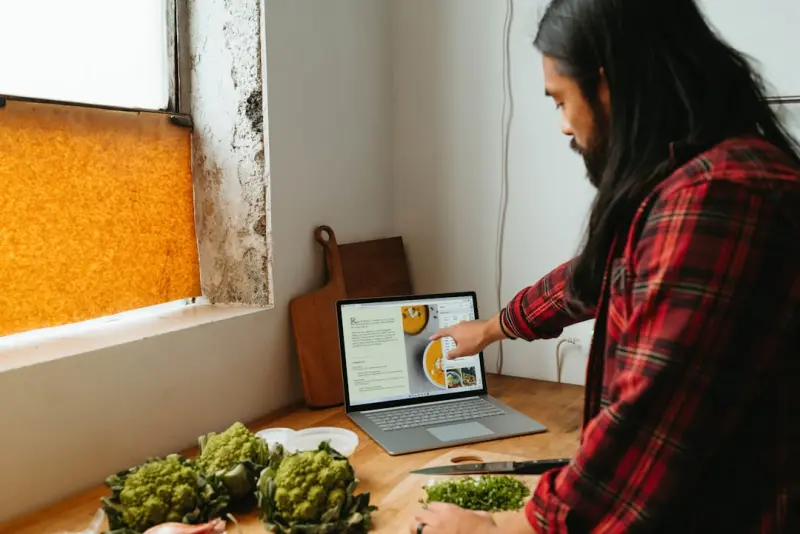
Flavor Alchemy: How Data is Transforming Home Cooking
Explore how modern data tools are unlocking new flavor pairings for home cooks, blending science wit... Read More
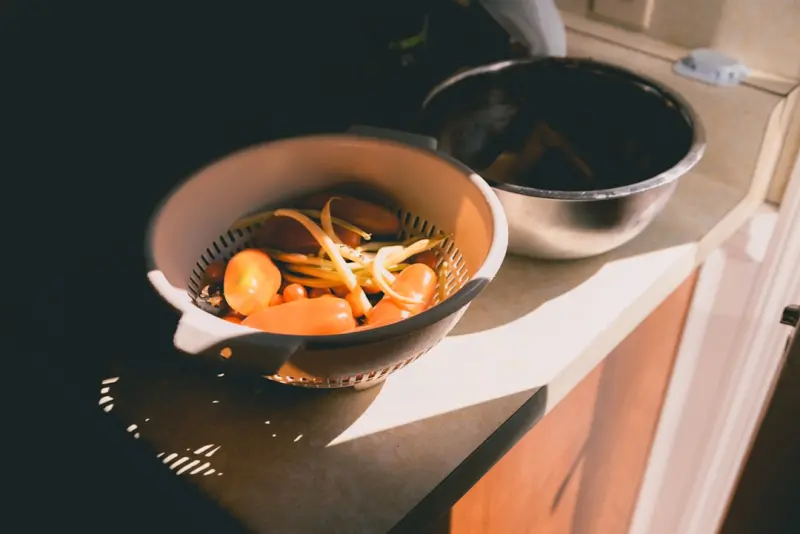
Zero‑Waste Kitchen Hacks: Turning Scraps into Gourmet Dishes
Learn to turn everyday food scraps into gourmet dishes using flavor alchemy, smart pantry tricks, an... Read More

When Bytes Meet Bites: How AI is Crafting the Future of Home Cooking
Artificial intelligence is reshaping everyday meals, offering data‑driven recipes, health‑focuse... Read More
Top Posts

Wanderlust Reimagined: Shawn DesRochers on Hybrid Travel, Smart Savings, and Sustainable Adventures
Shawn DesRochers shares his insider perspective on hybrid travel, budgeting tips, and sustainable tourism, guiding readers to unforgettable, responsible journey...Read More

From Fields to Experiences: How Canadian Farmers Are Turning Their Land into Destination Adventures
Explore the rise of agri‑tourism in Canada, where farms become immersive destinations offering hands‑on experiences, sustainable practices, and new revenue ...Read More

Reimagining Canada’s National Symbols for a Diverse Tomorrow
A deep dive into how Canada can redesign its national symbols—flags, coats of arms, and anthems—through inclusive, participatory processes that honor Indige...Read More

Sailing Green: How Cruises and Bus Tours Are Pioneering Sustainable Travel
A deep dive into the emerging sustainability movement within cruise lines and bus tour operators, highlighting innovative practices, traveler benefits, and the ...Read More
0 Comments
Post Comment
You will need to Login or Register to comment on this post!