
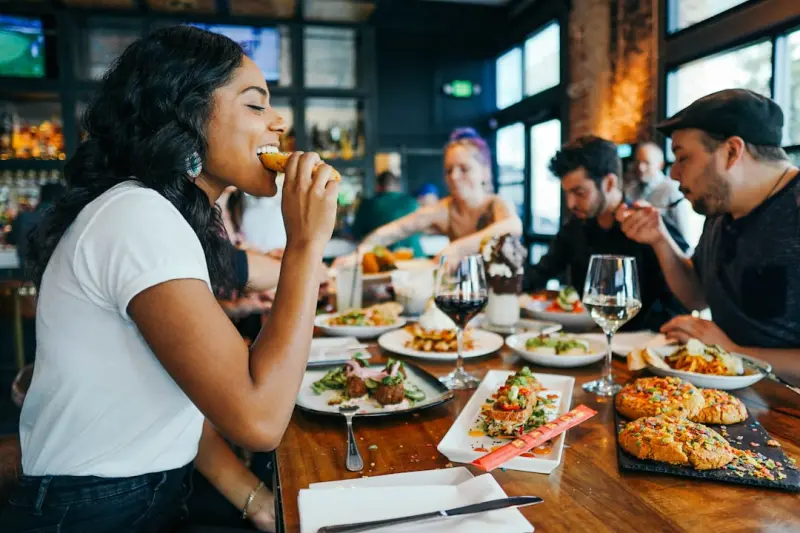
Why the Dining Scene Is Shifting Toward Pop‑Up Kitchens
When I first walked into a vacant warehouse turned makeshift bistro, the scent of smoked carrots and freshly baked sourdough hit me like a revelation. It felt less like a restaurant and more like a communal experiment, a place where the boundaries between chef, diner, and neighbor blur into a single, humming conversation about flavor. In the last few years, these temporary venues—often called “pop‑up kitchens” or “hyper‑local eateries”—have begun to rewrite the script of what a restaurant can be, emphasizing flexibility, authenticity, and a fierce sense of place. Hyper‑local pop‑ups are not just about novelty; they are a response to rising rents, shifting consumer expectations, and a desire for culinary storytelling that is rooted in the immediate neighborhood. For me, the excitement lies in the way they let chefs test daring concepts without the weight of a permanent lease, while diners get a front‑row seat to the creative process.
The Architecture of Community‑First Spaces
What makes a pop‑up kitchen truly thrive is its relationship with the surrounding community. Instead of hiding behind polished façades, these ventures often set up shop in repurposed community centres, underused retail corridors, or even in the backyards of local artisans, turning everyday spaces into culinary stages. The design is intentionally minimal—a few reclaimed tables, open‑air cooking stations, and walls that double as chalkboards for daily specials—so that the focus stays on the food and the shared experience. By inviting neighbors to contribute ingredients, stories, or even a seat at the counter, these kitchens become living murals of local culture. The result is a dining environment that feels as intimate as a family dinner yet as dynamic as a street market, where every night can bring a new menu, a new collaborator, and a fresh conversation about taste.
Experimentation Without the Safety Net of a Traditional Menu
Chefs who step into a pop‑up format are granted a rare freedom: the ability to abandon the constraints of a static menu and explore the edge of culinary imagination. Without the pressure of feeding a thousand repeat customers, they can play with fermentation, foraging, and cross‑cultural mash‑ups that would otherwise be deemed too risky for a permanent establishment. This experimental spirit also spills over into the service model; diners may be invited to vote on the next dish, suggest flavor pairings, or even help plate a plate, turning the meal into a collaborative performance. Such openness not only cultivates a sense of ownership among patrons but also provides chefs with immediate, real‑time feedback that can accelerate innovation. In many ways, the pop‑up kitchen operates like a culinary lab, where each night is a hypothesis, each plate a data point, and each satisfied guest a successful trial.
Economic Upside for Emerging Culinary Talent
One of the most compelling reasons to champion pop‑up kitchens is the economic pathway they carve for emerging chefs and food entrepreneurs. Traditional restaurant openings demand massive capital—leases, equipment, staff salaries—often leaving talented cooks locked out of the market. Pop‑ups, by contrast, can launch with a fraction of that investment, using shared equipment, temporary permits, and community sponsorships to keep costs low. This model enables chefs to test concepts, build a following, and generate revenue before committing to a permanent location, effectively de‑risking the venture. Moreover, the short‑term nature of pop‑ups creates a sense of urgency that drives ticket sales, turning a simple dinner into an event that diners are eager to attend before the doors close. The financial agility offered by this format is reshaping the culinary career ladder, allowing talent to rise on merit and creativity rather than deep pockets.
Technology as the Invisible Host
Behind the scenes, a suite of digital tools is orchestrating the seamless operation of pop‑up kitchens, from reservation platforms that manage limited seating to social‑media feeds that announce daily menus in real time. Mobile ordering apps enable chefs to gauge interest before a dish is even prepared, while QR‑code menus reduce the need for printed materials, aligning with the sustainability ethos that many pop‑ups champion. Data analytics also play a role; by tracking which dishes sell out fastest, chefs can fine‑tune their offerings on the fly, ensuring that each night’s menu is both profitable and resonant with local tastes. The integration of technology doesn’t strip away the human element—in fact, it amplifies it, allowing chefs to focus on creativity while algorithms handle logistics. This symbiotic relationship between culinary art and digital efficiency is turning what could be a chaotic pop‑up into a finely tuned, community‑driven experience.
Greener Plates Through Local Sourcing
Because pop‑up kitchens often sprout in the heart of neighborhoods, they naturally gravitate toward sourcing ingredients from nearby farms, markets, and even backyard gardens. This hyper‑local supply chain slashes transportation emissions, reduces waste, and supports regional producers who might otherwise struggle to find consistent buyers. Many pop‑ups also embrace “nose‑to‑tail” or “root‑to‑leaf” philosophies, using every part of an ingredient to maximize value and minimize discard. The result is a menu that reflects the season’s bounty, the terroir of the immediate area, and the ingenuity of chefs who must work within tight inventory constraints. The sustainability narrative is not a marketing afterthought; it is woven into the very fabric of the pop‑up’s operation, offering diners a transparent view of where their food comes from and a tangible way to support environmentally conscious practices.
Spotlight on a Local Success Story
Take the recent launch of “The Harvest Loft,” a pop‑up that set up shop in an old textile mill and partnered with nearby foragers to create a menu centered on wild greens and river fish. The founders leveraged the community’s love for seasonal cooking and turned the mill’s high ceilings into an open‑air kitchen, allowing patrons to watch the chefs fillet trout and toss fennel into a sizzling pan. Their story mirrors the insights shared in Urban Foraging: Turning City Streets Into Gourmet Ingredient Sources, where the power of local ecosystems fuels culinary innovation. Within weeks, the pop‑up sold out every night, sparking conversations about how vacant industrial spaces can be reclaimed for vibrant food experiences. The success of “The Harvest Loft” illustrates the ripple effect that a well‑executed pop‑up can have—revitalizing a neighborhood, empowering local producers, and redefining what a restaurant can look like.
The Road Ahead: From Temporary to Transformative
Looking forward, the pop‑up kitchen is poised to become more than a fleeting trend; it could serve as a blueprint for a resilient, community‑centric dining ecosystem. As cities grapple with rising real‑estate costs and consumers demand authenticity, the flexibility of temporary venues offers a pragmatic solution that benefits chefs, diners, and neighborhoods alike. By fostering collaboration, championing sustainability, and leveraging technology, these culinary micro‑incubators are setting the stage for a dining culture that values experience over permanence. If you’re a food lover seeking a fresh perspective, or a chef yearning for a low‑risk launchpad, the invitation is clear: step into the nearest vacant space, bring your imagination, and let the neighborhood become your table. The future of eating out may just be a series of unforgettable, pop‑up moments that leave lasting impressions on both palate and community.

Related Posts

Dining in 2024: Shawn DesRochers’s Inside Look at the Hottest Restaurant Waves
Shawn DesRochers reveals how technology, community focus, and sustainability are redefining restaura... Read More
The Secret Ingredient You’ve Been Ignoring: Restaurant Sound Design
Explore why sound is the invisible seasoning in dining. Learn science‑backed strategies, tech tool... Read More
How AI is Rewriting the Restaurant Playbook: From Menu Curation to Zero‑Waste Kitchens
The post examines AI-driven menu personalization, predictive waste reduction, ghost kitchens, and im... Read More
Top Posts

Tariff Turbulence: Turning Duty Costs Into SaaS Competitive Advantage
Tariffs affect more than just importers; SaaS firms with edge devices and data‑center hardware face hidden cost spikes. This post maps the tariff landscape, s...Read More

Beyond the Waiting Room: How Digital Health Hubs Are Redefining Care in Canada
A deep dive into the rise of digital health hubs, highlighting their role in bridging gaps for remote Canadians, empowering patients with data, and fostering mi...Read More
The Flavors of the Land: Exploring the Intersection of Food, Culture, and Canadian Identity
Canadian cuisine reflects the nation's cultural heritage. Explore the intersection of food, culture, and identity, and learn how to support local agriculture an...Read More

Grassroots Power, Indigenous Voices, and Digital Frontiers: Redefining Canadian Politics
A deep dive into the emerging forces—community activism, Indigenous youth leadership, and digital innovations—transforming Canadian politics and influencing...Read More
0 Comments
Post Comment
You will need to Login or Register to comment on this post!