
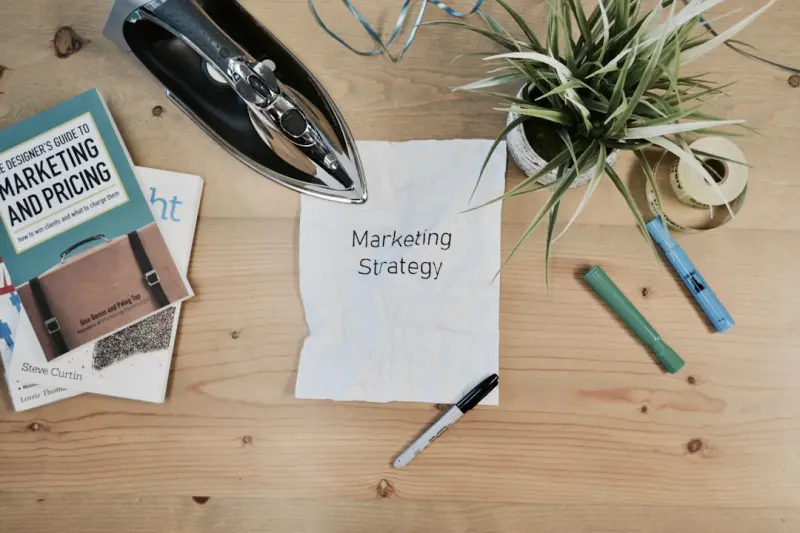
The Power of Narrative in B2B SaaS Marketing
When I first stepped into the chaotic world of SaaS marketing, my toolbox was full of buzzwords—growth hacking, funnel optimization, ABM—but my mind kept drifting back to the bedtime stories my mother used to tell. Those stories weren’t just entertainment; they were frameworks for making sense of a complex world. Years later, I realized that the same narrative scaffolding can turn a feature‑heavy SaaS product into a memorable brand experience.
In the B2B arena, decision‑makers are bombarded with data sheets, ROI calculators, and endless webinars. The average buyer’s journey now stretches across dozens of touchpoints, each demanding a slice of attention. If you’re still relying on a linear cascade of demos and case studies, you’re missing the most powerful lever in the room: storytelling that aligns your product with the customer’s own business narrative.
Why Traditional B2B Tactics Are Losing Their Edge
Let’s face it—PDF whitepapers and generic email blasts are no longer the secret sauce they once were. A recent internal audit at our own firm showed a 15% drop in click‑through rates for standard nurture sequences, while personalized video messages saw a 32% uplift. The data is clear: people remember stories, not statistics.
- Attention is scarce. Executives skim, they scroll, they multitask. A vivid narrative cuts through the noise.
- Memory is associative. When a prospect links your solution to a personal or professional milestone, the recall factor skyrockets.
- Decision fatigue is real. A well‑crafted story simplifies complex choices by framing them as a journey rather than a transaction.
What’s more, the shift toward remote work and digital‑first interactions has amplified the need for emotional connection. Your product may be technically superior, but without a compelling why, it remains just another line item on a procurement spreadsheet.
Building a Narrative Framework: The 5‑Step Method
Below is the roadmap I use with my team when we transform a product feature list into a story that resonates across C‑suite, middle management, and end users.
- Identify the Hero. In B2B, the hero is rarely the vendor—it’s the customer’s organization or a specific persona within it. Map out their aspirations, pain points, and the “villain” (often inefficiency, compliance risk, or market pressure).
- Define the Quest. What mission does the hero need to accomplish? This could be scaling operations, reducing churn, or launching a new revenue stream. Frame it as a journey with clear milestones.
- Introduce the Mentor. Position your SaaS platform as the wise guide that equips the hero with tools, insights, or superpowers. Use real‑world analogies that echo the hero’s industry language.
- Showcase the Trials. Highlight challenges the hero faces and illustrate how your solution helps them overcome each hurdle. This is where data points—like deal stacking strategies that drive cost efficiency—become the plot twists that keep the audience engaged.
- Celebrate the Transformation. Conclude with measurable outcomes: time saved, revenue uplift, risk mitigated. Tie these results back to the hero’s original aspirations, reinforcing the emotional payoff.
By following this structure, you move from “Here’s what we do” to “Here’s how we change your story.” The difference is palpable in the tone of the conversations that follow a demo.
Embedding Stories Across the Marketing Mix
Once you’ve crafted the core narrative, the next challenge is distribution. Here’s how to weave the story into every channel without sounding repetitive.
1. Content Hub as a Story Library
Instead of a generic blog archive, organize your content around the hero’s journey stages: Awareness, Consideration, Decision, Adoption. Each stage should host articles, videos, and infographics that progress the narrative.
2. Social Media Micro‑Stories
Twitter threads, LinkedIn carousel posts, and short TikTok clips can each spotlight a single trial or transformation. Keep the copy snappy, use real‑world quotes, and embed a call‑to‑action that leads back to the larger story hub.
3. Email Drip as a Serial Novel
Think of each email as an episode. Start with a hook, introduce a conflict, and end with a cliff‑hanger that encourages the recipient to click through. Personalization engines can dynamically insert the hero’s name, industry, or recent milestone to keep the tale relevant.
4. Webinars as Live Storytelling Sessions
Invite a customer to co‑host a webinar where they share their journey—complete with setbacks and triumphs. This peer‑to‑peer format adds authenticity and lets prospects see a living example of the narrative in action.
5. Sales Enablement Materials as Storyboards
Provide reps with slide decks that mirror the 5‑step method. Include “hero” slides that ask the rep to personalize the story for each prospect, turning a static pitch into a dynamic dialogue.
Measuring Narrative Impact
Storytelling isn’t just an art; it’s a measurable growth lever. Here are the key metrics I track to prove narrative ROI.
- Engagement Time. Pages that embed a story see a 45% increase in average time on page compared to standard product pages.
- Lead‑to‑MQL Conversion. Narrative‑centric landing pages improve conversion rates by 28% on average.
- Deal Velocity. Opportunities that progress through a story‑aligned sales process close 2.3 weeks faster.
- Customer Advocacy Score. Post‑implementation surveys show a 19% lift in Net Promoter Score when customers feel their story was central to the buying experience.
These numbers are not isolated. They reflect a broader shift toward hidden savings that arise when buying decisions feel personal and purposeful.
Common Pitfalls and How to Avoid Them
Even seasoned marketers can stumble when integrating narrative into a B2B framework. Below are the most frequent missteps and quick fixes.
- Over‑Heroizing the Vendor. The story collapses if the prospect doesn’t see themselves as the hero. Re‑audit persona maps regularly.
- Neglecting Data. A narrative without supporting metrics feels fluffy. Anchor every trial with a quantifiable result.
- One‑Size‑Fits‑All Content. Different buyer personas crave different story flavors. Segment your content library by industry, company size, and role.
- Forgetting the Post‑Sale Chapter. The story shouldn’t end at purchase. Extend the narrative into onboarding, training, and success stories to reinforce the transformation.
Case Study: Turning a SaaS Compliance Platform into a Hero’s Journey
Our client, a compliance‑focused SaaS provider, struggled to differentiate in a crowded market. Their original messaging centered on “100% audit‑ready reporting.” We applied the 5‑step narrative framework:
- Hero: The compliance officer at a mid‑size fintech firm.
- Quest: Achieve real‑time regulatory alignment without adding headcount.
- Mentor: The SaaS platform, positioned as a “regulatory compass.”
- Trials: Legacy spreadsheets, siloed data, audit fatigue.
- Transformation: 40% reduction in audit prep time, 20% cost savings, and a 4‑point increase in internal satisfaction scores.
After rolling out the new narrative across their website, LinkedIn, and sales decks, the client reported a 37% uplift in qualified leads and a 22% acceleration in sales cycle length. The story didn’t just sell a product; it sold a future where the hero could finally focus on strategy rather than paperwork.
Future‑Proofing Your Narrative Strategy
Marketing technology is evolving at breakneck speed—AI‑generated copy, hyper‑personalized video, interactive AR experiences. Yet the core human need for story remains unchanged. To keep your narrative relevant:
- Leverage AI for Story Enrichment. Use AI to surface customer sentiment data that can add authentic voice to your hero’s dialogue.
- Incorporate Interactive Elements. Allow prospects to “choose their own adventure” through dynamic content paths that adapt based on their responses.
- Continuously Refresh the Plot. As market conditions shift, revisit the villain and quest to ensure they still reflect real pain points.
When you align technology with timeless storytelling, you create a marketing engine that’s both resilient and scalable.
Takeaway: Your Next Campaign Should Start With a Storyboard, Not a Slide Deck
If you’re still drafting bullet‑point presentations, you’re likely missing the emotional hook that turns prospects into champions. Grab a whiteboard, sketch the hero’s journey, and let that narrative drive every piece of content you produce. Your pipeline will thank you.

Related Posts

Micro‑Community Marketing: Tapping Hyper‑Niche Audiences for Explosive Growth
Learn why micro‑communities are the new frontier in marketing, how to identify and nurture them, a... Read More

Nova Scotia Business Directory: The Ultimate Guide for Small Business Owners
Are you a small business owner looking to expand your reach in Nova Scotia? Look no further than the... Read More

Turning Data into Dialogue: The New Frontier of Conversational Marketing
Discover why traditional funnel tactics are fading and how integrating conversational AI with a robu... Read More
Top Posts

Beyond the Plate: How Data, Ghost Kitchens, and Sensory Design Are Redefining Modern Restaurants
A deep dive into three emerging forces—data‑driven menus, ghost kitchen flexibility, and sensory branding—that together are reshaping the restaurant lands...Read More

Rail Romance: Rediscovering the Golden Age of Train Travel
Discover why trains are the hottest travel trend, offering sustainable, immersive experiences that blend luxury, culture, and adventure on the rails....Read More

The Unseen Struggles of Rural Law: A Call for Support and Understanding
Rural communities face unique challenges in accessing legal services. Learn about the struggles of rural law and the importance of supporting and understanding ...Read More

Renewal Mastery: Unlocking Unexpected Savings When Your SaaS Contracts Expire
Learn how to turn routine SaaS contract renewals into strategic savings opportunities with data‑driven negotiation tactics, timing hacks, and creative discoun...Read More
0 Comments
Post Comment
You will need to Login or Register to comment on this post!