
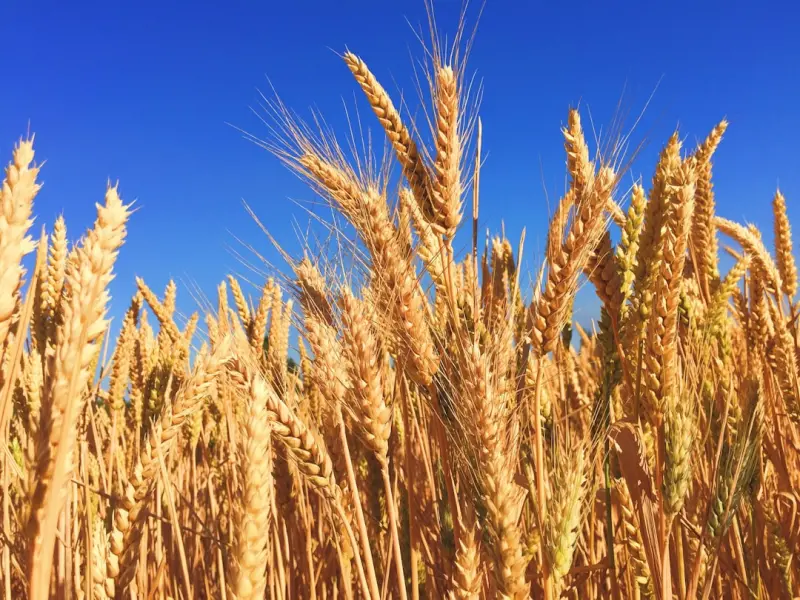
The Grain Revival: Why Heritage Varieties Are Stealing the Spotlight
Across farmers’ markets and boutique bakeries, an unexpected star is rising: heritage grains that once fed villages centuries ago. Ancient einkorn, resilient emmer, and nutrient‑dense teff are no longer confined to history books; they are being milled, roasted, and baked into the foods we love today. The appeal goes beyond nostalgia—these grains offer distinct textures, richer flavors, and a nutritional profile that modern monocultures often lack, prompting chefs and home cooks alike to rewrite recipes with a more authentic, earthy backbone.
From Field to Fork: Building Direct Partnerships with Smallholders
My first encounter with heritage grain happened on a crisp autumn morning when I visited a family‑run farm tucked behind rolling hills. The farmer greeted me with a sack of freshly threshed spelt, explaining how a handful of dedicated growers keep these crops alive by swapping seeds across generations. This personal connection transformed my pantry, turning a simple loaf into a story of stewardship, climate resilience, and community support that I now share at every dinner table.
Historical Roots That Nourish Modern Palates
Long before industrial agriculture standardized wheat, regional varieties adapted to local soils, weather patterns, and cultural tastes. Einkorn, for example, thrived in the rugged terrains of the Fertile Crescent, while teff became a staple in Ethiopian highlands due to its drought‑tolerant nature. By re‑introducing these grains, we are not merely adding novelty; we are restoring biodiversity that once fortified entire ecosystems, allowing modern diets to benefit from the same genetic robustness that sustained ancient societies.
Nutritional Upside and Culinary Possibilities
Research shows that many heritage grains contain higher levels of protein, fiber, and micronutrients such as iron, magnesium, and zinc compared to their modern counterparts. This translates into baked goods that stay moist longer, crackers that crunch with depth, and porridges that keep you satiated well into the afternoon. Chefs are experimenting with these attributes, pairing the nutty notes of emmer with smoked cheeses or using the subtle sweetness of kamut to balance bitter greens, thereby expanding the flavor vocabulary of contemporary cuisine.
Overcoming Sourcing Hurdles: A Collaborative Approach
One of the biggest obstacles to mainstream adoption is reliable supply. Small farms often produce limited quantities, making it difficult for large retailers to stock consistently. To bridge this gap, cooperatives have emerged, pooling resources and sharing equipment so that growers can meet larger orders without sacrificing quality. By supporting these networks, consumers help create a more resilient supply chain that can withstand market fluctuations while keeping the grains’ unique character intact. For those curious about how to start, DIY preservation techniques offer a practical entry point into extending the shelf life of freshly milled flour.
Restaurant Playbooks: Integrating Heritage Grains Into Menus
Forward‑thinking eateries are turning heritage grains into headline dishes rather than side notes. A popular downtown bistro now serves a spelt‑based gnocchi drizzled with sage‑infused butter, while a coastal café offers teff‑crusted fish tacos that deliver a satisfying crunch and a subtle, nutty undertone. These chefs view the grains as an opportunity to differentiate their menus, drawing diners who crave authenticity and a tangible connection to the food’s origin.
Home Baking Revolution: Crafting Artisan Loaves With Ancient Flours
Back in my kitchen, I’ve swapped out all‑purpose flour for a blend of einkorn and rye, discovering that the dough behaves differently—softer, more extensible, and forgiving of slight over‑mixing. The result is a loaf with a caramelized crust, a crumb that sings with speckles of ancient grain, and a flavor profile that feels both rustic and refined. For newcomers, starting with a simple sourdough starter made from heritage flour can demystify the process; the natural yeasts adapt quickly, creating a tangy aroma that elevates any sandwich.
Flavor Pairings That Celebrate Tradition and Innovation
When experimenting with these grains, I’ve found that their inherent flavors pair beautifully with both classic and contemporary ingredients. The buttery notes of spelt harmonize with roasted root vegetables, while the earthy depth of emmer shines alongside fermented miso glazes. Even sweet applications work: teff flour lends a delicate, honeyed sweetness to gluten‑free brownies, and kamut can be ground into a fine meal for crisp, golden pancakes that hold syrup without becoming soggy.
Why You Should Join the Movement
Choosing heritage grains is more than a culinary trend; it’s an act of ecological stewardship, cultural preservation, and personal empowerment. By supporting small farms, experimenting in the kitchen, and sharing discoveries with friends, you become part of a growing community that values flavor, health, and sustainability in equal measure. So the next time you walk past the generic wheat aisle, pause, seek out the ancient varieties, and let your meals tell a richer, more resilient story.

Related Posts

Taco Fest Returns to Toronto for its Ninth Year: A Muy Caliente Culinary Celebration Awaits
Toronto's culinary landscape is about to get a whole lot spicier as Taco Fest, the city's beloved ce... Read More

Unlocking the Secrets of Perfect Cold Brew at Home
Learn the science, steps, and creative twists behind perfect cold brew coffee, from basic brewing to... Read More

The Flavors of Community: How Local Food Can Bring People Together
Local food systems have the power to bring people together and promote community development. By sup... Read More
Top Posts

From Deck to Desk: On‑Board Skill Workshops Are Changing Travel
Travelers now seek growth on the go. This article explores the rise of on‑board skill workshops—from sushi making to coding bootcamps—showing how they enr...Read More

Data‑Driven Kitchen: Turning Numbers into Nostalgic Flavors
Learn how independent eateries can blend data analytics with culinary intuition to cut waste, optimize staffing, and craft profitable menus without losing their...Read More

Mastering Visual Storytelling for Data‑First B2B Marketing
Learn why visual storytelling is essential for data‑driven B2B marketers, how to craft compelling narratives, and which tools and metrics can turn raw numbers...Read More

Unlocking Food Synergy: How Smart Ingredient Pairings Supercharge Your Health
Explore how strategic food pairings enhance nutrient absorption, improve immunity, and boost energy. Learn simple combos, a synergy‑focused meal plan, and fut...Read More
0 Comments
Post Comment
You will need to Login or Register to comment on this post!